Recycled Textile Clothing Guide

All Categories

recycled textile clothing

Recycled textile clothing represents a sustainable fashion revolution that transforms discarded fabrics into wearable garments. This innovative category of recycled textile clothing addresses the growing environmental concerns surrounding fast fashion by giving new life to materials that would otherwise end up in landfills. The production of recycled textile clothing involves collecting used garments, sorting them by fiber composition, and processing them through advanced textile technologies to create high-quality fabrics suitable for new clothing lines. The main function of recycled textile clothing is to provide environmentally conscious consumers with fashionable, durable alternatives to conventionally manufactured apparel. Recycled textile clothing utilizes cutting-edge technologies including fiber separation systems, mechanical and chemical processing methods, and quality control mechanisms that ensure the final products meet industry standards. These technological features enable manufacturers to produce recycled textile clothing that performs comparably to virgin fabric garments while significantly reducing environmental impact. Applications of recycled textile clothing span across numerous market segments, from casual everyday wear to professional workwear and athletic apparel. Retailers, fashion brands, and eco-conscious consumers increasingly seek recycled textile clothing options as part of their sustainable lifestyle choices. The versatility of recycled textile clothing makes it suitable for various demographics, including environmentally aware shoppers, budget-conscious consumers, and fashion-forward individuals who prioritize sustainability without compromising on style or quality.
Popular Products

Recycled textile clothing delivers substantial practical benefits that appeal to today's environmentally minded consumers. The primary advantage lies in environmental impact reduction. By choosing recycled textile clothing, customers directly support waste reduction initiatives, diverting tons of textile waste from landfills annually. This makes recycled textile clothing an intelligent choice for those committed to sustainable consumption. Operational benefits make recycled textile clothing increasingly attractive to both retailers and consumers. Manufacturing recycled textile clothing requires significantly less water, energy, and chemical processing compared to producing virgin textiles, resulting in lower production costs that often translate into competitive pricing. Quality standards for recycled textile clothing have improved dramatically, ensuring durability and longevity that justify the purchase decision. Many recycled textile clothing items offer excellent color retention and fabric integrity comparable to new garments. Application suitability represents another compelling advantage of recycled textile clothing. These garments work exceptionally well for everyday wear, professional environments, casual outings, and athletic activities. Recycled textile clothing adapts perfectly to various climate conditions and personal style preferences without sacrificing comfort or aesthetics. The decision-useful context for recycled textile clothing includes contributing to circular economy principles, supporting responsible manufacturing practices, and making a measurable difference in reducing global textile waste. Customers purchasing recycled textile clothing gain the satisfaction of supporting sustainable brand initiatives while enjoying quality apparel. This combination of environmental responsibility, economic value, and practical wearability positions recycled textile clothing as a superior alternative to conventional clothing options, offering genuine benefits for conscious consumers seeking meaningful lifestyle changes.

Practical Tips

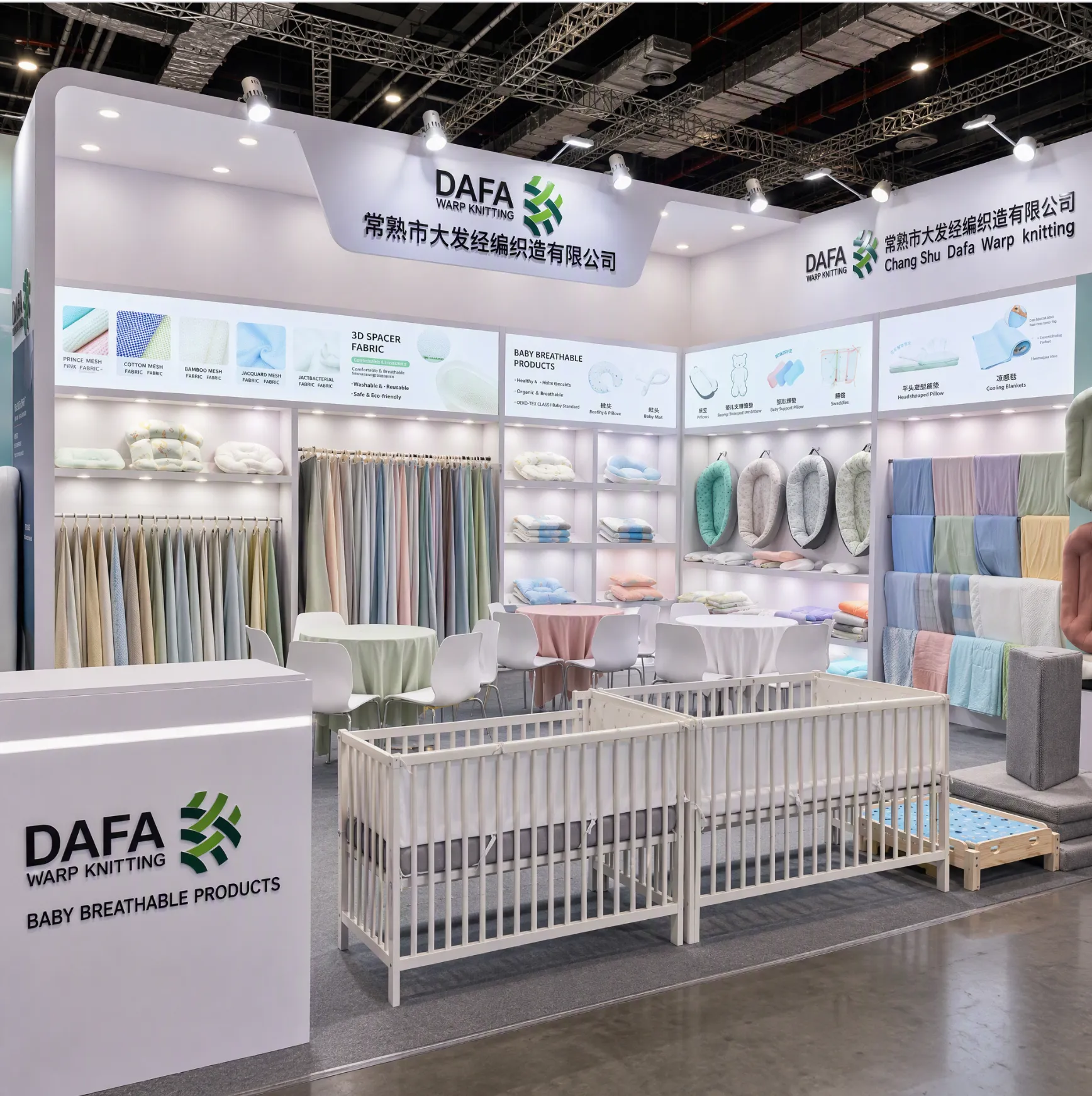
Changshu Dafa Warp Knitting Successfully Showcases Breathable Baby Products at CBME 2026

10

Sep

Changshu Dafa Warp Knitting Successfully Showcases Breathable Baby Products at CBME 2026

View More
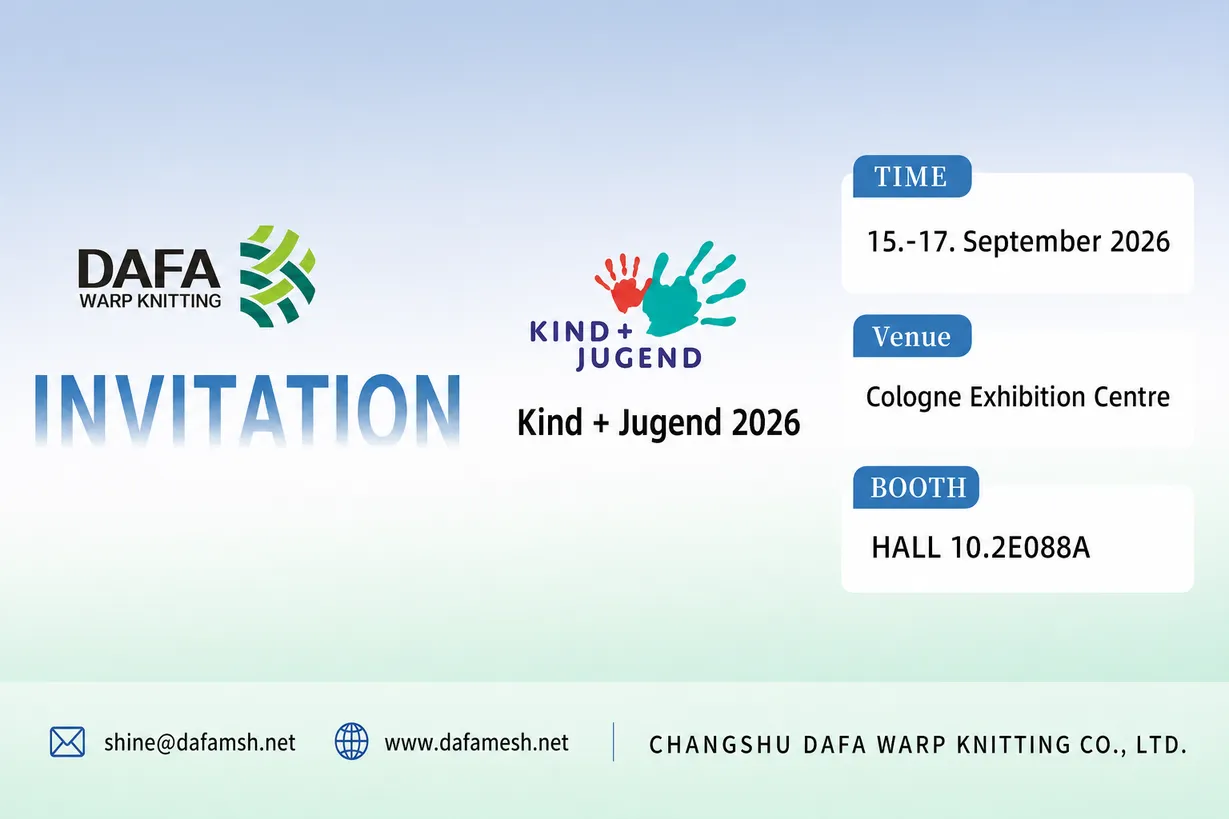
Changshu Dafa Warp Knitting to Showcase 3D Spacer Air Mesh Baby Sleep Collection at Kind + Jugend 2026

28

Sep

Changshu Dafa Warp Knitting to Showcase 3D Spacer Air Mesh Baby Sleep Collection at Kind + Jugend 2026

View More
Changshu Dafa Warp Knitting to Showcase 3D Spacer Fabric Sleep Solutions at the 31st China International Furniture Expo

10

Sep

Changshu Dafa Warp Knitting to Showcase 3D Spacer Fabric Sleep Solutions at the 31st China International Furniture Expo

View More

Get a Free Quote

Our representative will contact you soon.
Name
Company Name
Email
Mobile
Message
0/1000

recycled textile clothing

Environmental Impact Reduction

Environmental Impact Reduction

Recycled textile clothing stands at the forefront of sustainable fashion innovation by transforming waste into value. Every piece of recycled textile clothing manufactured diverts approximately four to five pounds of textile waste from landfills, contributing significantly to environmental preservation. The production of recycled textile clothing consumes approximately ninety percent less water than conventional garment manufacturing processes. By selecting recycled textile clothing, consumers actively participate in reducing carbon emissions associated with textile production and transportation. This environmental advantage of recycled textile clothing extends beyond individual purchases, creating industry-wide momentum toward sustainable practices. The cumulative impact of widespread recycled textile clothing adoption demonstrates how consumer choices drive meaningful environmental change. Brands producing recycled textile clothing often achieve carbon-neutral certifications and reduce chemical pollution in waterways. Investing in recycled textile clothing represents a tangible commitment to planetary health without compromising personal style or comfort standards.
Superior Quality and Durability

Superior Quality and Durability

Modern recycled textile clothing demonstrates exceptional quality that rivals traditional garments while maintaining environmental benefits. Advanced sorting and processing technologies ensure that recycled textile clothing maintains structural integrity and aesthetic appeal through multiple wash cycles and extended wear. The durability of recycled textile clothing means customers enjoy longer-lasting garments, reducing replacement frequency and overall consumption. Quality control measures implemented during recycled textile clothing production guarantee consistent standards across batch production. Consumers report that recycled textile clothing withstands regular wear, maintains color vibrancy, and resists pilling and fabric degradation better than expected. The investment in recycled textile clothing pays dividends through extended garment longevity and reliable performance. Premium fiber blending techniques enhance recycled textile clothing strength and comfort, creating products that exceed industry standards. This quality commitment makes recycled textile clothing a smart economic choice, delivering superior value compared to cheaply manufactured conventional alternatives.
Circular Economy Support

Circular Economy Support

Recycled textile clothing embodies circular economy principles by closing the loop on material waste and creating sustainable production cycles. Supporting recycled textile clothing brands strengthens systems where garments become raw materials for future products rather than environmental burdens. The circular model of recycled textile clothing reduces resource extraction demands, preserving natural ecosystems and reducing mining impacts associated with virgin material production. Brands specializing in recycled textile clothing encourage consumers to return used garments for reprocessing, creating genuine closed-loop systems. This circular approach to recycled textile clothing manufacturing challenges traditional linear consumption patterns and demonstrates viable alternatives. Every purchase of recycled textile clothing signals market demand for sustainable practices, influencing industry-wide adoption of responsible production methods. The transparency provided by recycled textile clothing manufacturers regarding material sourcing and transformation builds consumer confidence. Choosing recycled textile clothing connects individual purchases to broader sustainability movements, creating collective impact toward environmental restoration and responsible resource management.

Get a Free Quote

Our representative will contact you soon.
Name
Company Name
Email
Mobile
Message
0/1000