 EN
EN

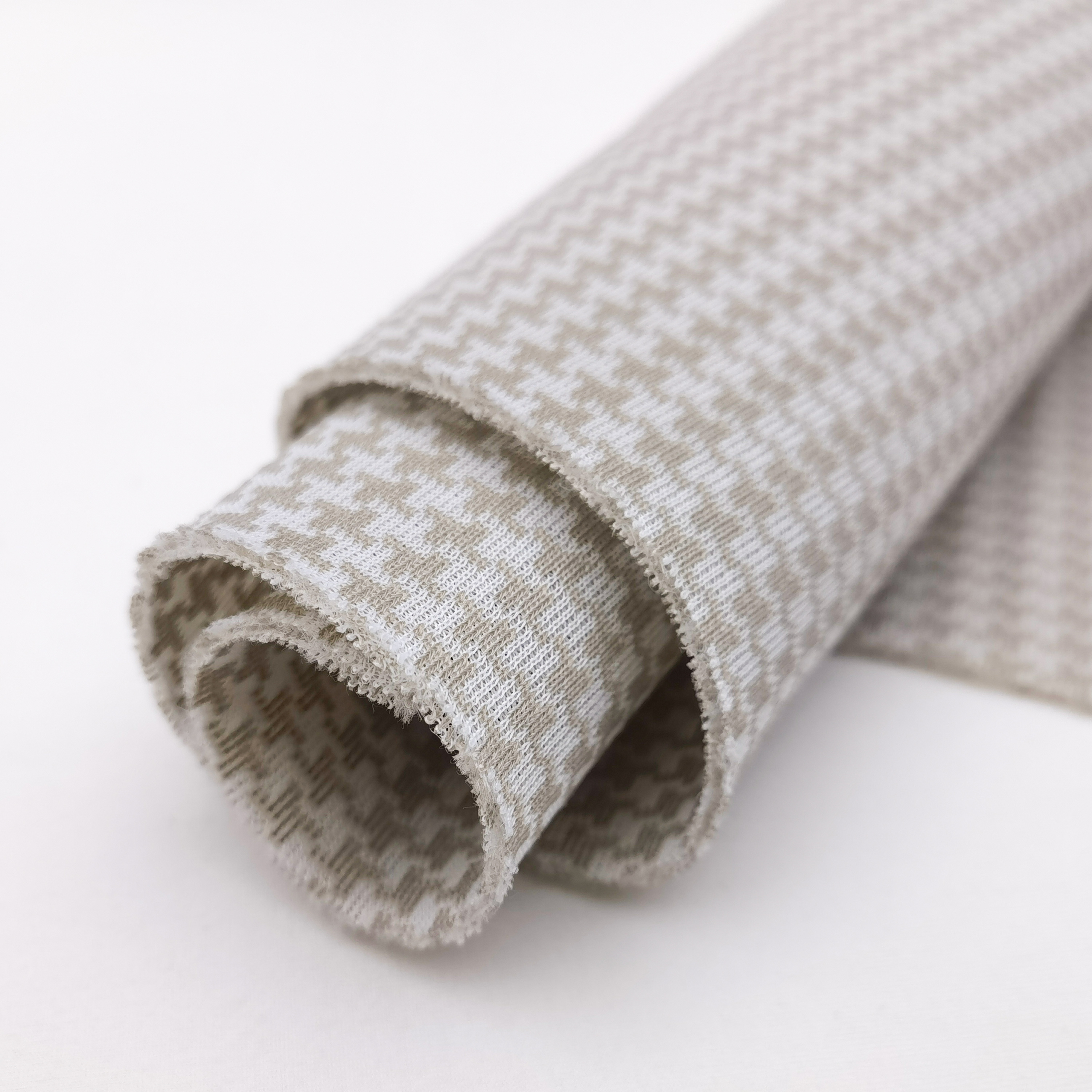
Houndstooth Jacquard 3D Sandwich Mesh - Durable and Stylish 100% Polyester, Double Colour, 400 gsm, 2 - 3 mm, 220 cm, GRS / OEKO-TEX STANDARD 100
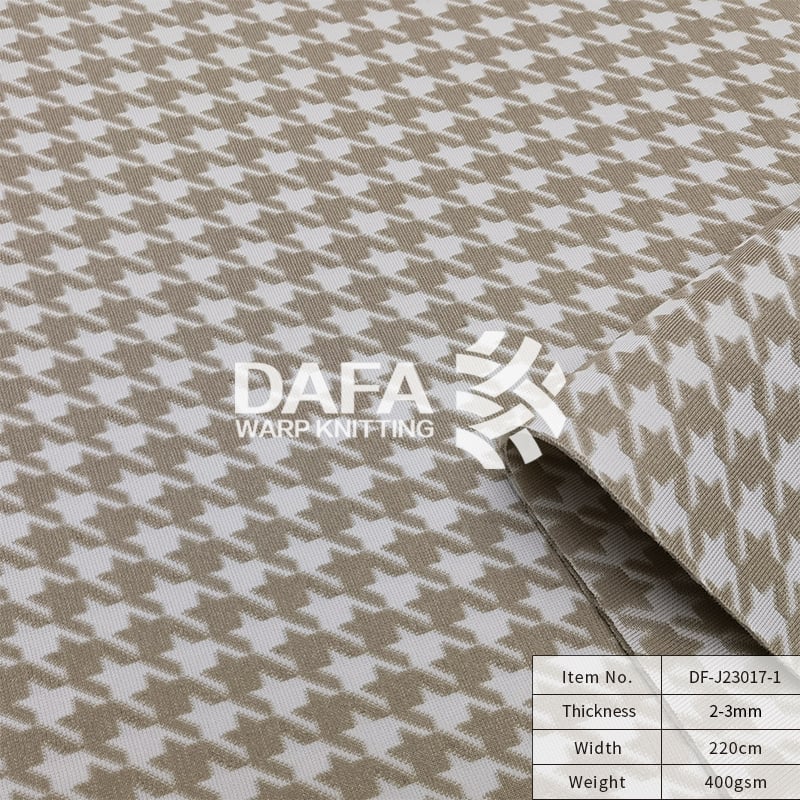
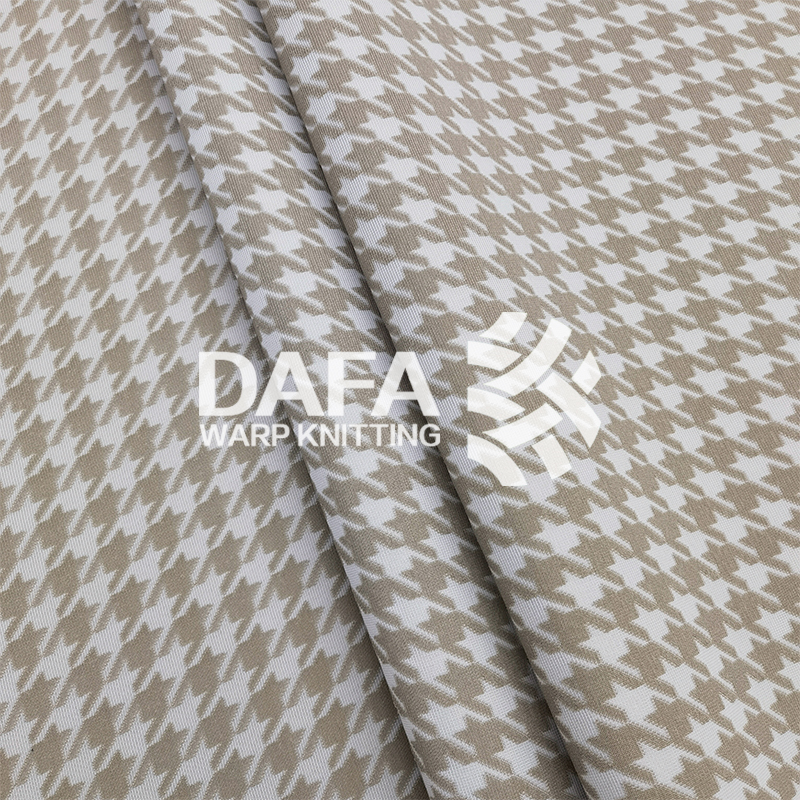
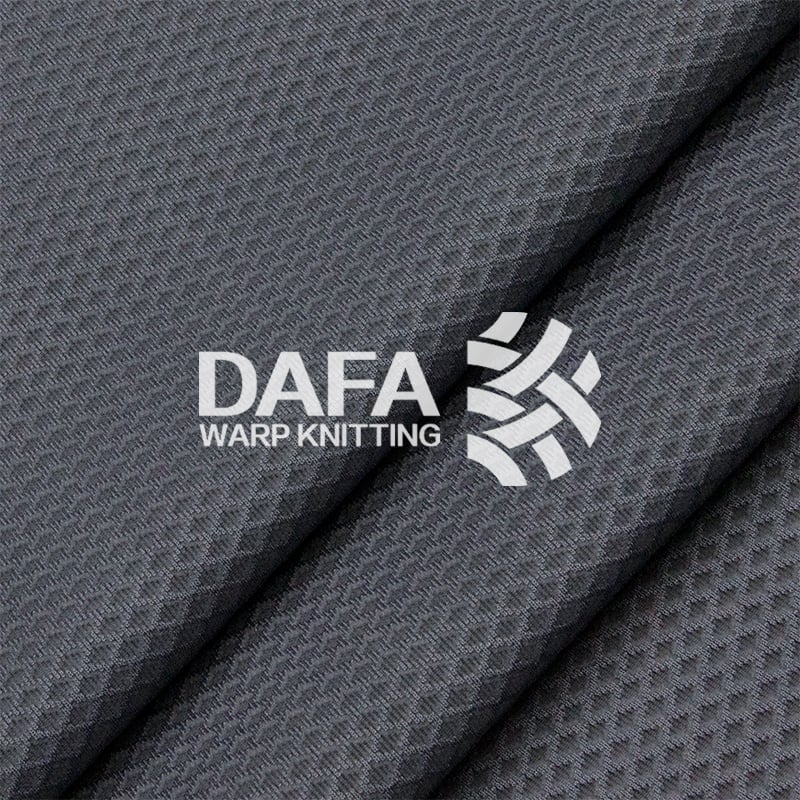
This product is a 100% polyester jacquard mesh fabric, featuring a timeless houndstooth pattern that is intricately woven into the material through advanced jacquard techniques. The fabric is constructed as a 3D sandwich structure, which provides exceptional breathability, cushioning, and dimensional stability. What distinguishes this material is its double-color effect—the pattern is rendered in two distinct tones, creating a striking visual contrast that adds depth and sophistication to the surface design. This dual-tone aesthetic, combined with the classic houndstooth motif, offers a stylish and contemporary look suitable for a variety of applications. Beyond its visual appeal, the fabric is engineered for durability, offering excellent resistance to wear, tear, and deformation, ensuring long-lasting performance even under frequent use. Whether used for upholstery, automotive interiors, bag manufacturing, or home textile accessories, this fabric delivers the perfect balance of aesthetic refinement and robust functionality.
- Overview
- our company
- Recommended Products
- Upholstery and seating, where a patterned, durable face is wanted.
- Bags and luggage, where the motif and the 400 gsm body both count.
- Bedding and home textile accessories - the use recorded in the attributes.
- Automotive interior trim, as the description suggests.
1. Two Certificates, Two Different Jobs
The certification field on this page carries two names, and they answer different questions.
GRS - the Global Recycled Standard - is about where the material came from and how it was handled. It is issued through Textile Exchange, requires a minimum recycled content of 20%, and the GRS logo itself may only be used from 50%; it also brings chain-of-custody records at every production stage, plus additional social, environmental and chemical requirements. In practice it is the certificate a brand reaches for when a recycled-content claim has to be defended.
OEKO-TEX STANDARD 100 answers a different question: not where the fibre came from but what is in the cloth, recording the fabric as tested against a list of restricted substances.
One point is worth raising early. The listing names GRS but does not state a recycled percentage, and that number is what decides whether a recycled claim can be made and how strongly. Tell us the wording your packaging will carry and we will confirm the content figure and the documents behind it.
2. Houndstooth, Knitted Rather Than Woven
Houndstooth is a suiting motif - a broken check built from two tones that interlock along the edge of every shape. It reached textiles through woven wool, which is why it reads as tailoring, heritage and quiet premium rather than as decoration.
Producing it on a warp-knitted jacquard means the motif is formed by needle selection instead of by interlacing warp and weft. The broken-check geometry survives, but it now sits on a cloth that breathes, carries 2-3 mm of sandwich height and moves quite differently from a woven suiting.
For a designer the useful part is that combination: a heritage pattern carried on a technical mesh, rather than either one alone.
3. Here the Colour Is the Pattern
On some jacquards the motif comes from density and colour is incidental. Houndstooth is the reverse - the design exists only because two tones sit beside each other, so the colour is load-bearing.
That changes what approval involves. There is no single shade to match: both tones have to be approved, and they have to hold their contrast at the scale the motif is knitted. Two colours set too close in value collapse a houndstooth into flat texture. Send the pairing you have in mind, or tell us the contrast you want, and we will knit it to that.
4. 400 gsm: the Substance Behind the Claim
Weight here is 400 gsm at 2-3 mm, which is a substantial build for a decorative mesh - clearly denser than a light apparel jacquard. The extra weight is what supports the durability claim in the title: more material in the two faces and more filament in the sandwich, so the cloth holds a panel shape and resists the flattening that comes with repeated loading.
It also settles where the article belongs. At this weight it is an upholstery, bag and bedding fabric rather than a garment cloth, and it should be specified and costed as one.
5. Wear, Tear and Deformation
The description lists three kinds of resistance, and they deserve separating because each one fails differently.
Wear is surface loss - abrasion from people sitting, sliding and brushing past. Tear is what happens after a split starts: on a patterned knit it propagates in a direction, so seams and fixings are where to watch for it. Deformation is a change of shape, where a panel sags, stretches or loses its sandwich height under sustained load.
For seating and bags the third is usually the one that decides whether a product still looks right after a year.
6. Technical Data
Item |
Value |
Model Number |
DF-J23017-1 |
Material |
100% Polyester |
Construction |
Warp knitted jacquard 3D sandwich mesh - houndstooth motif knitted in two tones |
Technique |
Knitted (warp knitted) |
Weight |
400 gsm |
Thickness |
2 - 3 mm |
Width |
220 cm |
Colour |
Two-tone; beige and white shown - both tones set to your pairing |
Listed Features |
Breathable, eco-friendly |
Listed Certification |
GRS / OEKO-TEX STANDARD 100 |
Listed Use |
Home textile - bedding |
7. Where It Is Used
8. The Manufacturing Behind It
Two-tone jacquard knitting is a control problem as much as a design one: two yarn paths have to feed the needles and stay in register across a 220 cm width, metre after metre. That is one reason knitting, dyeing, finishing and sewing sit inside a single group here, as they have since 1993, across a frame base of more than 250 double needle bar machines - over eighty of them KARL MAYER - with capacity in the region of 900 tons a month.
9. Ordering
DF-J23017-1 is made to order. Send the two-colour pairing, the weight you need and the panel width, and tell us which recycled-content wording you plan to print. Quantity, payment and packing are covered under Ordering & Terms.
10. Buyer Questions
Can we use our own two-tone pairing?
Yes. Both tones are part of the design, so send the pairing or a swatch and we will knit a strike-off for approval. Contrast matters more than the individual shades: two tones set too close will read as flat texture.
Will the motif distort when the fabric is stretched over a shape?
A knitted jacquard holds its geometry better than a printed one, because the design is the structure rather than a layer on top. Any knit still moves under tension, though, so for curved panels confirm the stretch direction with us before cutting.
11. Contact
Send the two-tone pairing, the weight and panel width you need, and the certification wording your market requires. We will come back with a costing, a strike-off and the technical data.
Changshu Dafa Warp Knitting Co., Ltd.
No. 18 Longteng Road, Changshu City, Suzhou City, Jiangsu Province, China
Tel: +86-0512 52669012
E-mail: [email protected]t