3d cloth material
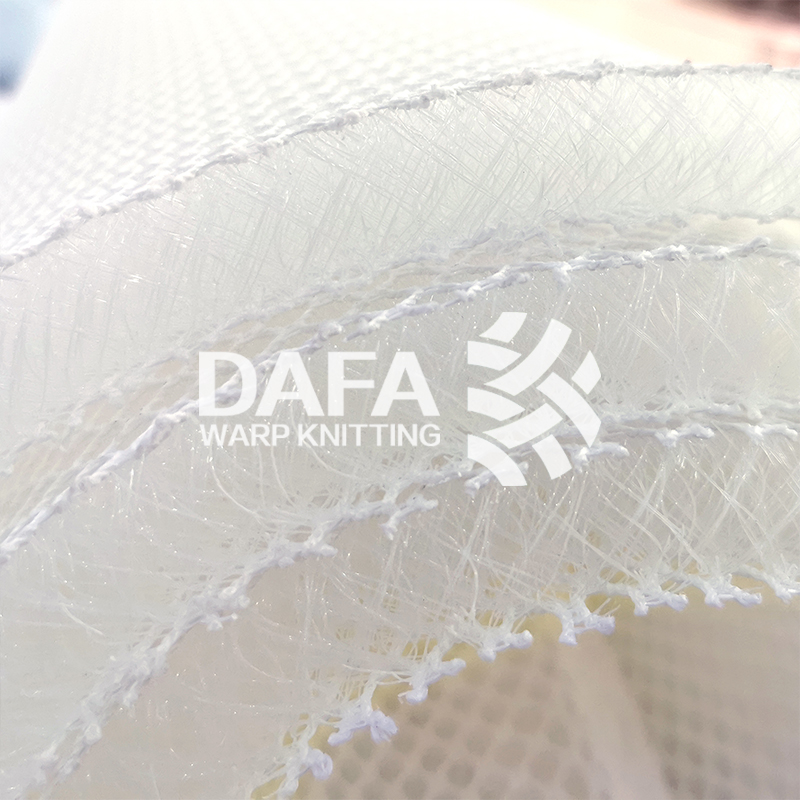
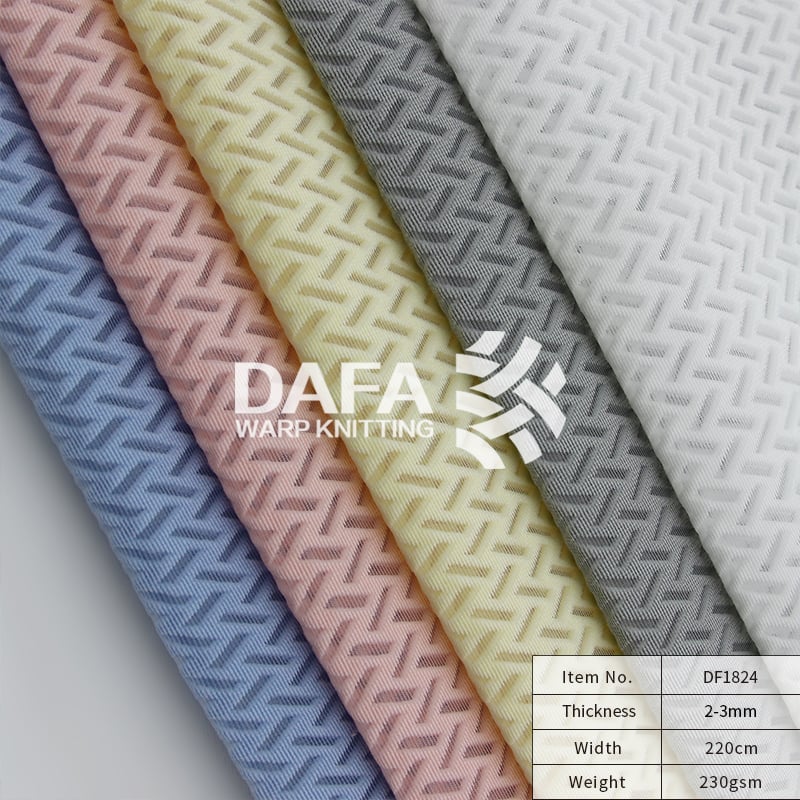
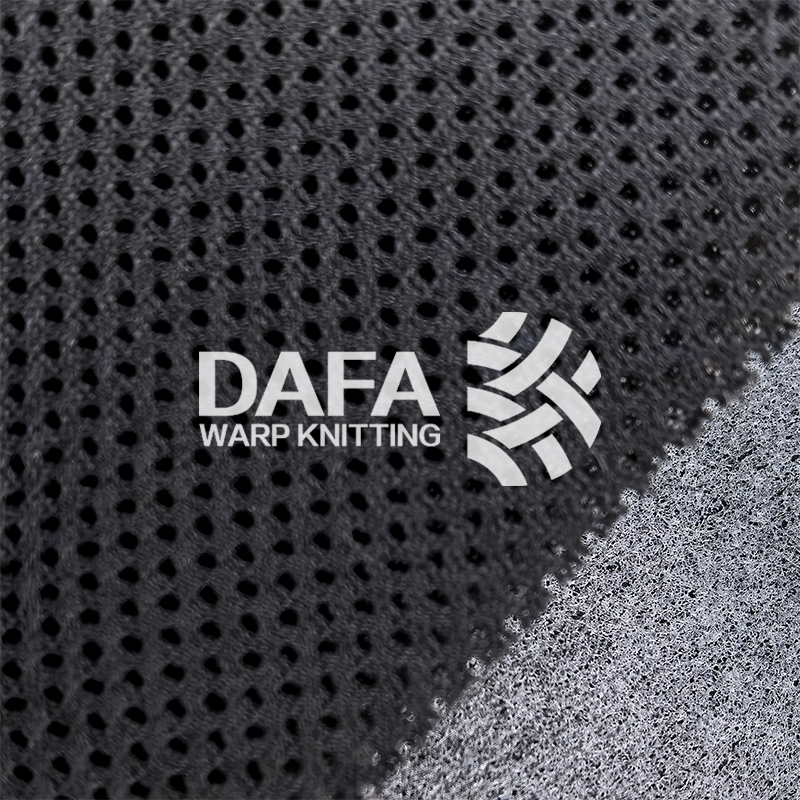
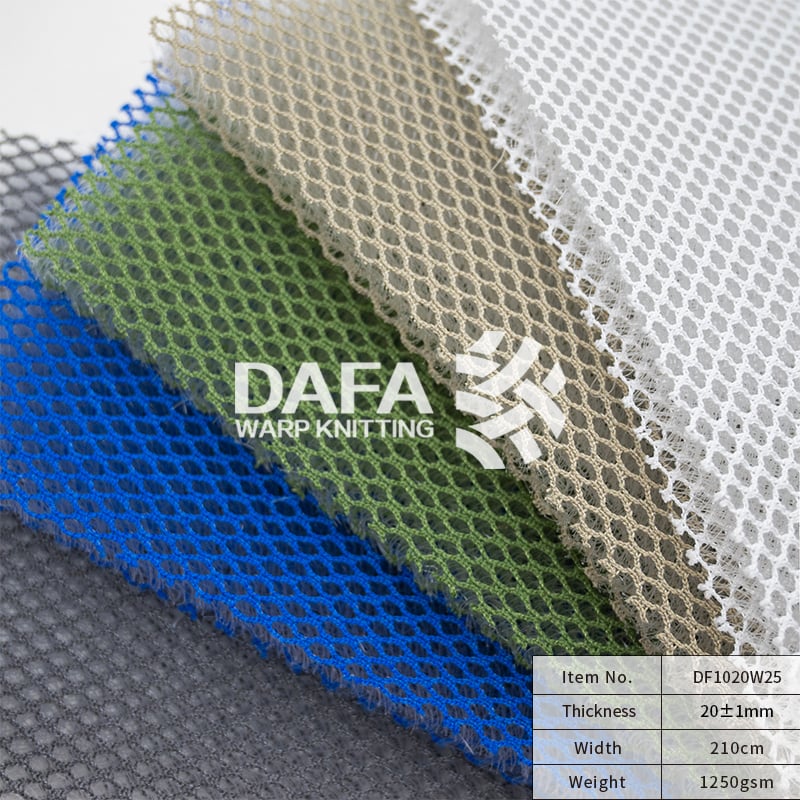
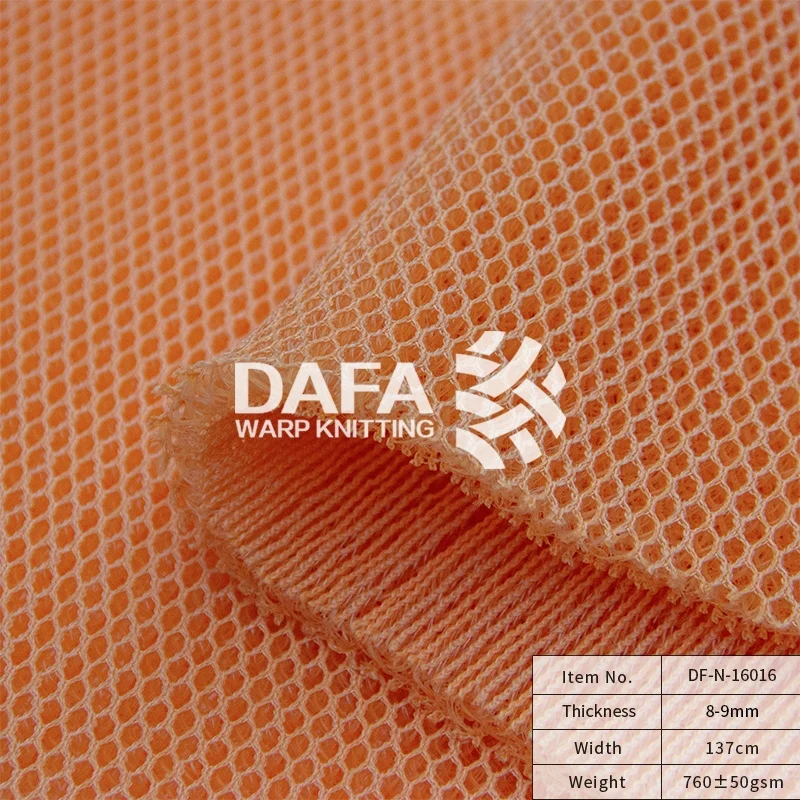
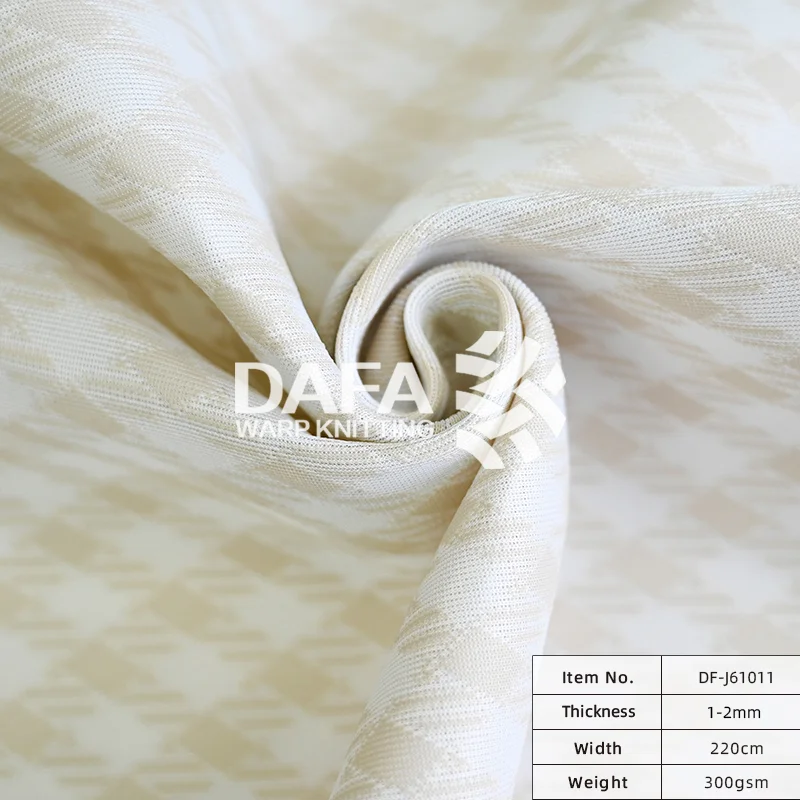
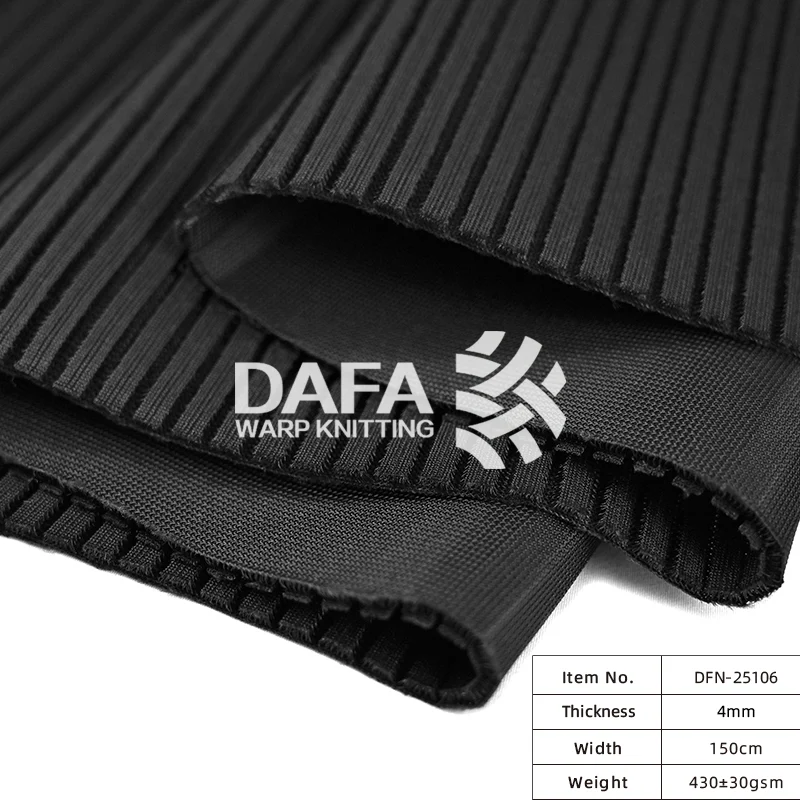
3D cloth material represents an innovative advancement in textile engineering, offering a revolutionary approach to fabric construction that differs significantly from traditional woven or knitted textiles. This three-dimensional fabric technology creates materials with enhanced structural integrity, improved breathability, and superior durability compared to conventional cloth options.
The main functions of 3D cloth material include providing exceptional comfort through optimized air circulation, delivering enhanced moisture management properties, and offering superior strength-to-weight ratios. The technological features incorporate advanced manufacturing processes that create interconnected fiber networks throughout the entire fabric depth, rather than just on the surface. This architectural approach enables 3D cloth material to maintain consistent performance across multiple layers.
Applications for 3D cloth material span diverse industries, including sportswear production, automotive interiors, medical device manufacturing, and industrial protective equipment. The automotive sector particularly benefits from 3D cloth material's lightweight properties combined with crash-impact resistance. In medical applications, 3D cloth material provides biocompatible solutions for wound care and surgical implants. The sportswear industry leverages 3D cloth material's moisture-wicking capabilities and breathability for high-performance athletic wear.
Manufacturers appreciate 3D cloth material for its consistency and reproducibility across production runs. The three-dimensional construction method ensures minimal defects and predictable performance characteristics. Whether used in compression garments, protective gear, or specialized equipment, 3D cloth material delivers reliable results that meet stringent industry standards and customer expectations consistently.




 EN
EN