Recycled Cotton Fabric: Sustainable Textiles

All Categories

recycled cotton fabric

Recycled cotton fabric represents a sustainable textile solution that transforms discarded cotton materials into high-quality, functional fabrics. This eco-friendly material undergoes a sophisticated process where used cotton garments and textile waste are collected, sorted, and mechanically or chemically processed to produce new fibers. The resulting recycled cotton fabric maintains excellent durability while significantly reducing environmental impact compared to virgin cotton production. The main functions of recycled cotton fabric include providing comfortable wear for apparel, offering reliable performance in home textiles, and delivering versatile applications across multiple industries. Technologically, recycled cotton fabric benefits from advanced fiber regeneration techniques that preserve the natural properties inherent to cotton while minimizing water consumption and chemical usage. The processing methods employed ensure that recycled cotton fabric meets rigorous quality standards for softness, breathability, and strength. Applications for recycled cotton fabric span numerous sectors, including fashion design, home furnishings, industrial textiles, and sustainable clothing lines. Retailers and manufacturers increasingly choose recycled cotton fabric for t-shirts, jeans, bedding, towels, and eco-conscious product ranges. The versatility of recycled cotton fabric makes it suitable for both casual and professional applications, enabling designers and producers to create quality products while supporting environmental sustainability initiatives and reducing textile waste in landfills worldwide.
New Product Recommendations

Recycled cotton fabric delivers substantial value to environmentally conscious consumers and businesses seeking sustainable alternatives. The primary buyer advantage lies in acquiring quality textiles that reduce personal environmental footprint without compromising performance or comfort standards. When you choose recycled cotton fabric, you actively participate in circular economy principles and support waste reduction efforts in the fashion industry. Operational benefits make recycled cotton fabric an excellent choice for manufacturers and retailers. Production requires significantly less water compared to conventional cotton farming, reducing operational costs while meeting sustainability certifications. Processing recycled cotton fabric consumes fewer chemicals and generates minimal pollution, streamlining manufacturing workflows and improving workplace safety. These efficiencies translate to competitive pricing without sacrificing quality standards. Application suitability represents another crucial advantage of recycled cotton fabric. This versatile material performs exceptionally well in apparel production, home textiles, accessories, and specialty garments. Whether creating everyday clothing, premium bedding, or durable workwear, recycled cotton fabric adapts to diverse design requirements and consumer preferences. The fabric maintains consistent quality across batches, ensuring reliable results for bulk production needs. From a decision-useful perspective, selecting recycled cotton fabric demonstrates corporate responsibility and market awareness. Consumers increasingly prefer brands offering sustainable options, and featuring recycled cotton fabric in product lines attracts environmentally aware customers. This strategic advantage strengthens brand reputation, increases customer loyalty, and differentiates your products in competitive markets. Additionally, recycled cotton fabric often qualifies for eco-certifications and sustainability labels, providing credible marketing advantages and justifying premium pricing when appropriate for your target market.

Tips And Tricks

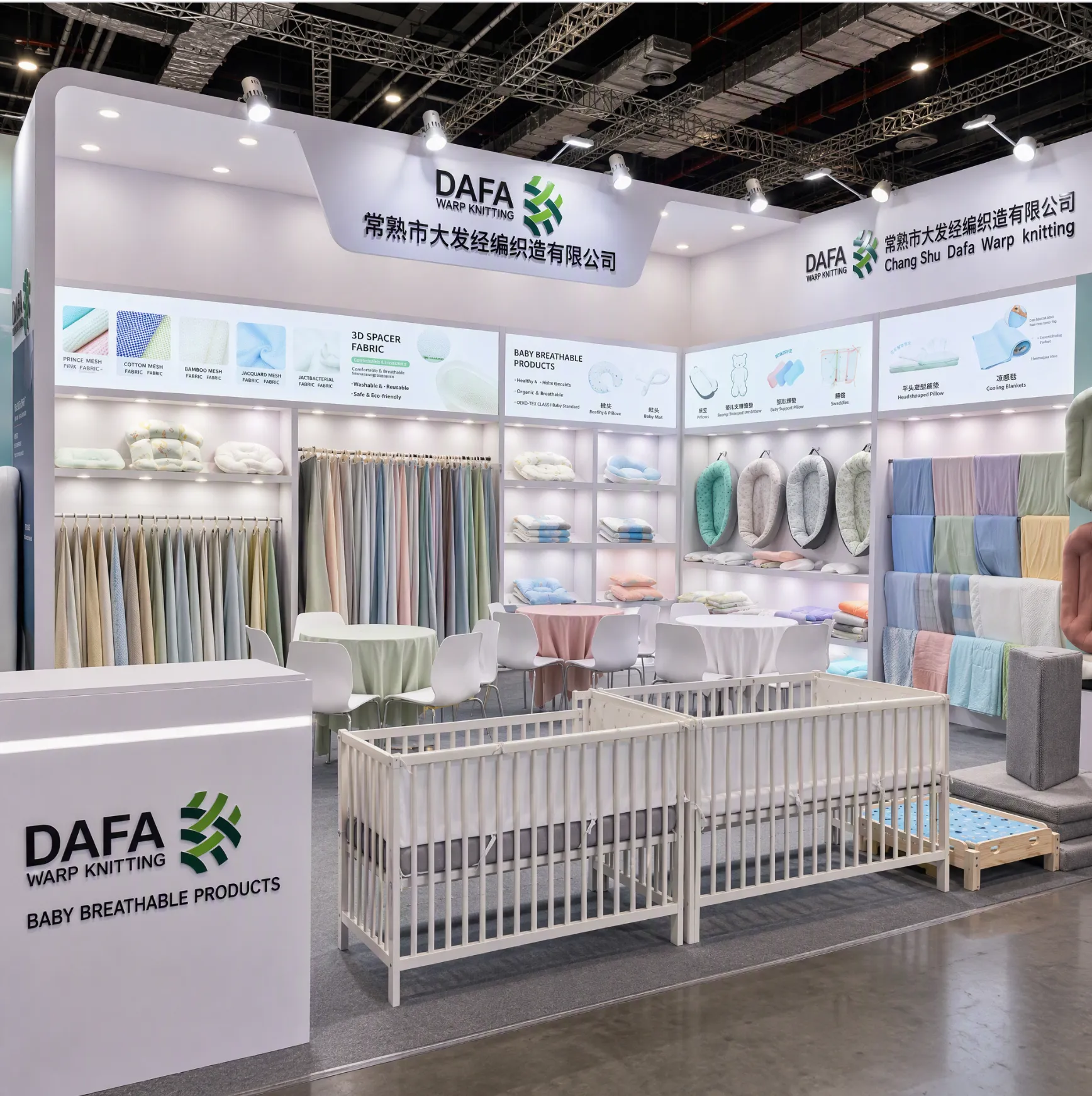
Changshu Dafa Warp Knitting Successfully Showcases Breathable Baby Products at CBME 2026

10

Sep

Changshu Dafa Warp Knitting Successfully Showcases Breathable Baby Products at CBME 2026

View More
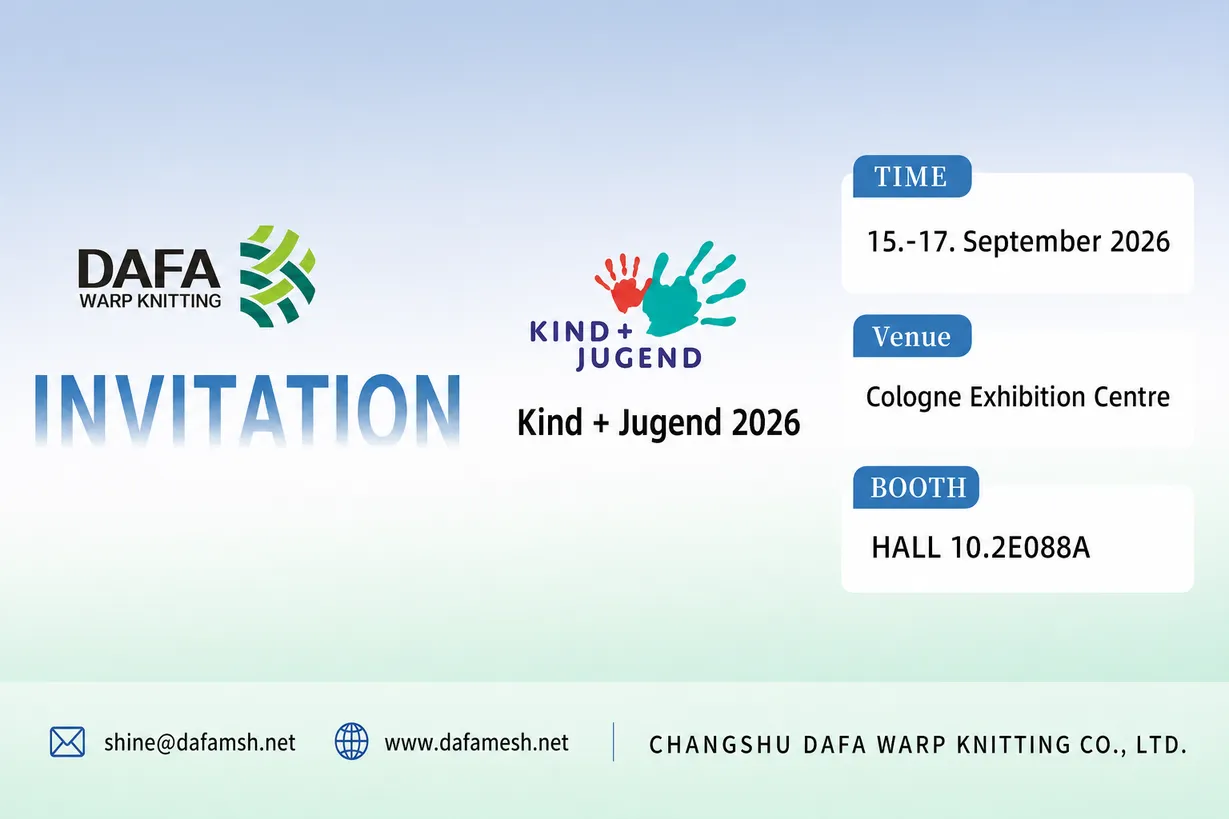
Changshu Dafa Warp Knitting to Showcase 3D Spacer Air Mesh Baby Sleep Collection at Kind + Jugend 2026

28

Sep

Changshu Dafa Warp Knitting to Showcase 3D Spacer Air Mesh Baby Sleep Collection at Kind + Jugend 2026

View More
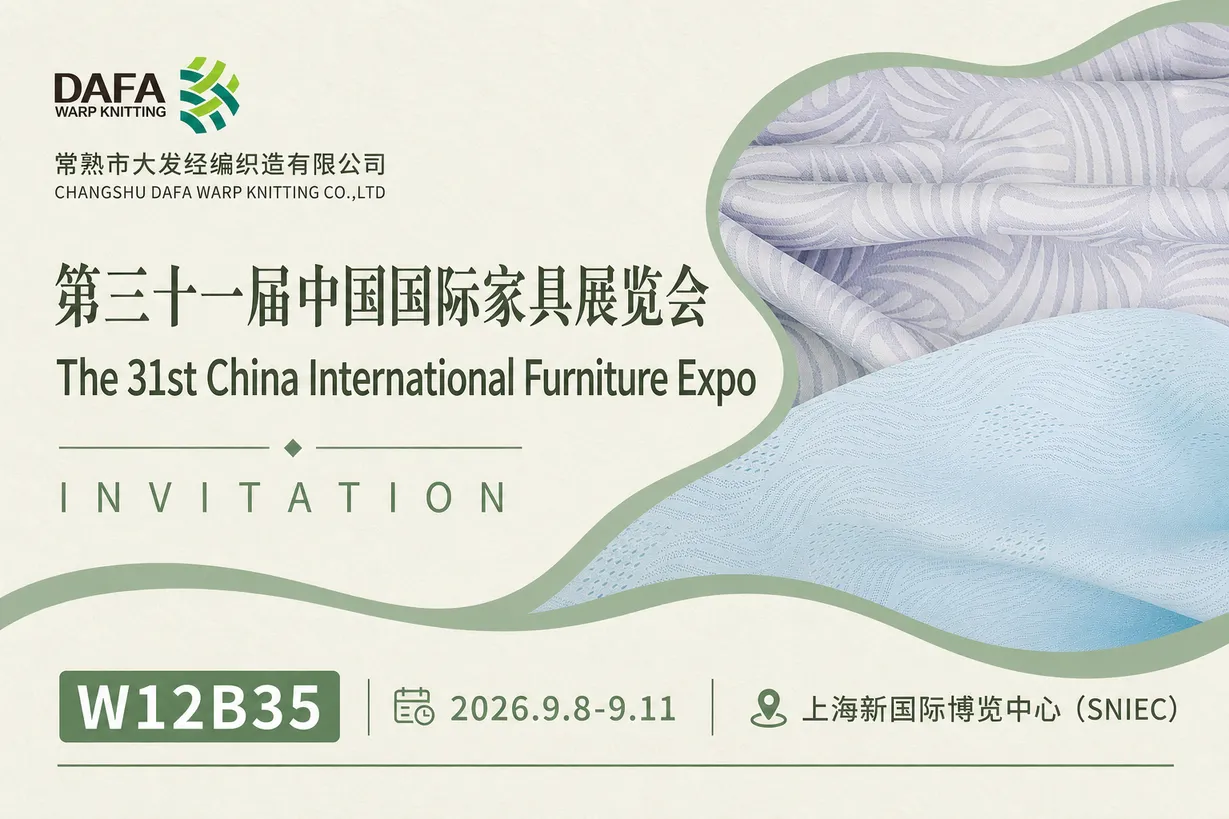
Changshu Dafa Warp Knitting to Showcase 3D Spacer Fabric Sleep Solutions at the 31st China International Furniture Expo

10

Sep

Changshu Dafa Warp Knitting to Showcase 3D Spacer Fabric Sleep Solutions at the 31st China International Furniture Expo

View More

Get a Free Quote

Our representative will contact you soon.
Name
Company Name
Email
Mobile
Message
0/1000

recycled cotton fabric

Environmental Impact Reduction Through Advanced Processing

Environmental Impact Reduction Through Advanced Processing

Recycled cotton fabric production eliminates the resource-intensive cultivation phase required for virgin cotton. By utilizing existing textile waste, manufacturing recycled cotton fabric avoids excessive water consumption associated with cotton farming, which typically uses enormous quantities of water per kilogram produced. This water conservation represents a critical environmental advantage, particularly in water-scarce regions where cotton cultivation traditionally impacts local water supplies. The process of creating recycled cotton fabric also reduces pesticide application and chemical fertilizer runoff that damages ecosystems. Advanced mechanical and chemical processing techniques used in recycled cotton fabric production minimize additional waste generation. Choosing recycled cotton fabric directly supports the circular economy model, preventing textiles from accumulating in landfills where they decompose for years. Every unit of recycled cotton fabric produced represents a significant reduction in carbon emissions compared to equivalent virgin cotton products. Consumers and businesses selecting recycled cotton fabric contribute measurably to climate change mitigation efforts and environmental conservation goals.
Superior Quality and Performance Characteristics

Superior Quality and Performance Characteristics

Recycled cotton fabric maintains exceptional softness and breathability that rivals virgin cotton textiles, providing comfort without environmental compromise. Advanced fiber regeneration technology preserves the natural moisture-wicking properties inherent to cotton, making recycled cotton fabric ideal for clothing worn directly against skin. The durability of recycled cotton fabric surpasses expectations, with properly manufactured versions withstanding numerous wash cycles without significant degradation. Quality standards for recycled cotton fabric ensure consistent fiber strength and dimensional stability throughout production batches. This reliability enables manufacturers to create garments and textiles that maintain appearance and functionality throughout extended use periods. Recycled cotton fabric resists pilling and maintains color vibrancy when quality dyes and finishing processes are applied correctly. The versatility of recycled cotton fabric allows blending with other fibers to enhance specific performance characteristics tailored to application requirements. Whether producing athletic wear, everyday basics, or luxury garments, recycled cotton fabric delivers performance metrics that satisfy demanding customer expectations and maintain competitive advantage in quality-conscious markets.
Market Differentiation and Consumer Demand

Market Differentiation and Consumer Demand

Brands featuring recycled cotton fabric products capture growing consumer segments actively seeking sustainable fashion alternatives. Market research consistently demonstrates that eco-conscious buyers willingly invest in products made from recycled cotton fabric, often accepting premium pricing for certified sustainable options. The storytelling potential of recycled cotton fabric creates powerful marketing narratives that resonate with values-driven customers and build emotional brand connections. Products featuring recycled cotton fabric qualify for sustainability certifications and eco-labels that enhance credibility and attract retail partnerships prioritizing environmental responsibility. Differentiation through recycled cotton fabric positions companies as industry innovators and environmental leaders, strengthening brand perception among influential consumer demographics. The transparency enabled by recycled cotton fabric sourcing allows companies to communicate supply chain practices authentically, building customer trust and loyalty. Incorporating recycled cotton fabric into product lines future-proofs business models against evolving consumer preferences and anticipated regulatory requirements emphasizing sustainable production. Companies adopting recycled cotton fabric early establish competitive advantages that become increasingly valuable as environmental concerns drive mainstream market shifts toward sustainable textile solutions.

Get a Free Quote

Our representative will contact you soon.
Name
Company Name
Email
Mobile
Message
0/1000