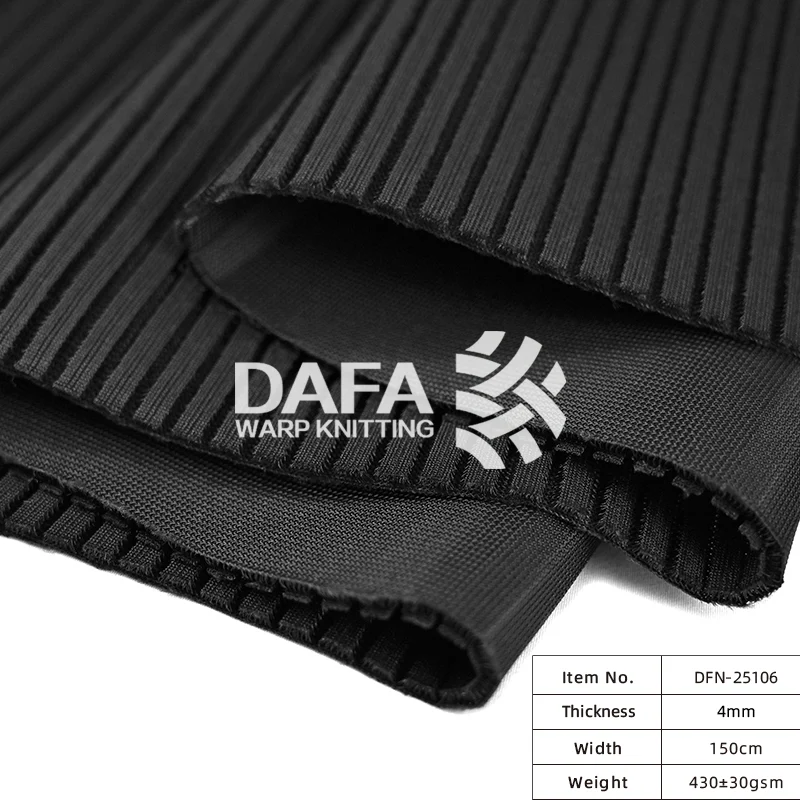
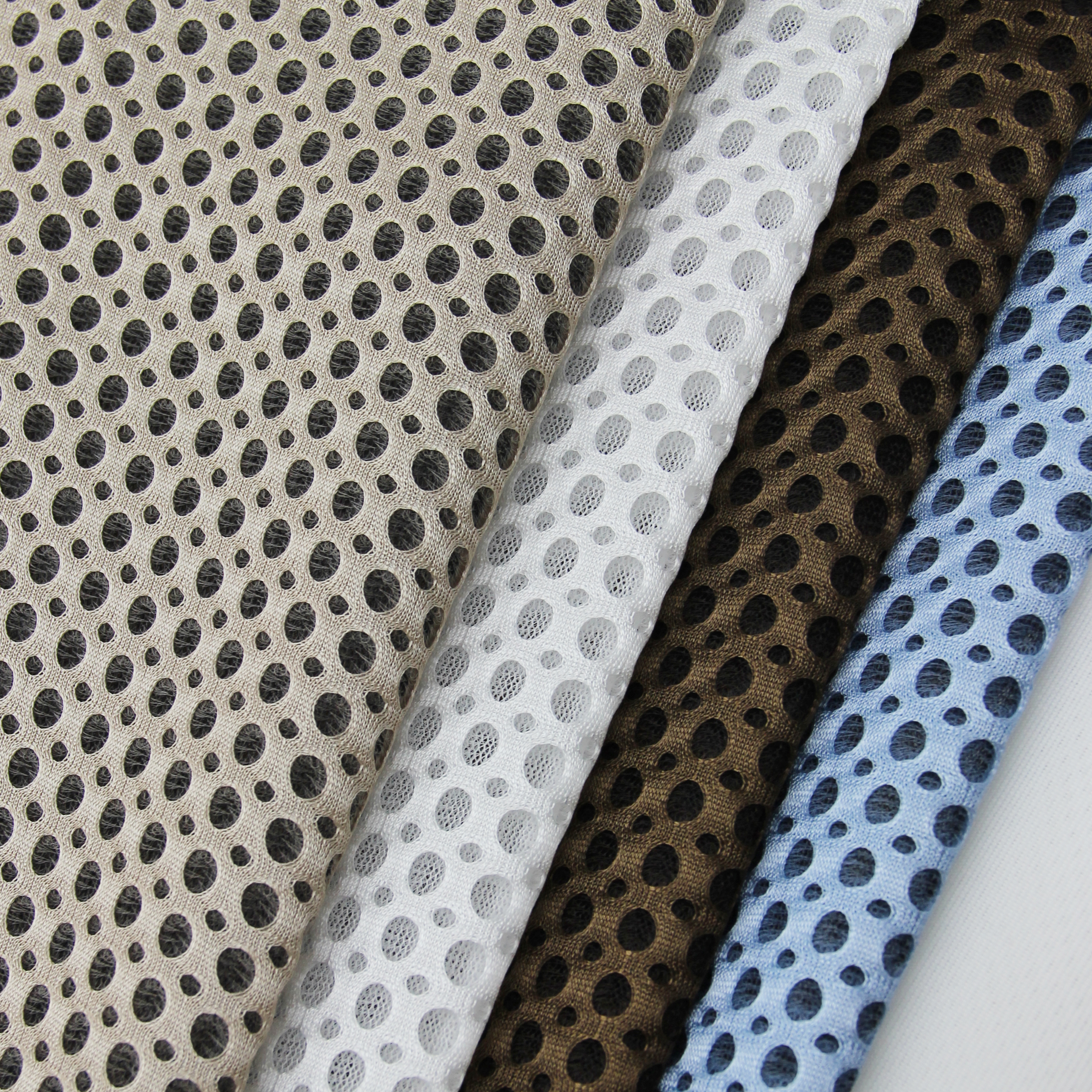
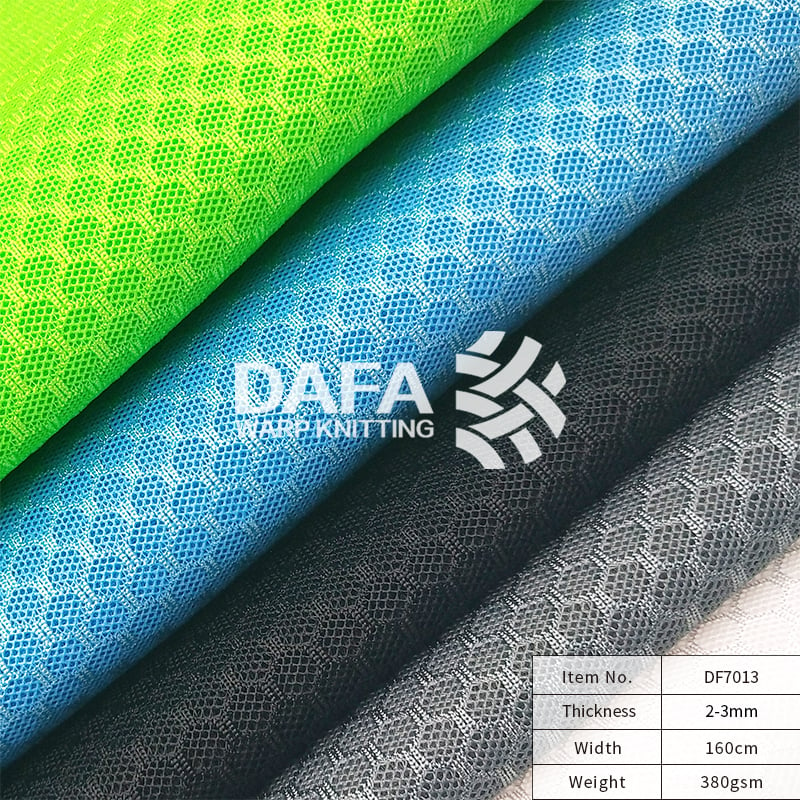
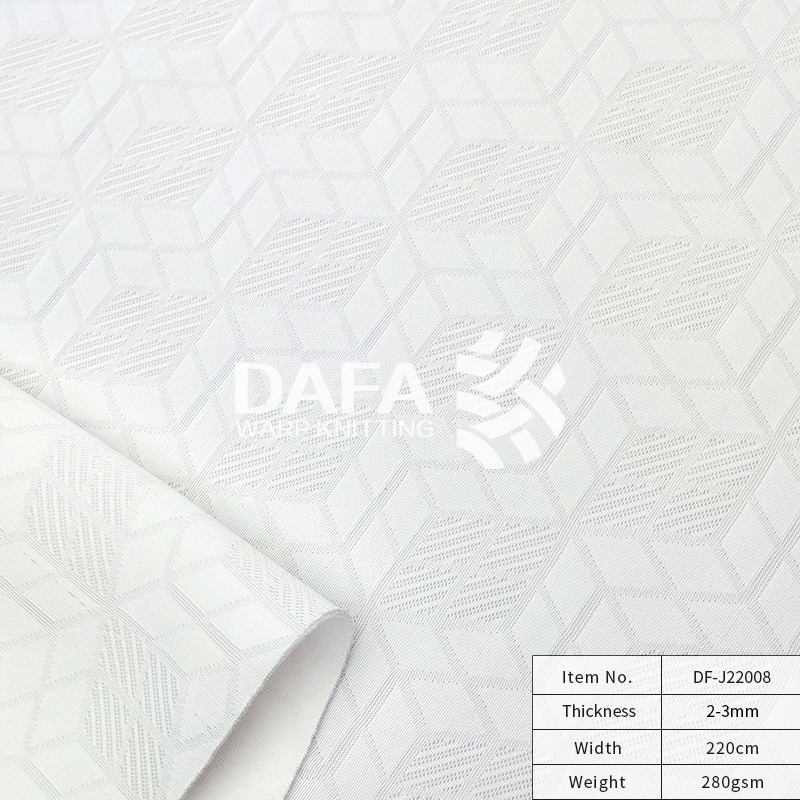
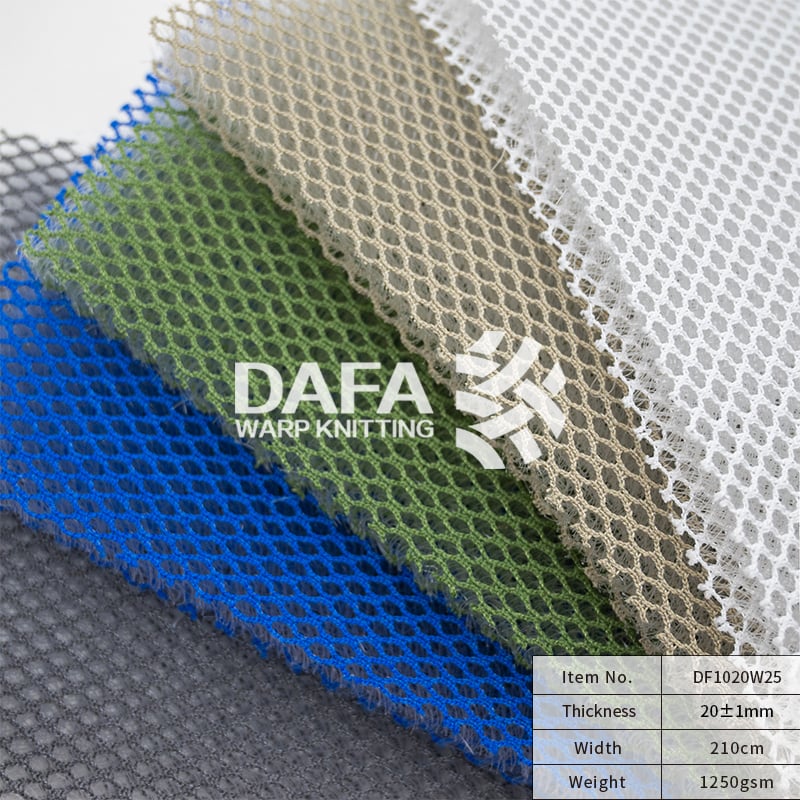
3D Textile: Advanced Woven Structures

All Categories

3d textile

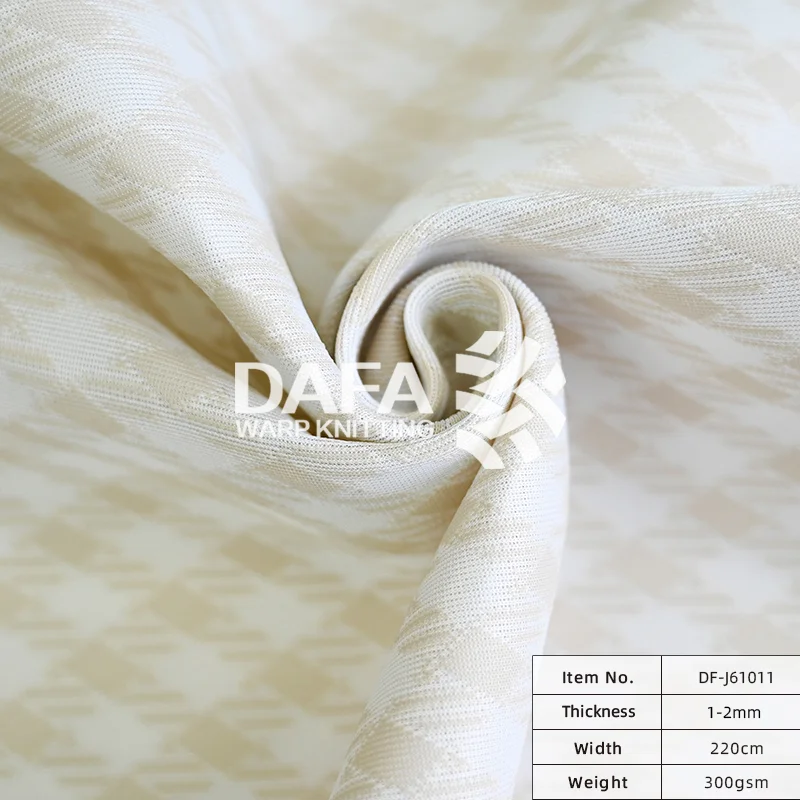
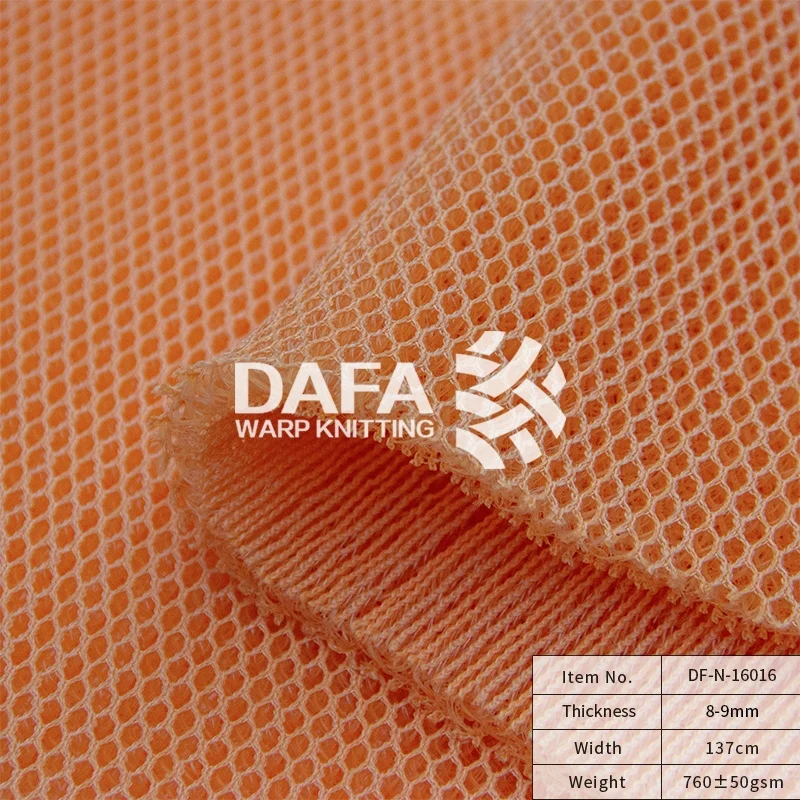
3D textile represents an innovative advancement in fabric manufacturing that combines traditional weaving techniques with cutting-edge three-dimensional technology. This revolutionary 3d textile construction creates layers of interconnected fibers that build structural depth rather than relying solely on flat, woven surfaces. The primary function of 3d textile is to produce fabrics with enhanced dimensional properties, superior strength, and improved functional characteristics. The technological features of 3d textile include multi-directional fiber orientation, which distributes stress across vertical and horizontal planes simultaneously. This 3d textile approach incorporates advanced machinery that weaves fibers through multiple layers during production, creating a unified structure with exceptional durability. The process utilizes specialized looms and digital controls to position each fiber precisely, ensuring consistency and quality throughout the manufacturing process. 3D textile applications span diverse industries including aerospace, automotive, sports equipment, and medical devices. In aerospace, 3d textile components reduce weight while maintaining structural integrity for aircraft components. The automotive sector employs 3d textile materials for reinforced parts that withstand high-stress conditions. Sports manufacturers use 3d textile technology to create performance gear with superior flexibility and breathability. Medical applications benefit from 3d textile's biocompatibility and customizable properties. Environmental applications also leverage 3d textile filtration capabilities. The versatility of 3d textile across these sectors demonstrates its transformative impact on modern manufacturing and material science.
Popular Products

3D textile delivers substantial practical benefits that make it an intelligent choice for manufacturers and end-users seeking performance excellence. The most significant advantage involves structural integrity. Unlike conventional flat fabrics, 3d textile naturally resists delamination and separation because fibers interlock throughout the entire thickness, creating a cohesive unit that maintains its form under pressure and stress. Operationally, 3d textile reduces production waste significantly. The manufacturing process captures and utilizes more fiber material compared to traditional weaving, translating directly into cost savings and sustainability benefits. Manufacturers experience improved efficiency when working with 3d textile because the finished products require fewer secondary reinforcement steps, accelerating time-to-market for finished goods. The application suitability of 3d textile proves remarkable across multiple use cases. In composites manufacturing, 3d textile serves as superior reinforcement compared to conventional woven fabrics. The three-dimensional architecture distributes forces more effectively, resulting in stronger finished products. For protective equipment, 3d textile provides enhanced impact resistance without adding excessive weight or bulk. Athletes appreciate how 3d textile garments offer superior support and compression without restricting movement. Decision-useful product context reveals that 3d textile costs less over product lifecycles than alternatives despite potentially higher initial material expenses. Durability improvements mean replacements occur less frequently, reducing total ownership expenses. Customers choosing 3d textile benefit from extended product warranties, reflecting manufacturers' confidence in performance reliability. The environmental advantage matters increasingly: 3d textile's durability means fewer replacements and less waste entering landfills. Performance metrics consistently demonstrate that 3d textile outperforms conventional materials in stress tests, tear resistance, and long-term dimensional stability.

Tips And Tricks

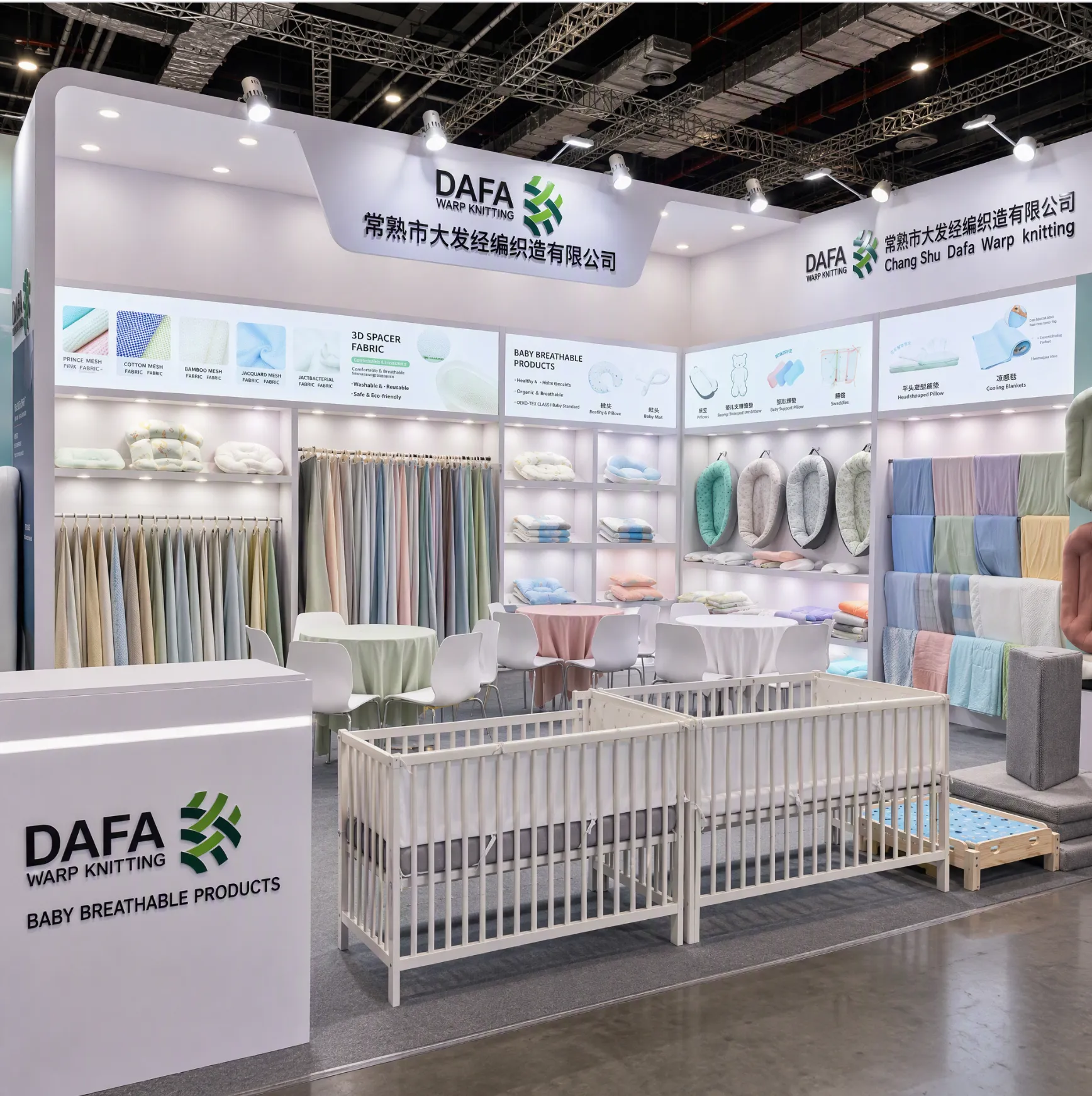
Changshu Dafa Warp Knitting Successfully Showcases Breathable Baby Products at CBME 2026

10

Sep

Changshu Dafa Warp Knitting Successfully Showcases Breathable Baby Products at CBME 2026

View More
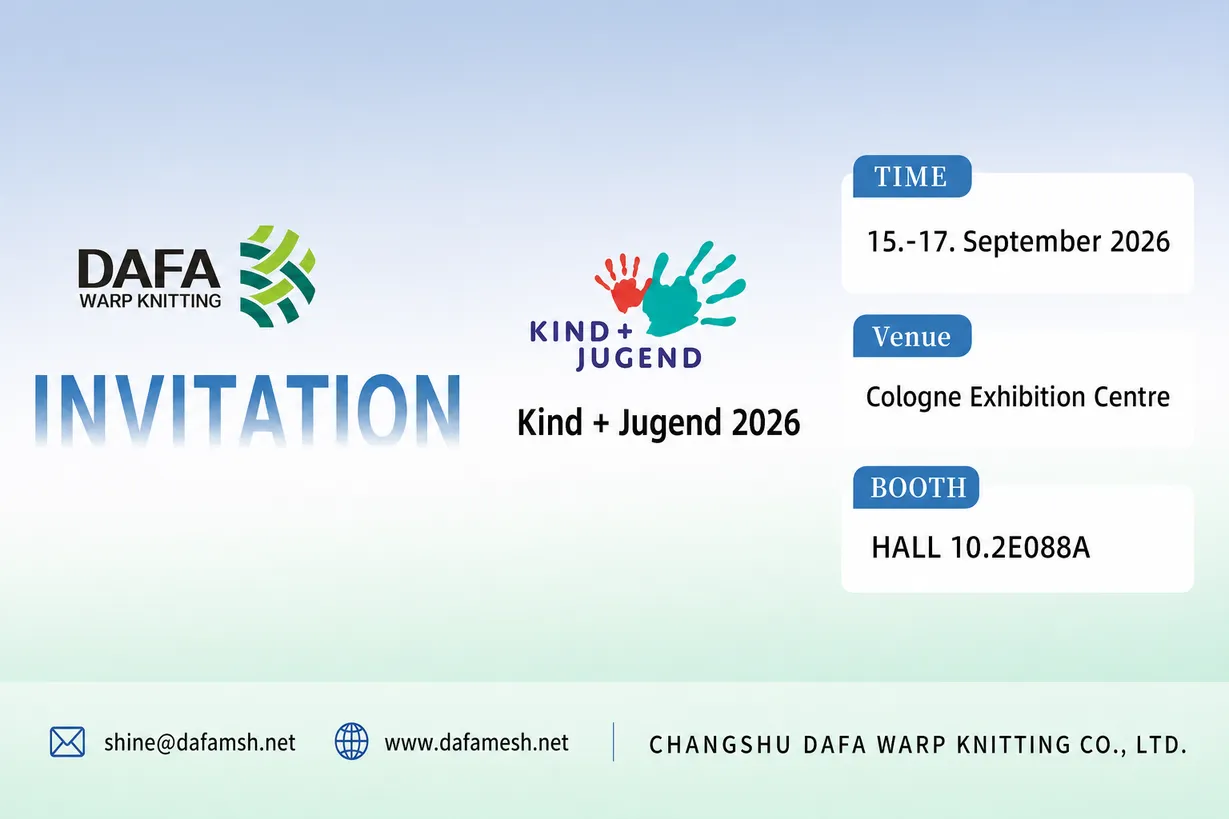
Changshu Dafa Warp Knitting to Showcase 3D Spacer Air Mesh Baby Sleep Collection at Kind + Jugend 2026

28

Sep

Changshu Dafa Warp Knitting to Showcase 3D Spacer Air Mesh Baby Sleep Collection at Kind + Jugend 2026

View More
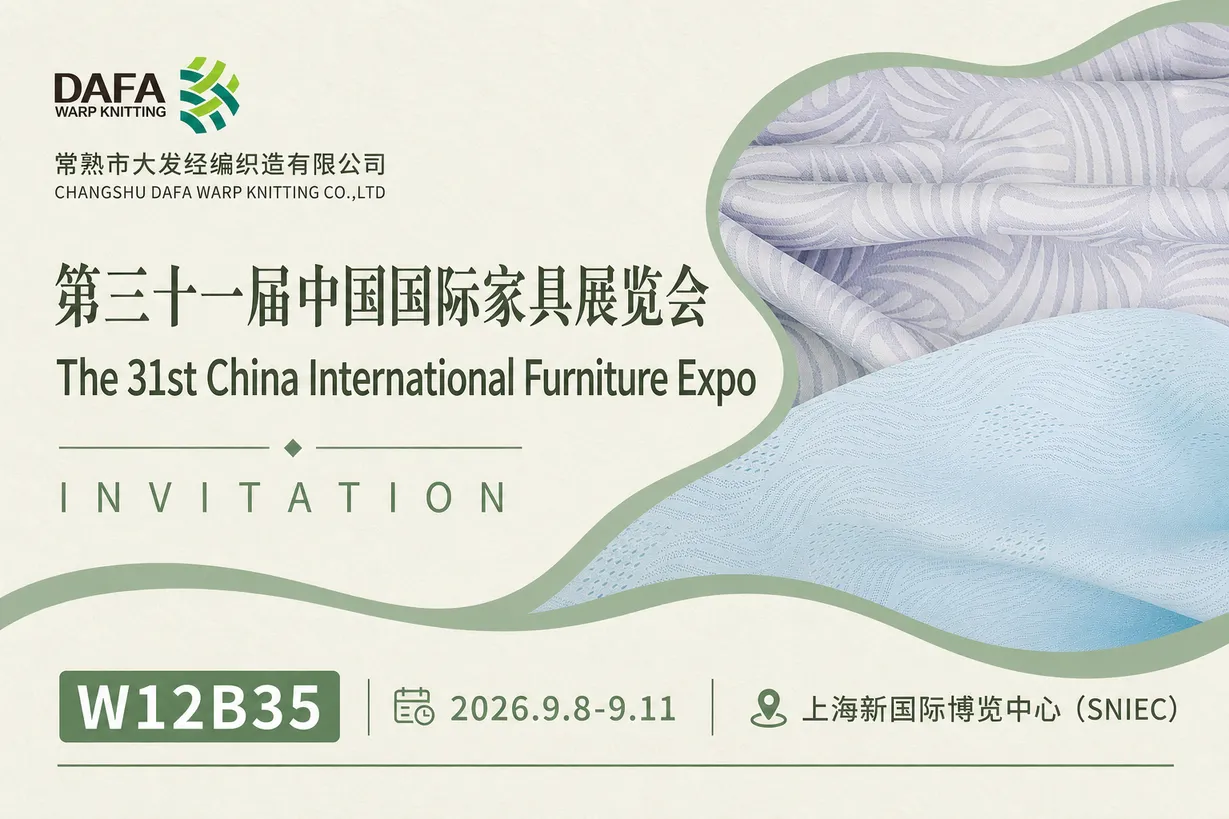
Changshu Dafa Warp Knitting to Showcase 3D Spacer Fabric Sleep Solutions at the 31st China International Furniture Expo

10

Sep

Changshu Dafa Warp Knitting to Showcase 3D Spacer Fabric Sleep Solutions at the 31st China International Furniture Expo

View More

Get a Free Quote

Our representative will contact you soon.
Name
Company Name
Email
Mobile
Message
0/1000

3d textile

Superior Structural Integrity and Durability

Superior Structural Integrity and Durability

3D textile construction fundamentally transforms how materials handle stress and strain. The three-dimensional fiber architecture of 3d textile creates a unified structure where fibers interconnect throughout multiple layers, preventing weak points that typically develop in flat, woven textiles. This architectural advantage means 3d textile resists common failure modes like edge delamination and layer separation that compromise conventional fabrics. When subjected to tensile, compressive, and shear forces simultaneously, 3d textile distributes loads efficiently across all three dimensions. This capability makes 3d textile ideal for high-performance applications where reliability cannot be compromised. Products manufactured with 3d textile withstand thousands of stress cycles before showing signs of wear, compared to significantly fewer cycles for traditional textiles. This extended lifespan translates directly into improved value for end-users and reduced replacement costs throughout product lifecycles. The durability advantage of 3d textile proves especially valuable in demanding environments. Aerospace components crafted from 3d textile maintain structural properties after exposure to extreme temperatures, humidity, and vibration. Automotive applications benefit similarly, with 3d textile components surviving millions of operational cycles without performance degradation. This reliability makes 3d textile the preferred choice for critical applications.
Weight Reduction Without Performance Compromise

Weight Reduction Without Performance Compromise

3D textile achieves a remarkable balance between lightweight construction and exceptional strength, delivering an advantage that traditional materials cannot match. The efficient three-dimensional fiber arrangement of 3d textile means manufacturers accomplish greater strength using less material compared to conventional textiles. This characteristic makes 3d textile invaluable for aerospace and transportation industries where weight directly impacts fuel efficiency and performance. When engineers substitute 3d textile for conventional reinforced materials, they reduce component weight by twenty to thirty percent while maintaining or exceeding strength specifications. This weight reduction compounds across large assemblies, producing significant cumulative benefits. Aircraft manufacturers report substantial fuel consumption decreases when 3d textile replaces conventional materials in panels and structural components. Automotive designers achieve similar advantages in chassis and body components. Beyond transportation, 3d textile weight efficiency benefits sports equipment and personal protective gear. Athletic products incorporating 3d textile provide superior support and protection while remaining lightweight enough for extended wear comfort. Soldiers and emergency responders wearing 3d textile protective equipment experience reduced fatigue during long operational periods. The material science behind 3d textile enables this unique combination of properties that conventional textiles simply cannot deliver simultaneously.
Sustainable Manufacturing and Environmental Responsibility

Sustainable Manufacturing and Environmental Responsibility

3D textile production represents a more environmentally responsible approach to fabric manufacturing than conventional methods. The manufacturing process for 3d textile captures and utilizes fiber material with exceptional efficiency, generating significantly less waste compared to traditional weaving. This waste reduction translates into environmental benefits that resonate throughout product lifecycles. Manufacturers choosing 3d textile reduce material consumption and lower their carbon footprints. The sustainability advantage extends through the entire product lifecycle as 3d textile's exceptional durability means products last considerably longer. Extended product lifespan means fewer replacements, reducing total material consumption and waste generation. Customers purchasing goods made with 3d textile make environmentally conscious choices that align with contemporary sustainability values. This advantage appeals increasingly to consumers and organizations prioritizing environmental responsibility. Recycling programs benefit from 3d textile's material properties as the interconnected fiber structure facilitates recovery and reprocessing. End-of-life 3d textile products enter circular economy systems more effectively than conventional textiles. Forward-thinking manufacturers recognize that 3d textile supports their sustainability commitments while maintaining or improving product performance. The combination of production efficiency, durability, and recyclability makes 3d textile the environmentally intelligent material choice.

Get a Free Quote

Our representative will contact you soon.
Name
Company Name
Email
Mobile
Message
0/1000