3d knitted fabric
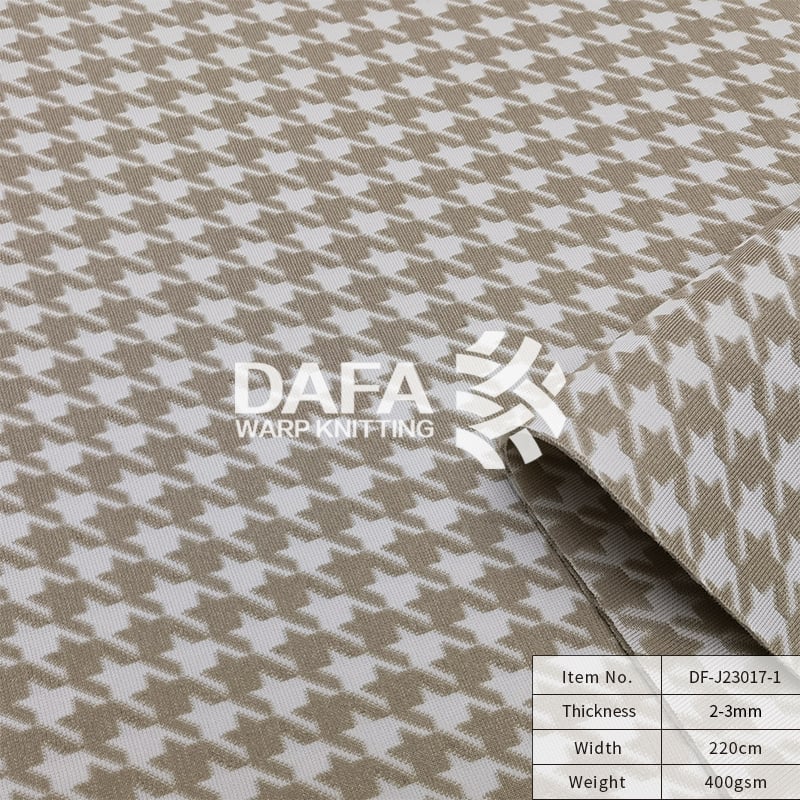
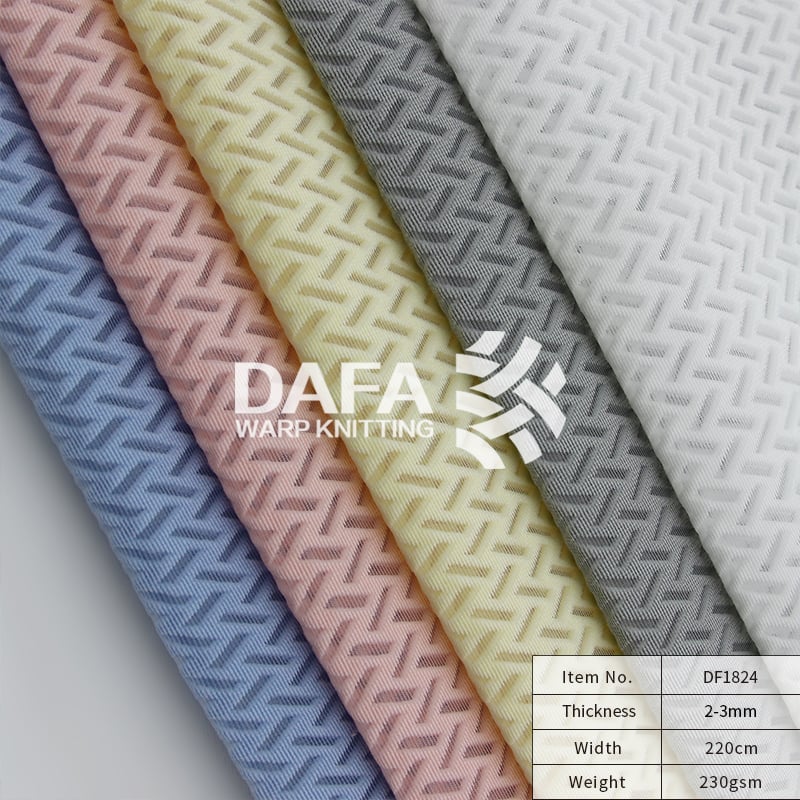
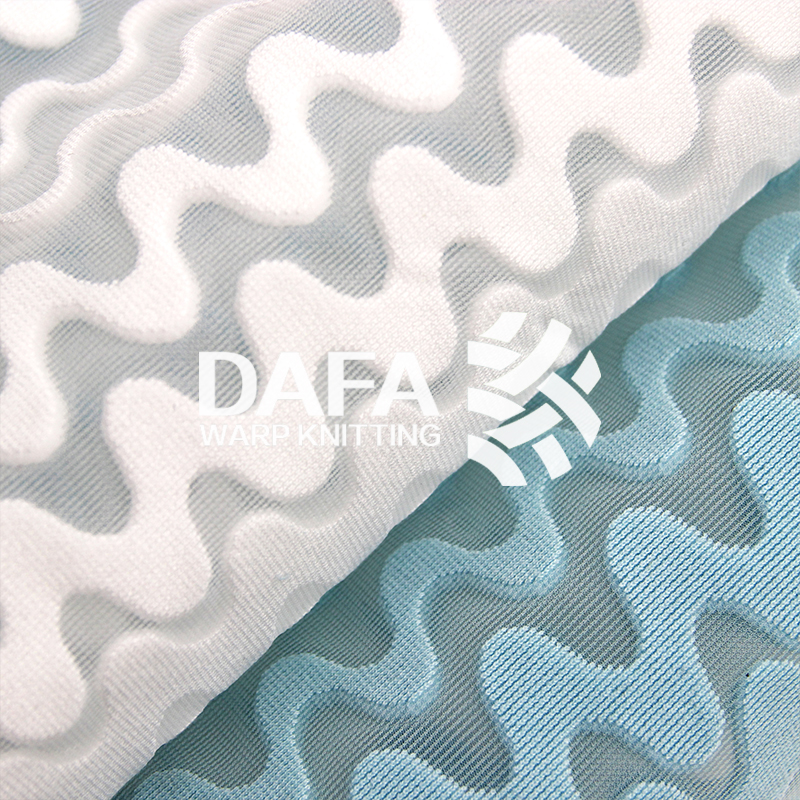
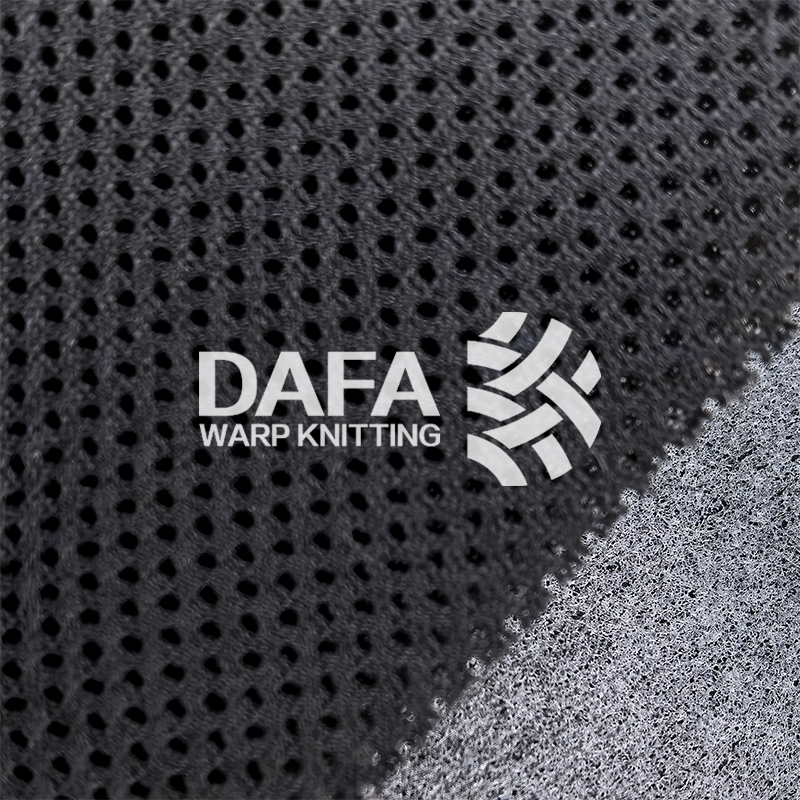
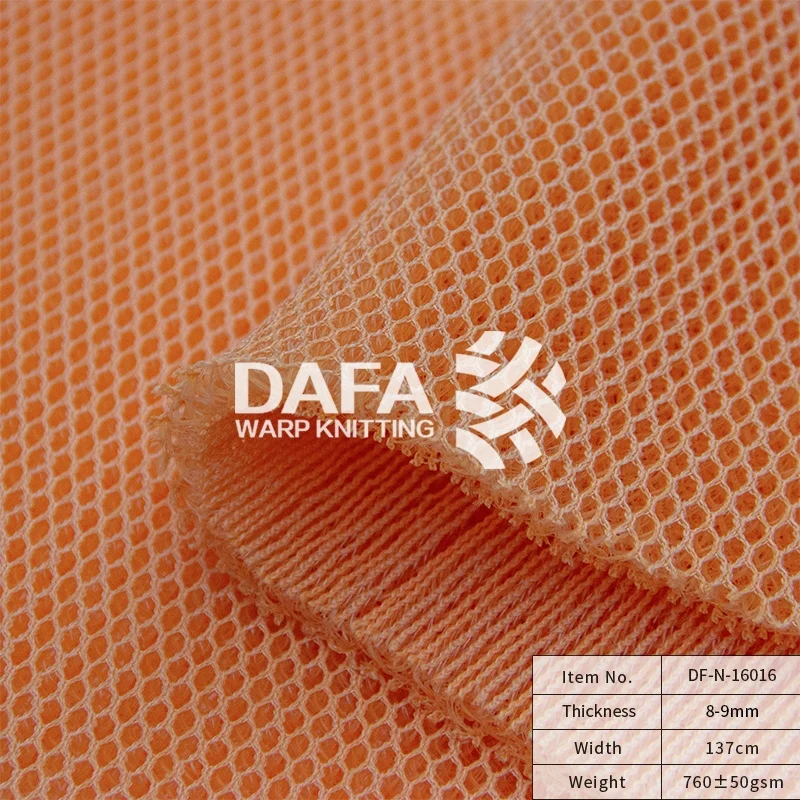
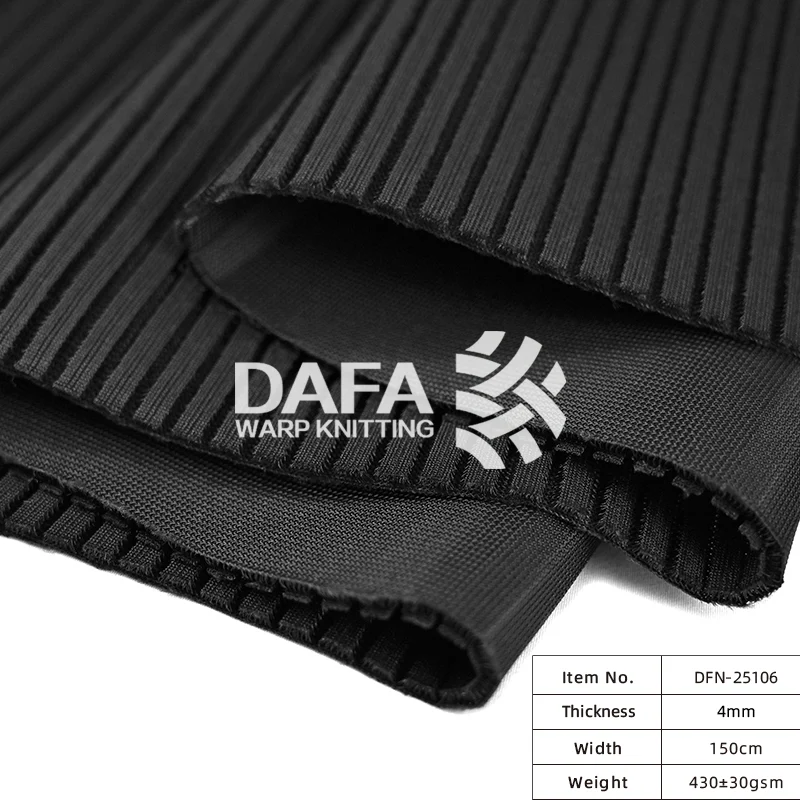
3D knitted fabric represents an innovative advancement in textile manufacturing, combining traditional knitting techniques with modern three-dimensional construction methods. Unlike conventional flat knitted fabrics, 3D knitted fabric features a structured depth that creates air gaps and void spaces throughout the material, delivering exceptional performance characteristics.
The primary function of 3D knitted fabric is to provide superior cushioning, breathability, and structural integrity simultaneously. This unique construction allows 3D knitted fabric to maintain shape consistency while offering enhanced comfort and durability across demanding applications. The technological features of 3D knitted fabric include multi-layer warp and weft interlocking, which creates interconnected fiber networks that distribute stress evenly across the textile.
Key technological advantages of 3D knitted fabric involve its ability to blend different fiber types within the structure, enabling customized performance properties. The manufacturing process for 3D knitted fabric utilizes advanced computerized knitting machines that precisely control yarn placement in three dimensions, ensuring consistent quality and reproducibility.
Applications of 3D knitted fabric span numerous industries, including automotive interiors, sportswear, medical textiles, and aerospace components. Athletic brands utilize 3D knitted fabric for performance shoes and clothing due to its exceptional breathability and moisture-wicking properties. In automotive manufacturing, 3D knitted fabric serves as lightweight reinforcement in composite materials. The medical sector employs 3D knitted fabric for wound dressings and orthopedic supports, leveraging its biocompatible properties. This versatile material continues gaining popularity as manufacturers recognize the efficiency and performance benefits of integrating 3D knitted fabric into their product portfolios.



 EN
EN