3D Knitted Fabric: Advanced Textile Solutions

All Categories

3d knitted fabric

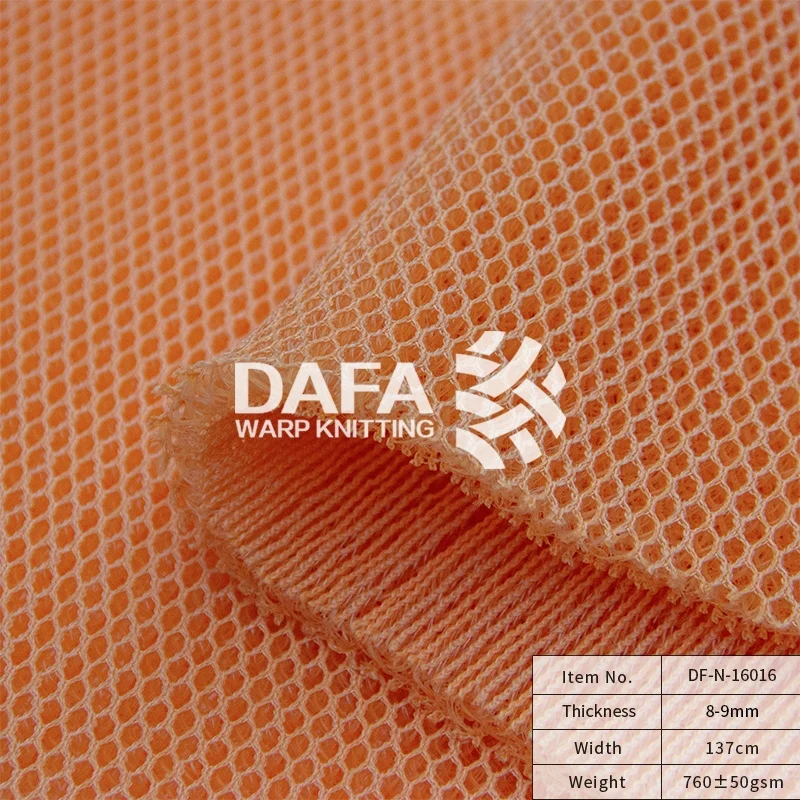
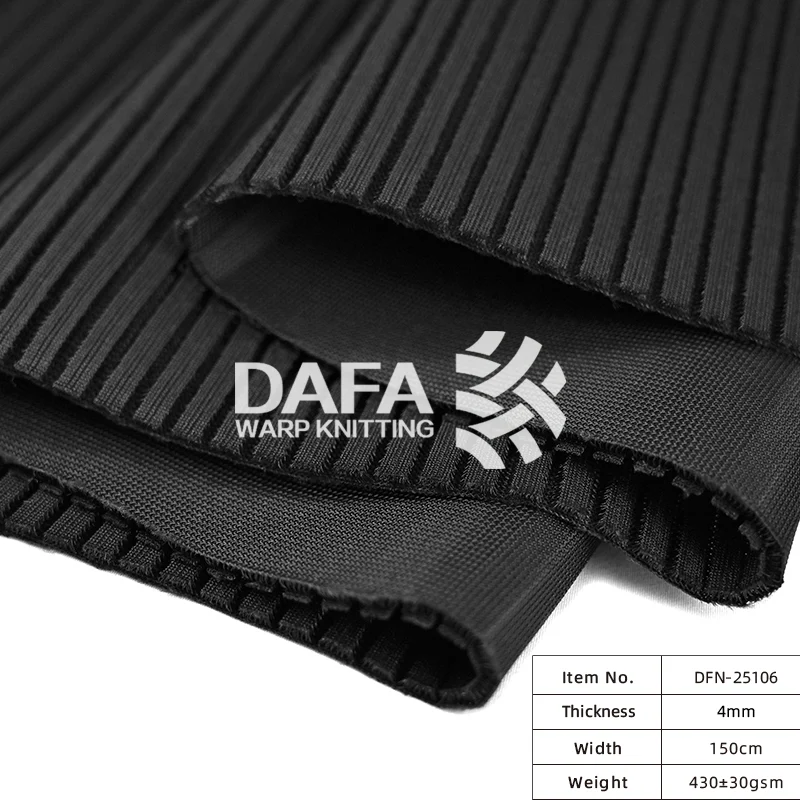
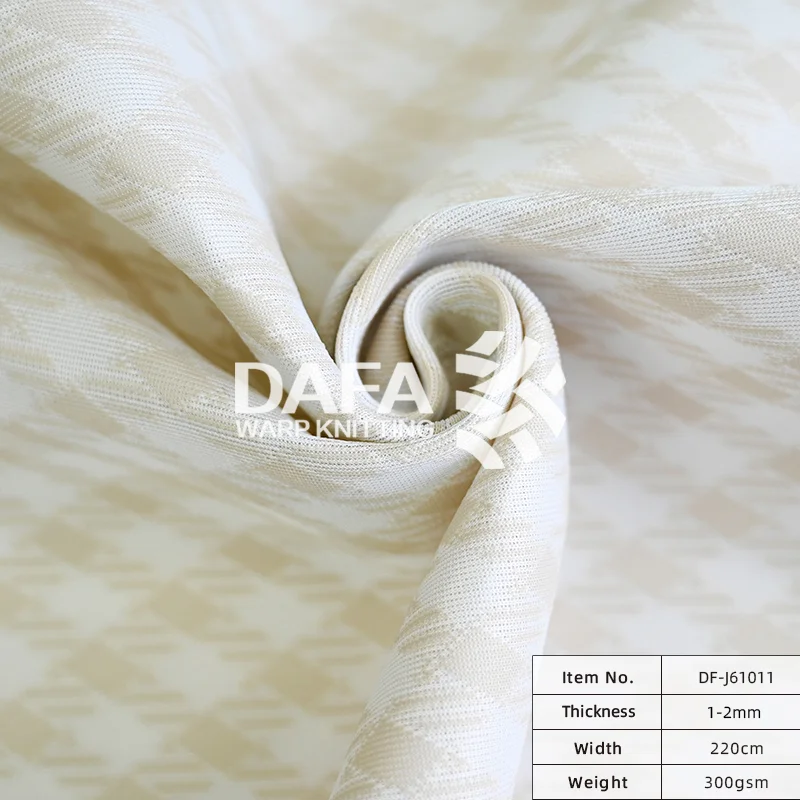
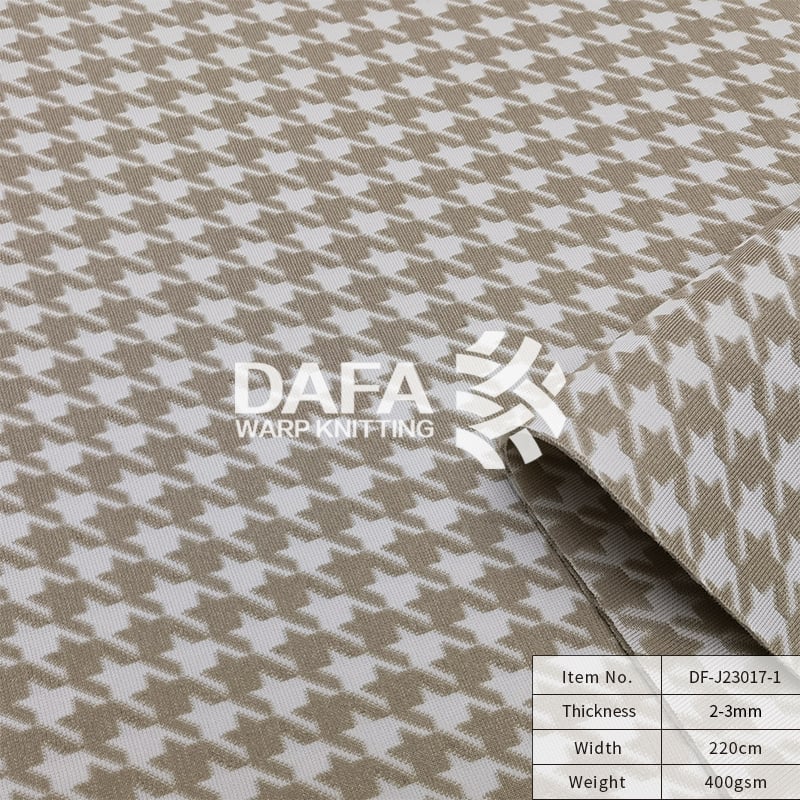
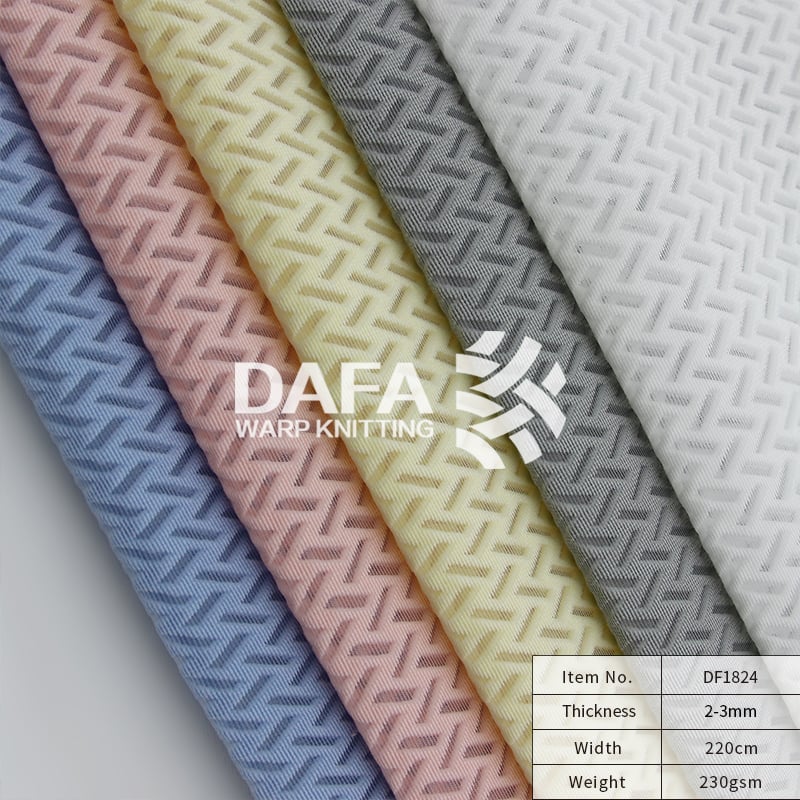
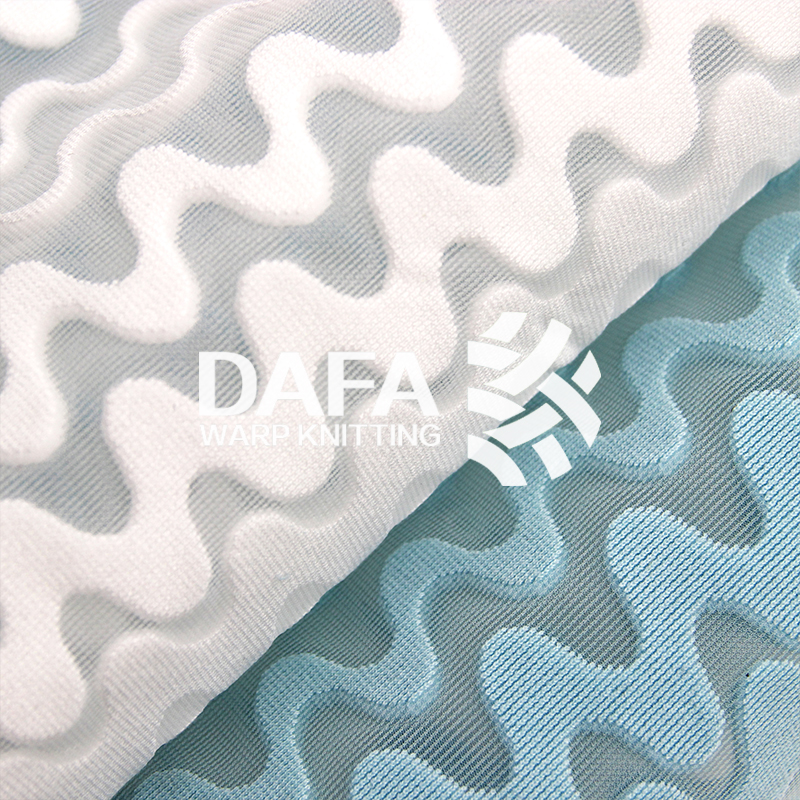
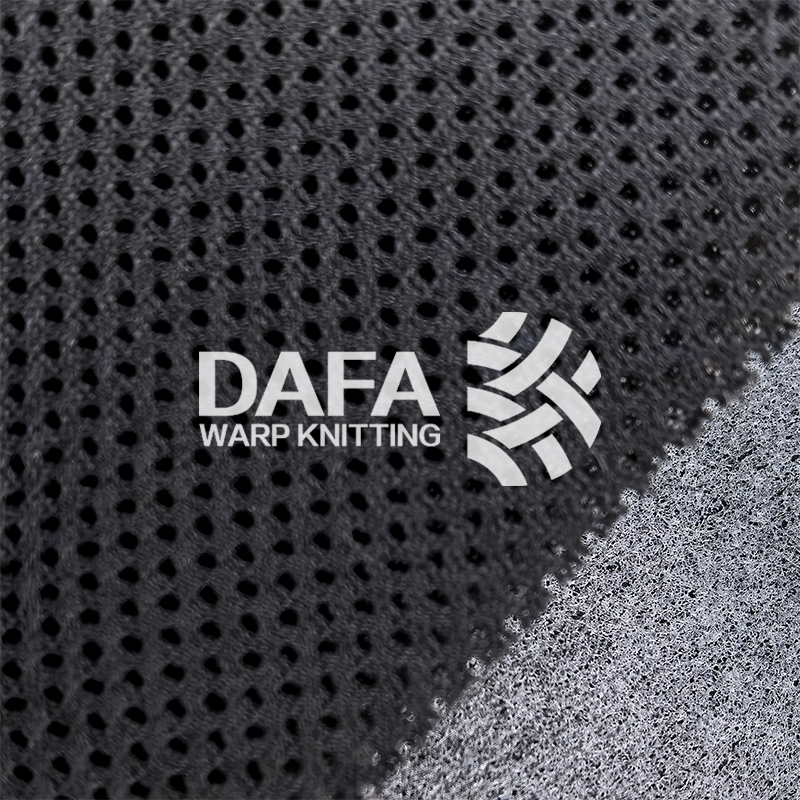
3D knitted fabric represents an innovative advancement in textile manufacturing, combining traditional knitting techniques with modern three-dimensional construction methods. Unlike conventional flat knitted fabrics, 3D knitted fabric features a structured depth that creates air gaps and void spaces throughout the material, delivering exceptional performance characteristics. The primary function of 3D knitted fabric is to provide superior cushioning, breathability, and structural integrity simultaneously. This unique construction allows 3D knitted fabric to maintain shape consistency while offering enhanced comfort and durability across demanding applications. The technological features of 3D knitted fabric include multi-layer warp and weft interlocking, which creates interconnected fiber networks that distribute stress evenly across the textile. Key technological advantages of 3D knitted fabric involve its ability to blend different fiber types within the structure, enabling customized performance properties. The manufacturing process for 3D knitted fabric utilizes advanced computerized knitting machines that precisely control yarn placement in three dimensions, ensuring consistent quality and reproducibility. Applications of 3D knitted fabric span numerous industries, including automotive interiors, sportswear, medical textiles, and aerospace components. Athletic brands utilize 3D knitted fabric for performance shoes and clothing due to its exceptional breathability and moisture-wicking properties. In automotive manufacturing, 3D knitted fabric serves as lightweight reinforcement in composite materials. The medical sector employs 3D knitted fabric for wound dressings and orthopedic supports, leveraging its biocompatible properties. This versatile material continues gaining popularity as manufacturers recognize the efficiency and performance benefits of integrating 3D knitted fabric into their product portfolios.
New Product Releases

3D knitted fabric delivers exceptional practical benefits that directly improve product performance and customer satisfaction across numerous applications. The most significant advantage lies in its superior breathability compared to traditional textiles. Because 3D knitted fabric contains engineered air pockets throughout its structure, it promotes optimal ventilation, making it ideal for active wear and medical applications where moisture management proves critical. Operational benefits of 3D knitted fabric include reduced production waste and faster manufacturing cycles. The integrated construction method means 3D knitted fabric requires fewer post-production finishing steps than conventional multi-layer textiles. This efficiency translates to lower production costs and quicker time-to-market for manufacturers choosing 3D knitted fabric for their products. The durability of 3D knitted fabric significantly surpasses standard fabrics, offering extended product lifespan and superior value retention. Because 3D knitted fabric distributes wear pressure across its three-dimensional matrix, stress concentrates less intensely on individual fibers, reducing premature deterioration. Customers benefit from increased product longevity when purchasing items made from 3D knitted fabric. Application suitability represents another critical advantage of 3D knitted fabric. Its structural flexibility allows manufacturers to engineer specific performance characteristics by adjusting yarn types, fiber blends, and knit patterns. Whether requiring enhanced cushioning for athletic footwear or improved thermal regulation for winter clothing, 3D knitted fabric adapts to diverse functional requirements. For decision-making, customers should recognize that 3D knitted fabric offers premium performance at competitive price points. The material's efficiency in production and extended durability make 3D knitted fabric an economically intelligent choice, delivering superior functionality while maintaining reasonable pricing compared to conventional alternatives.

Tips And Tricks

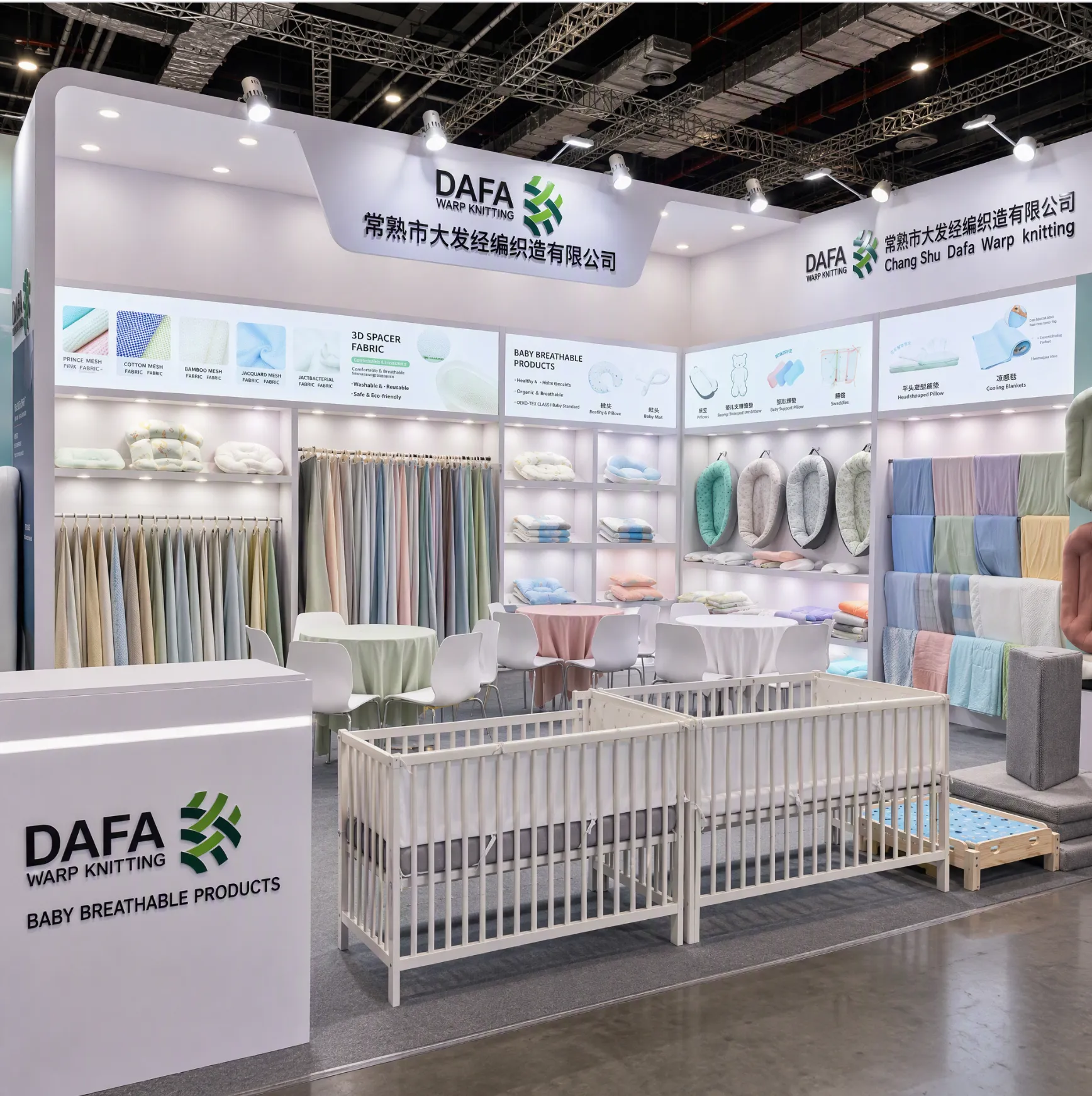
Changshu Dafa Warp Knitting Successfully Showcases Breathable Baby Products at CBME 2026

10

Sep

Changshu Dafa Warp Knitting Successfully Showcases Breathable Baby Products at CBME 2026

View More
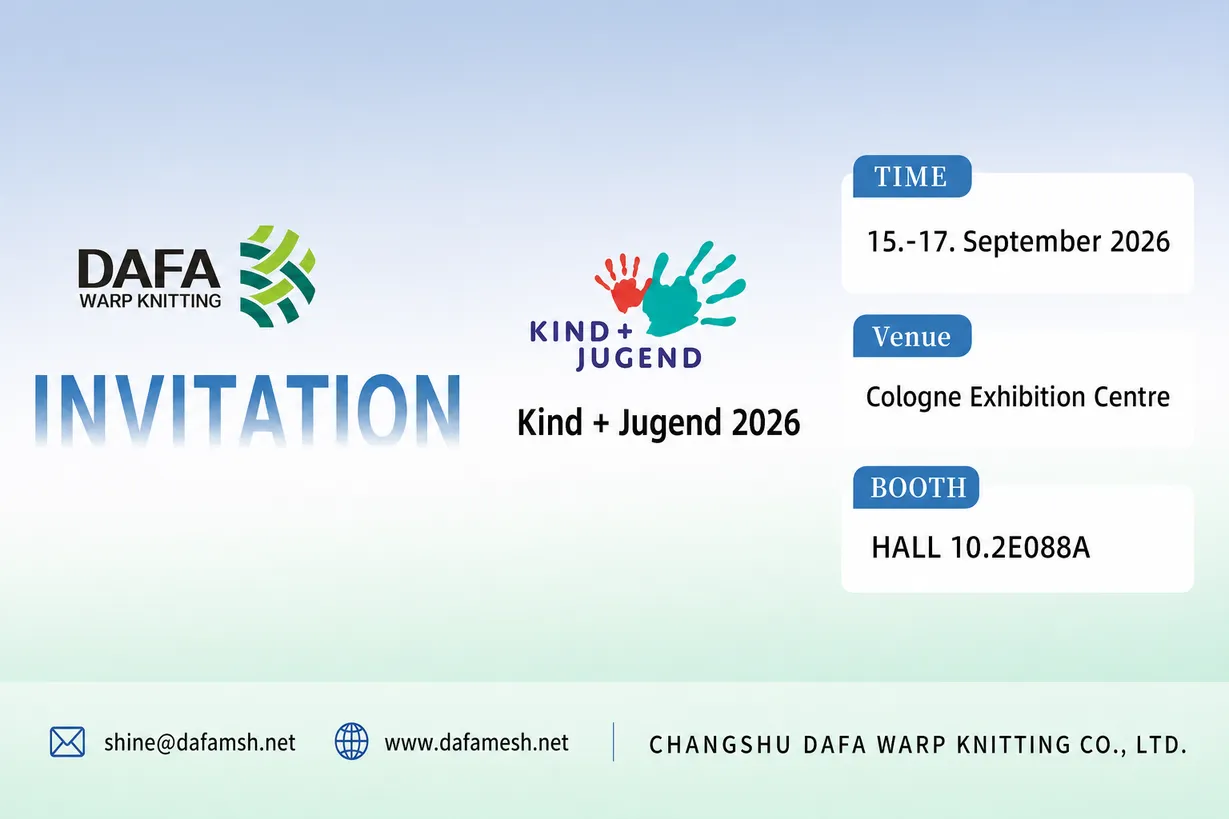
Changshu Dafa Warp Knitting to Showcase 3D Spacer Air Mesh Baby Sleep Collection at Kind + Jugend 2026

28

Sep

Changshu Dafa Warp Knitting to Showcase 3D Spacer Air Mesh Baby Sleep Collection at Kind + Jugend 2026

View More
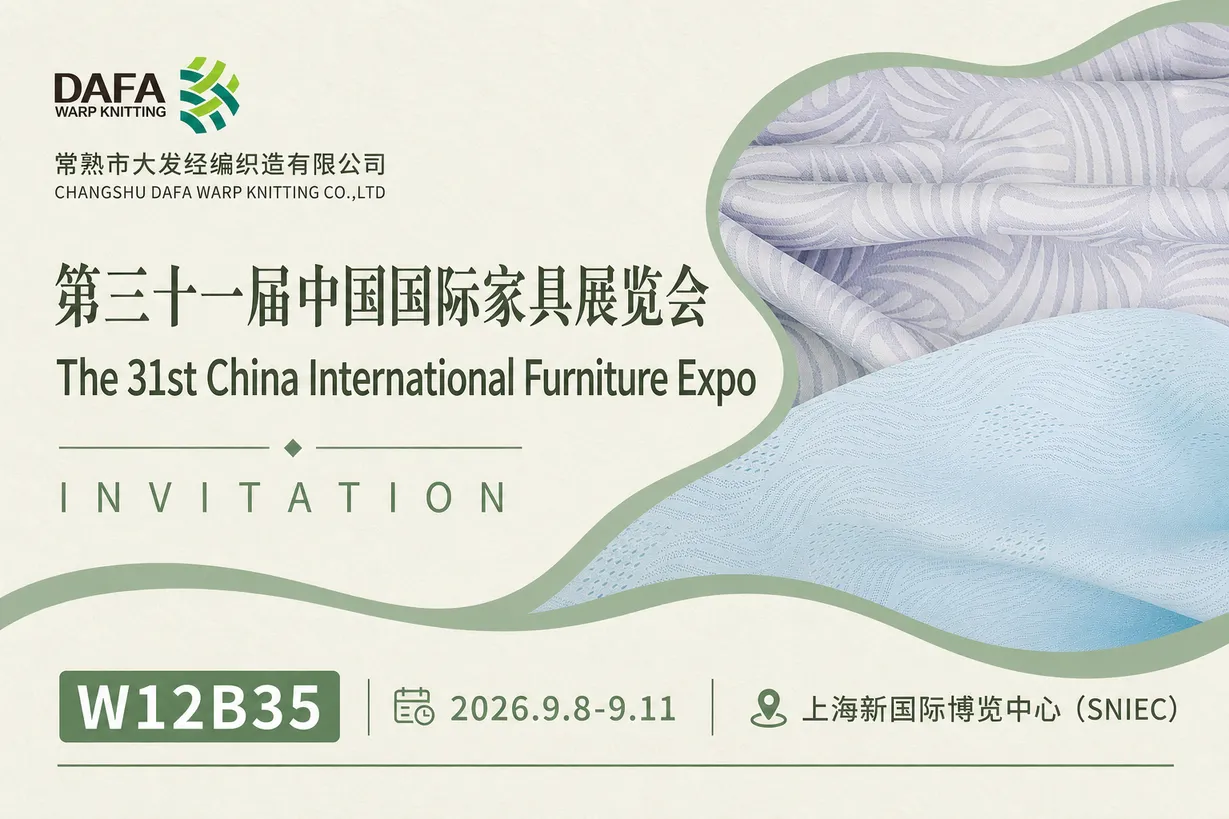
Changshu Dafa Warp Knitting to Showcase 3D Spacer Fabric Sleep Solutions at the 31st China International Furniture Expo

10

Sep

Changshu Dafa Warp Knitting to Showcase 3D Spacer Fabric Sleep Solutions at the 31st China International Furniture Expo

View More

Get a Free Quote

Our representative will contact you soon.
Name
Company Name
Email
Mobile
Message
0/1000

3d knitted fabric

Advanced Three-Dimensional Structure for Superior Support

Advanced Three-Dimensional Structure for Superior Support

3D knitted fabric features a revolutionary multi-layer construction that creates precisely engineered air chambers throughout the textile matrix. This advanced structure of 3D knitted fabric provides exceptional support while maintaining lightweight properties that conventional fabrics cannot match. The three-dimensional architecture distributes body pressure evenly across the surface, reducing localized stress points and enhancing overall comfort during extended wear. Athletes and active individuals especially appreciate how 3D knitted fabric responds to movement, providing dynamic support that adapts to body contours. The engineered void spaces within 3D knitted fabric allow continuous airflow, preventing moisture accumulation that typically causes discomfort and skin irritation. Manufacturers leverage this unique structural advantage of 3D knitted fabric to create innovative footwear, compression garments, and protective equipment. The durability of 3D knitted fabric stems directly from its robust three-dimensional construction, which resists tearing and maintains shape integrity through intensive use. This structural advantage makes 3D knitted fabric particularly valuable in demanding applications where performance cannot be compromised.
Enhanced Breathability and Moisture Management

Enhanced Breathability and Moisture Management

The exceptional breathability of 3D knitted fabric addresses a critical challenge in modern textile design: managing moisture while maintaining structural support. Because 3D knitted fabric incorporates intentional air pathways throughout its construction, moisture evaporates rapidly rather than accumulating against skin surfaces. This moisture-management capability of 3D knitted fabric makes it ideal for athletic wear, medical textiles, and warm-weather clothing applications. Users experience noticeably improved comfort compared to traditional fabrics, as 3D knitted fabric actively removes sweat and moisture from the body. The ventilation properties of 3D knitted fabric prevent bacterial growth and reduce odor development, extending the time between required washing cycles. Healthcare professionals recommend 3D knitted fabric for wound dressings and medical supports specifically because of these superior moisture-management features. The breathability advantage of 3D knitted fabric also reduces heat buildup during physical activity, helping athletes maintain optimal body temperature. Customers selecting products made from 3D knitted fabric consistently report enhanced comfort and improved skin health compared to conventional textile alternatives.
Lightweight Performance Without Compromising Durability

Lightweight Performance Without Compromising Durability

3D knitted fabric achieves an exceptional balance between minimal weight and maximum durability, setting it apart from traditional textile solutions. The efficient material utilization in 3D knitted fabric means manufacturers can reduce overall weight while actually improving structural performance compared to heavier conventional fabrics. This lightweight advantage of 3D knitted fabric makes it perfect for athletic footwear, where reduced mass directly translates to improved performance and reduced fatigue during activities. Industrial applications benefit equally from 3D knitted fabric's weight efficiency, allowing manufacturers to produce lighter components without sacrificing protective properties. The durability of 3D knitted fabric paradoxically improves as designers optimize for reduced weight, creating stronger products through intelligent engineering rather than material accumulation. Aerospace and automotive manufacturers particularly value 3D knitted fabric because the lightweight nature reduces fuel consumption and operational costs while maintaining necessary structural integrity. Customers gain immediate practical benefits when choosing products featuring 3D knitted fabric, experiencing improved mobility and comfort alongside extended product lifespan. The remarkable combination of lightweight properties and exceptional durability makes 3D knitted fabric the preferred choice for performance-conscious consumers and forward-thinking manufacturers.

Get a Free Quote

Our representative will contact you soon.
Name
Company Name
Email
Mobile
Message
0/1000