Premium Recycled Kimono Fabric

All Categories

recycled kimono fabric

Recycled kimono fabric represents an innovative approach to sustainable textile production, transforming traditional Japanese garments into contemporary eco-friendly materials. This specialized recycled kimono fabric is created by carefully deconstructing vintage and surplus kimonos, extracting high-quality silk and cotton fibers that retain exceptional durability and aesthetic appeal. The recycled kimono fabric production process involves meticulous sorting, cleaning, and processing techniques that preserve the inherent characteristics of authentic kimono textiles while meeting modern sustainability standards. The primary function of recycled kimono fabric is to provide environmentally conscious consumers with premium textile options that reduce waste and celebrate cultural heritage simultaneously. Technologically, recycled kimono fabric incorporates advanced fiber recovery systems that maximize material yield while maintaining structural integrity and vibrant coloration. The fabric features natural variations in weave patterns and dyeing that distinguish authentic recycled kimono fabric from mass-produced alternatives. Applications for recycled kimono fabric span diverse industries, including fashion design, interior decoration, and artisanal crafts. Designers leverage recycled kimono fabric to create unique garments, accessories, and home furnishings that tell stories of cultural preservation. The material's versatility makes recycled kimono fabric suitable for upholstery, wall coverings, and bespoke fashion pieces. Environmental benefits accompany practical advantages, as recycled kimono fabric requires significantly less water and energy compared to conventional textile manufacturing, positioning it as a responsible choice for environmentally aware brands and consumers seeking authentic, sustainable alternatives to conventional fabrics.
Popular Products

Recycled kimono fabric delivers substantial practical benefits that extend beyond environmental considerations, offering genuine value for customers seeking superior quality and meaningful purchasing choices. The most significant advantage lies in the material's exceptional durability, as recycled kimono fabric derives from time-tested construction methods perfected over centuries. Vintage kimonos were engineered to withstand regular wear, resulting in recycled kimono fabric that outperforms many contemporary textiles in longevity and resilience, ultimately reducing replacement frequency and delivering long-term cost savings. Operationally, recycled kimono fabric simplifies design and production processes through its inherent versatility. The material adapts seamlessly to various applications, from fashion garments to home décor elements, eliminating the need for specialized processing or treatments. Artisans and manufacturers appreciate how recycled kimono fabric retains vivid colors and intricate patterns without additional finishing steps, streamlining workflows and reducing production timelines. The application suitability of recycled kimono fabric addresses multiple market segments simultaneously. Fashion designers value the unique aesthetic qualities that mass-produced fabrics cannot replicate, while interior designers appreciate the cultural authenticity and visual interest recycled kimono fabric brings to residential and commercial spaces. Consumers benefit from knowing that each purchase directly supports sustainable practices and cultural preservation initiatives. Decision-useful context emerges when considering recycled kimono fabric's provenance and transparency. Unlike conventional fabrics with opaque supply chains, recycled kimono fabric often includes documented history, allowing conscious consumers to make informed decisions aligned with their values. The reduced environmental footprint, combined with superior quality metrics and cultural significance, positions recycled kimono fabric as a responsible investment that satisfies both aesthetic preferences and ethical considerations, making it an exceptional choice for discerning customers worldwide.

Practical Tips

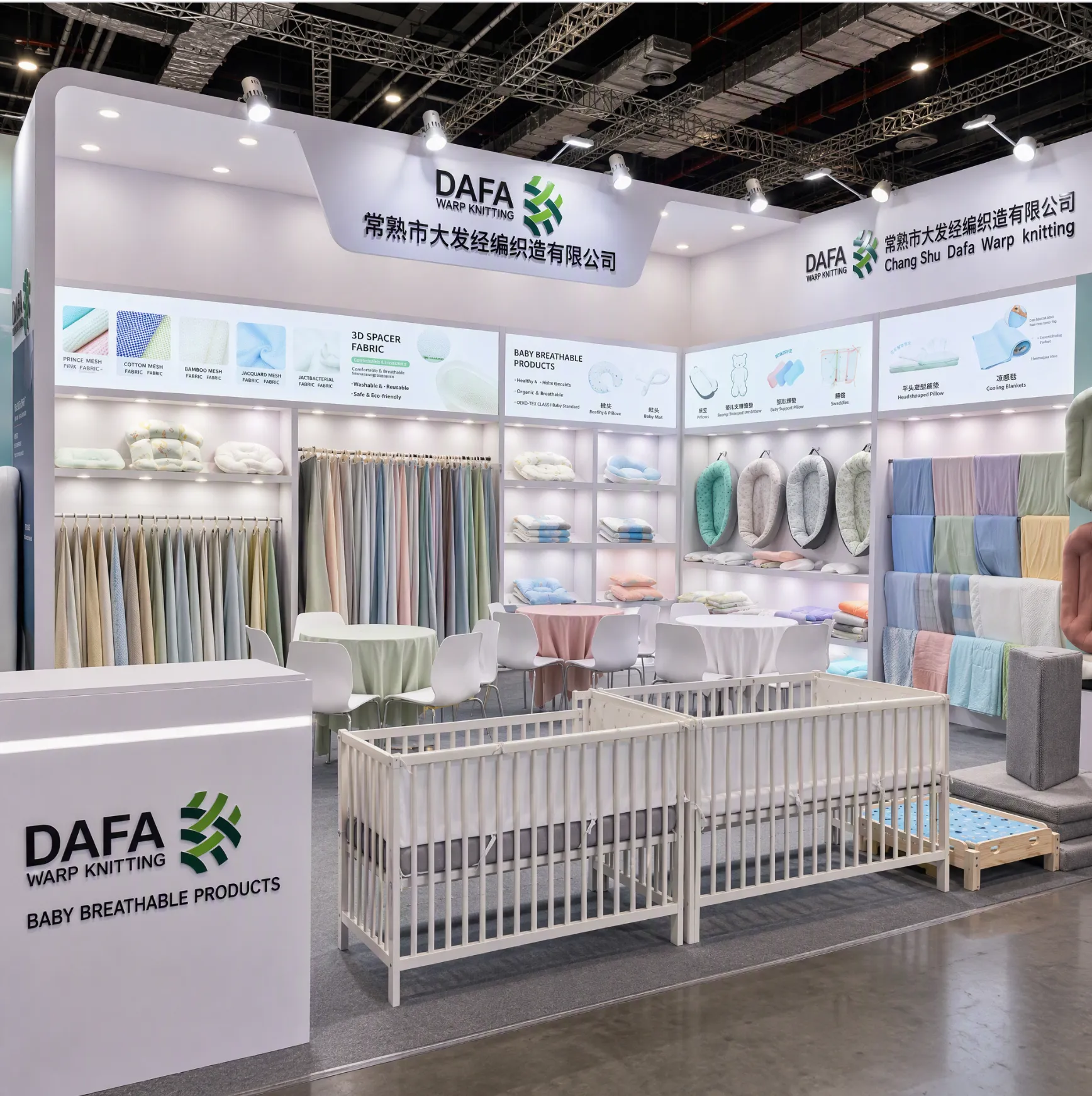
Changshu Dafa Warp Knitting Successfully Showcases Breathable Baby Products at CBME 2026

10

Sep

Changshu Dafa Warp Knitting Successfully Showcases Breathable Baby Products at CBME 2026

View More
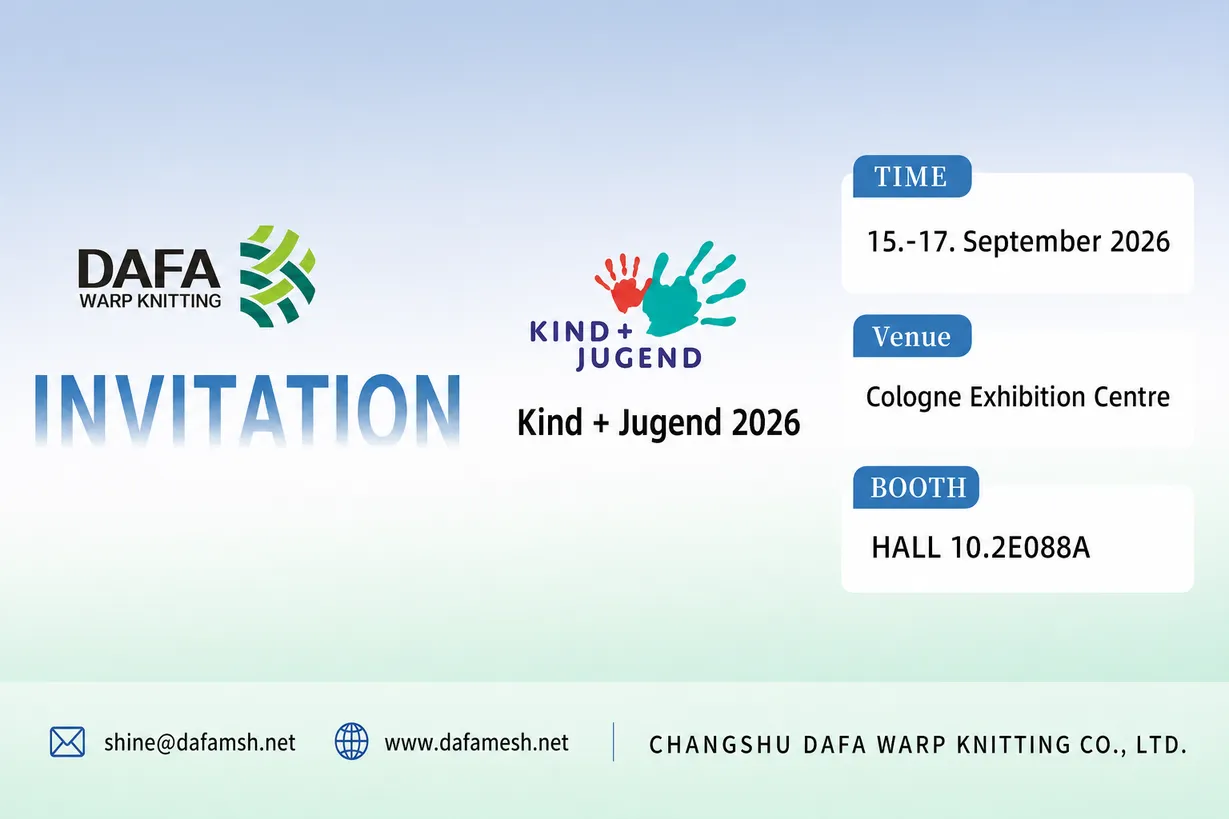
Changshu Dafa Warp Knitting to Showcase 3D Spacer Air Mesh Baby Sleep Collection at Kind + Jugend 2026

28

Sep

Changshu Dafa Warp Knitting to Showcase 3D Spacer Air Mesh Baby Sleep Collection at Kind + Jugend 2026

View More
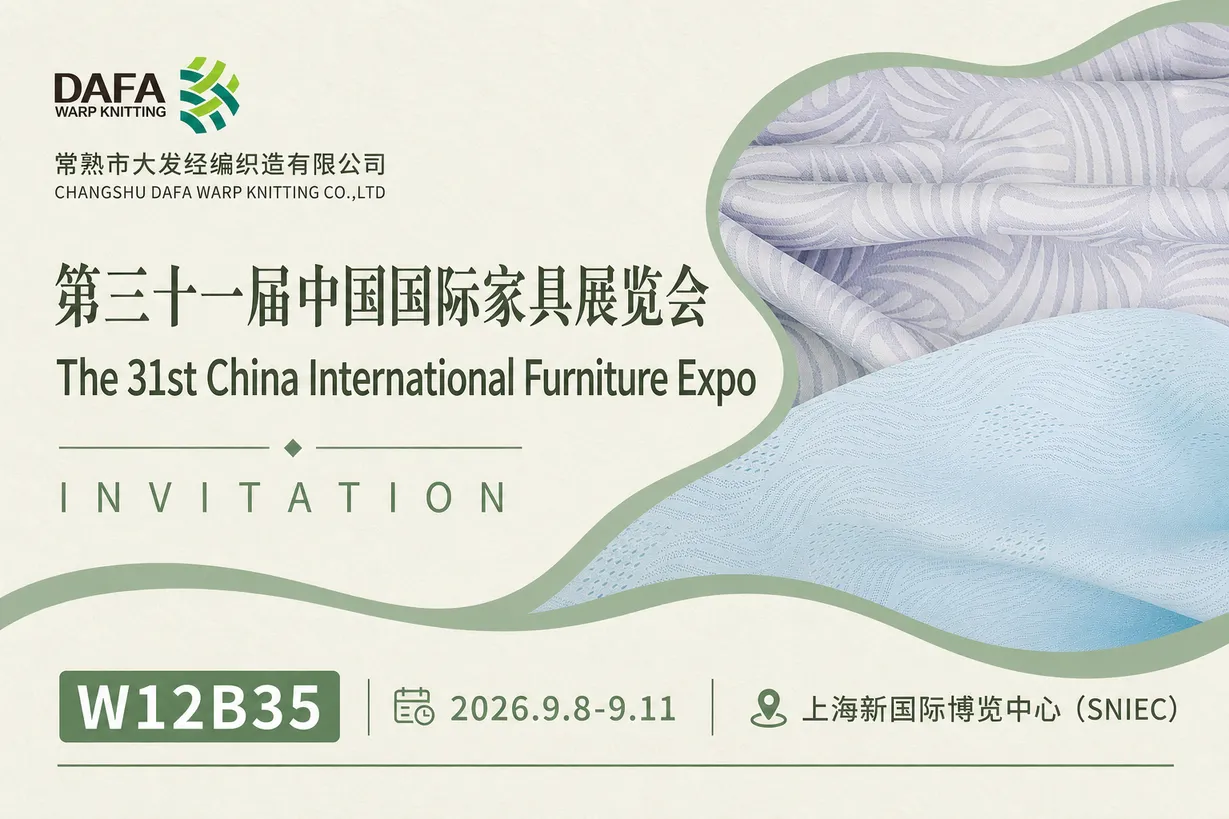
Changshu Dafa Warp Knitting to Showcase 3D Spacer Fabric Sleep Solutions at the 31st China International Furniture Expo

10

Sep

Changshu Dafa Warp Knitting to Showcase 3D Spacer Fabric Sleep Solutions at the 31st China International Furniture Expo

View More

Get a Free Quote

Our representative will contact you soon.
Name
Company Name
Email
Mobile
Message
0/1000

recycled kimono fabric

Premium Quality from Historic Garments

Premium Quality from Historic Garments

Recycled kimono fabric originates from authentic, vintage Japanese garments constructed using traditional weaving and dyeing techniques refined over generations. This heritage foundation ensures that recycled kimono fabric maintains exceptional quality standards that surpass many contemporary textile alternatives. The fibers sourced from vintage kimonos have already proven their resilience through decades of actual use, meaning recycled kimono fabric selected for production has been naturally pre-tested for durability and performance. The inherent strength of traditional silk and cotton used in authentic kimonos translates directly into recycled kimono fabric products that resist pilling, fading, and deterioration. This quality advantage means that garments and furnishings crafted from recycled kimono fabric retain their appearance and structural integrity for significantly longer periods, providing superior value over time. Customers choosing recycled kimono fabric invest in longevity rather than disposable fashion, supporting sustainable consumption patterns while enjoying tangible performance benefits that justify premium pricing and foster customer loyalty.
Authentic Aesthetic and Cultural Preservation

Authentic Aesthetic and Cultural Preservation

Recycled kimono fabric preserves authentic visual characteristics impossible to replicate through industrial manufacturing processes, offering designers and consumers genuine cultural artifacts transformed into contemporary applications. Each piece of recycled kimono fabric carries distinctive patterns, hand-dyed variations, and weave nuances that celebrate Japanese artistic traditions while supporting artisanal communities. The unique qualities embedded in recycled kimono fabric cannot be mass-produced, ensuring that products created from this material possess genuine individuality and storytelling potential that resonates with culturally conscious consumers. Beyond aesthetics, recycled kimono fabric contributes directly to cultural preservation by sustaining traditional knowledge systems and preventing valuable heritage items from entering landfills. By choosing recycled kimono fabric, customers actively participate in conservation efforts that honor Japanese textile artistry while supporting craftspeople dedicated to maintaining ancestral techniques. This meaningful connection between consumption and cultural stewardship transforms recycled kimono fabric from mere material into a vehicle for preserving human heritage and traditional practices for future generations.
Environmental Responsibility and Sustainability Benefits

Environmental Responsibility and Sustainability Benefits

Recycled kimono fabric represents a tangible commitment to environmental stewardship, eliminating the resource-intensive processes associated with conventional textile production. The creation of recycled kimono fabric requires substantially less water, energy, and chemical inputs compared to manufacturing virgin fabrics, resulting in measurable reductions in carbon emissions and environmental degradation. By transforming existing garments into recycled kimono fabric, manufacturers prevent textile waste from accumulating in landfills where decomposition releases methane and other harmful compounds into the atmosphere. The sustainability advantage of recycled kimono fabric extends throughout its lifecycle, as the material's exceptional durability means end products remain functional for extended periods, reducing overall consumption rates and resource demands. This circular approach to textile production positions recycled kimono fabric as a cornerstone of sustainable fashion and design practices, enabling conscientious consumers to reduce their environmental footprint without compromising on quality or aesthetic preferences. Selecting recycled kimono fabric demonstrates commitment to responsible consumption patterns that align with contemporary environmental imperatives and global sustainability objectives.

Get a Free Quote

Our representative will contact you soon.
Name
Company Name
Email
Mobile
Message
0/1000