automotive roof lining material
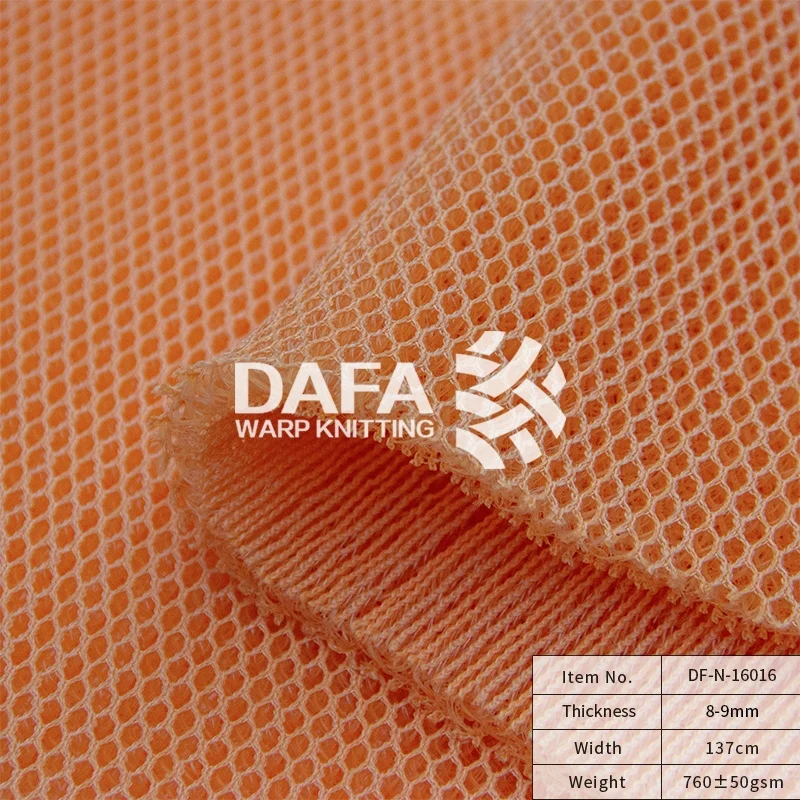
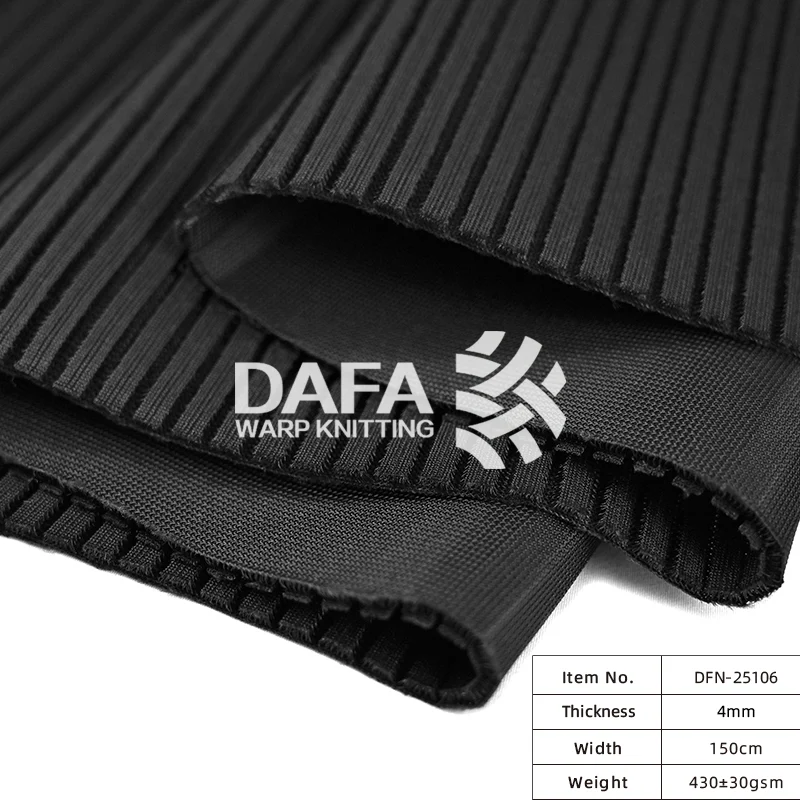
Automotive roof lining material represents a critical component in vehicle interior design, serving multiple essential functions that enhance both comfort and vehicle performance. This specialized material, known as automotive roof lining material, is engineered to provide superior acoustic insulation, thermal regulation, and aesthetic appeal within the vehicle cabin. The primary function of automotive roof lining material involves sound dampening, which reduces road noise and external vibrations that enter the passenger compartment, creating a quieter driving environment. Additionally, automotive roof lining material offers thermal insulation properties, helping maintain comfortable cabin temperatures by minimizing heat transfer from the roof during hot weather and retaining warmth during cold conditions. The technological features of modern automotive roof lining material include advanced composite construction, flame-retardant properties, and UV-resistant treatments that ensure durability and safety compliance. These materials typically incorporate multi-layer construction combining foam, non-woven fabrics, and protective coatings that work synergistically to deliver optimal performance. Automotive roof lining material is manufactured using innovative bonding techniques that ensure long-lasting adhesion to vehicle roof structures without deterioration. Applications for automotive roof lining material span across all vehicle segments, from economy cars to luxury sedans and commercial vehicles, where interior quality directly influences customer satisfaction and brand perception. The material demonstrates exceptional resistance to moisture, temperature fluctuations, and chemical exposure, making it suitable for diverse climates and driving conditions. Modern automotive roof lining material also meets stringent automotive industry standards for safety, emissions, and environmental sustainability, reflecting contemporary manufacturing best practices and consumer expectations.

 EN
EN