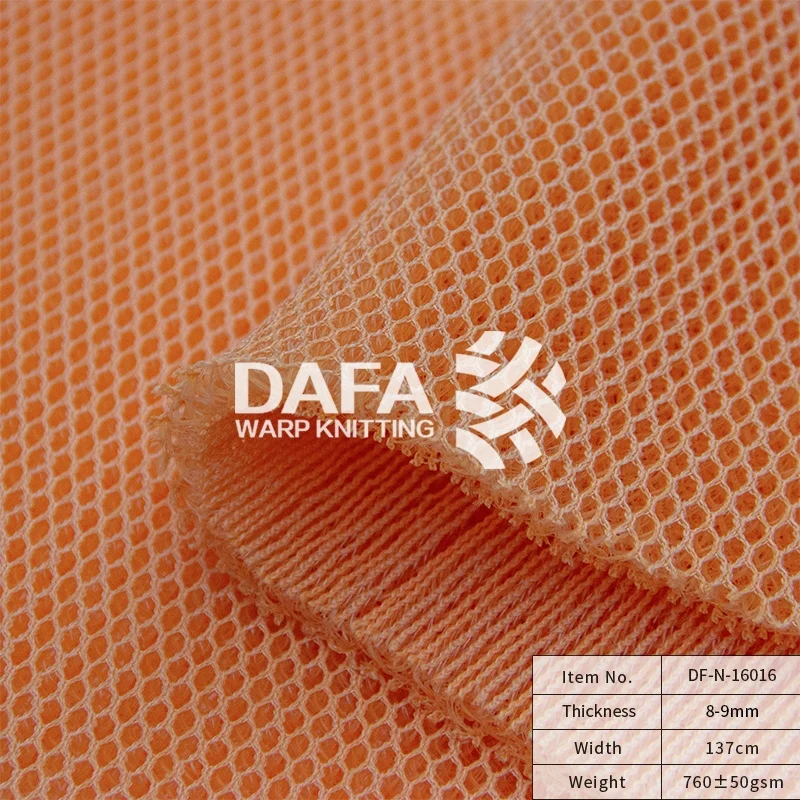
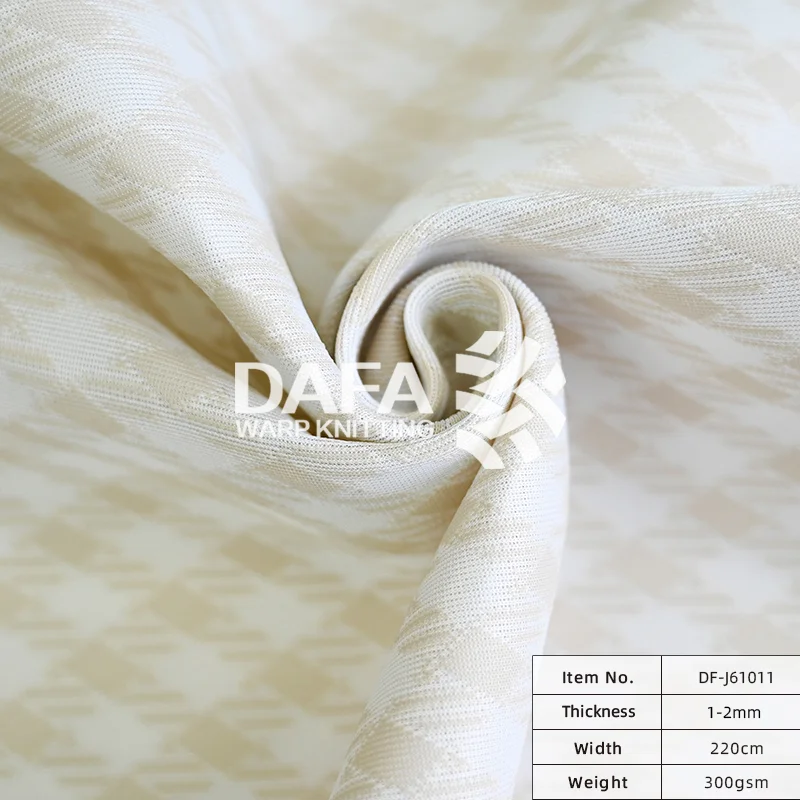
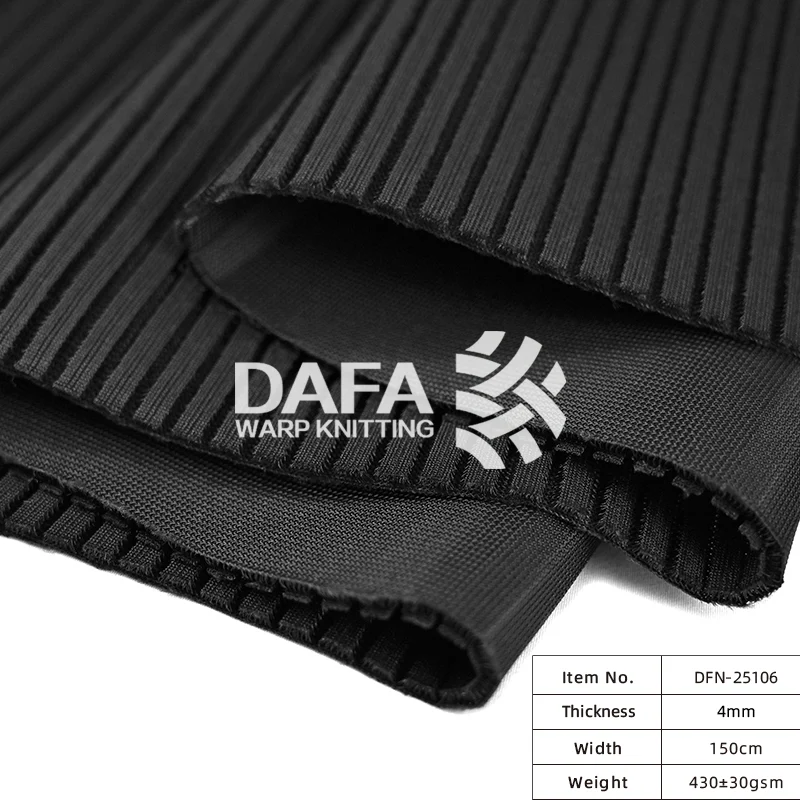
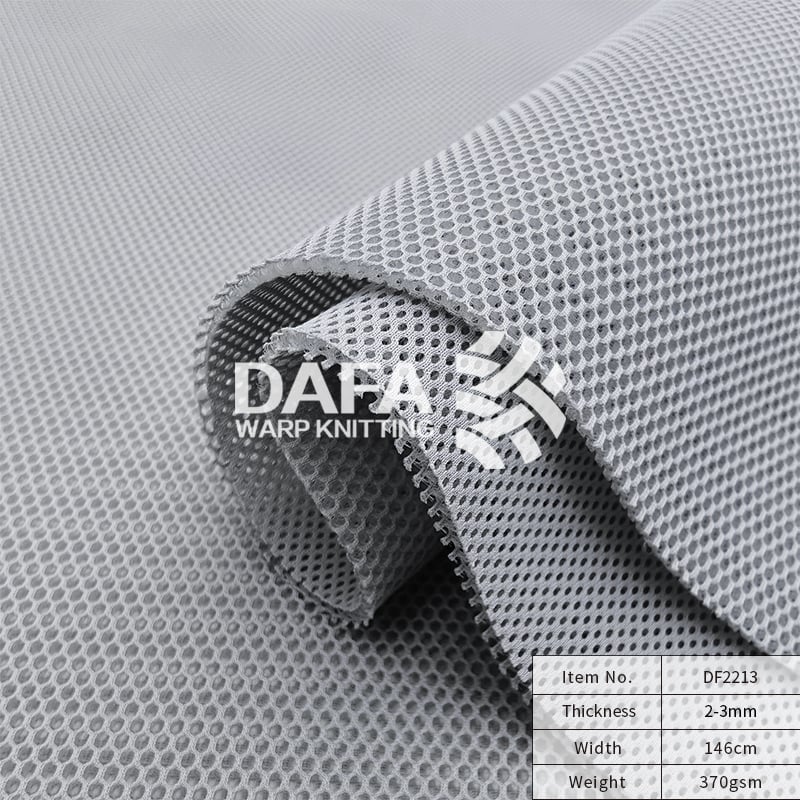
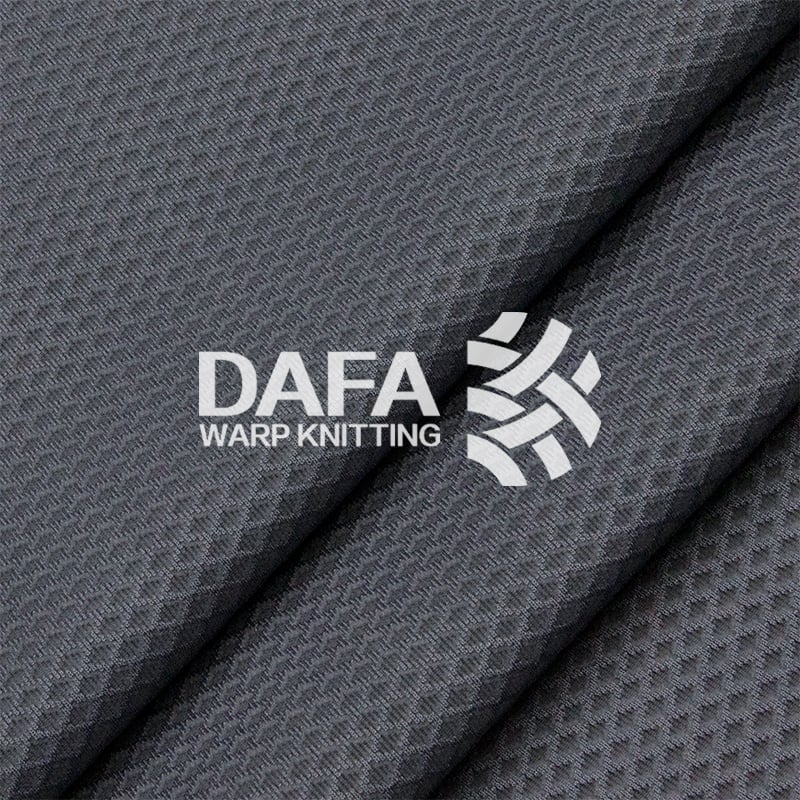
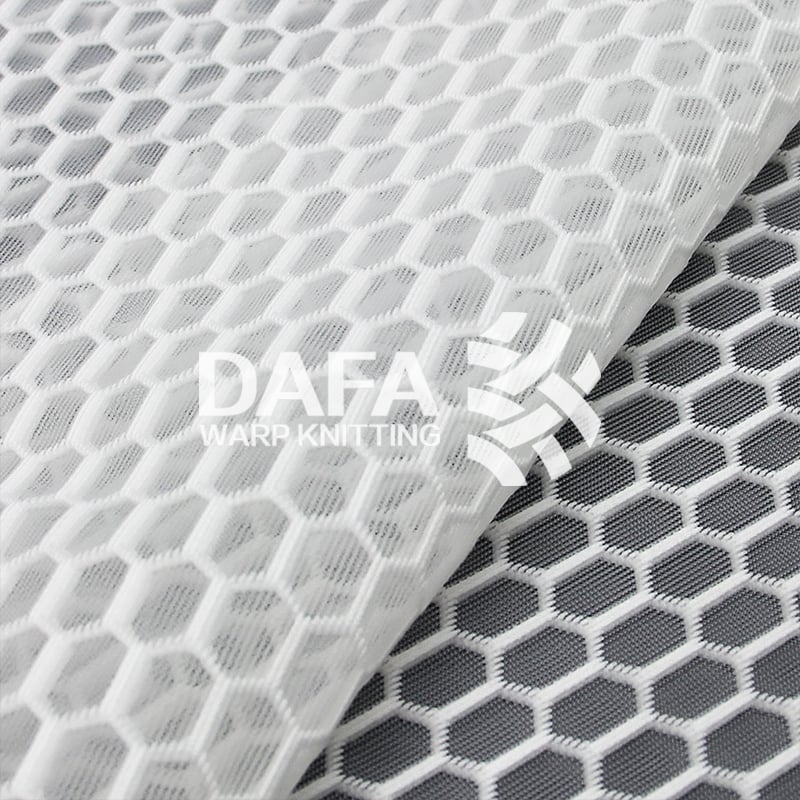
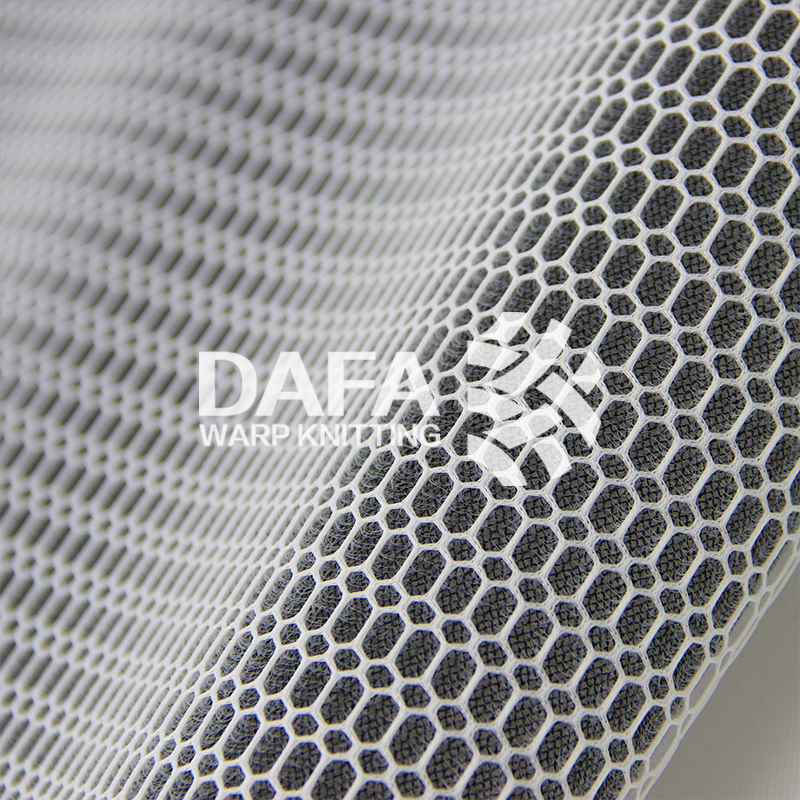
3D Mesh Material: Lightweight & Durable

All Categories

3d mesh material

3D mesh material represents a revolutionary advancement in modern manufacturing and design applications. This innovative material combines three-dimensional lattice structures with advanced polymer or composite formulations to create lightweight yet durable solutions. The 3d mesh material functions by distributing stress evenly across its interconnected network of strands, providing exceptional strength-to-weight ratios. Technologically, 3d mesh material incorporates precision-engineered void spaces that reduce overall mass while maintaining structural integrity. These carefully designed gaps allow for optimal airflow, thermal regulation, and fluid passage throughout the material composition. The manufacturing process behind 3d mesh material involves additive techniques and advanced weaving methods that ensure consistent quality and customization possibilities. Applications for 3d mesh material span across diverse industries including aerospace, automotive, medical devices, athletic equipment, and industrial filtration systems. In aerospace, 3d mesh material reduces aircraft weight, improving fuel efficiency and performance metrics. Medical professionals utilize 3d mesh material for implants and surgical applications where biocompatibility becomes essential. The material's versatility in 3d mesh material production allows manufacturers to adjust density, pore size, and material composition based on specific project requirements. Industries increasingly recognize that 3d mesh material delivers superior performance compared to traditional solid materials, offering cost-effective solutions without compromising quality or reliability for demanding applications.

New Products

The advantages of 3d mesh material extend far beyond conventional material options, offering transformative benefits for businesses and consumers alike. First, 3d mesh material dramatically reduces product weight without sacrificing strength, which directly translates to lower transportation costs, improved fuel economy in vehicles, and enhanced user comfort in wearable applications. The operational benefits prove substantial; manufacturers utilizing 3d mesh material experience faster production cycles and reduced material waste, improving profit margins significantly. Second, 3d mesh material enables superior thermal management through its open structure, allowing air circulation that prevents heat buildup in critical components. This thermal advantage proves invaluable in electronics, automotive cooling systems, and industrial equipment where temperature control directly impacts performance and longevity. Third, the customization potential of 3d mesh material allows engineers to tailor porosity, thickness, and material composition to exact specifications, ensuring optimal performance for each unique application. Fourth, 3d mesh material provides excellent filtration capabilities, making it ideal for water purification, air filtration, and industrial separation processes. The material's biocompatible variants of 3d mesh material support medical applications including orthopedic implants and wound care products. Additionally, 3d mesh material demonstrates exceptional durability and longevity, reducing replacement frequency and total cost of ownership. For customers evaluating options, 3d mesh material offers sustainable benefits through reduced material consumption and recyclability potential. The versatility ensures that 3d mesh material serves industries ranging from healthcare to manufacturing, providing practical solutions that enhance product performance while maintaining economic viability and environmental responsibility.

Tips And Tricks

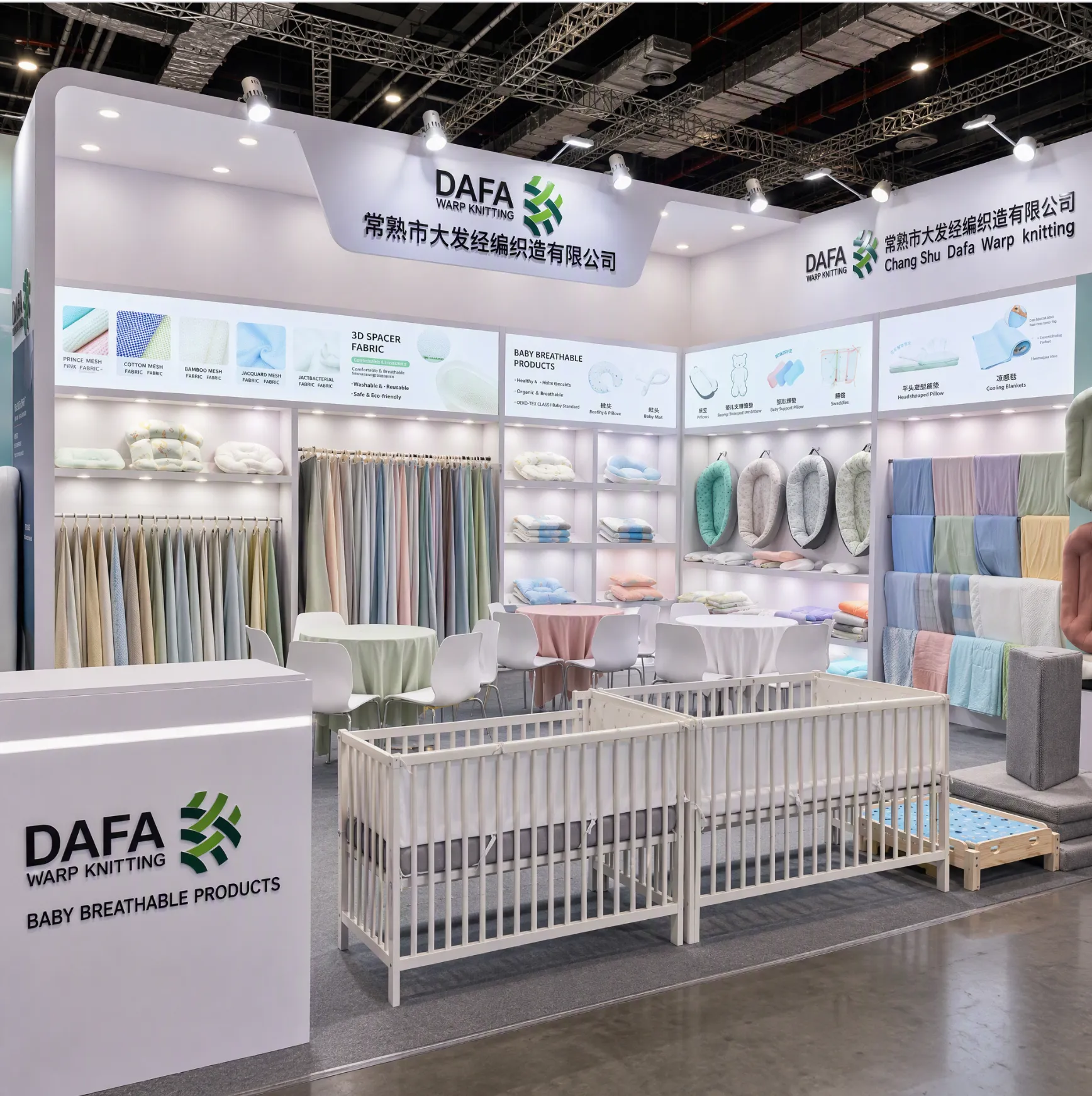
Changshu Dafa Warp Knitting Successfully Showcases Breathable Baby Products at CBME 2026

10

Sep

Changshu Dafa Warp Knitting Successfully Showcases Breathable Baby Products at CBME 2026

View More
Changshu Dafa Warp Knitting to Showcase 3D Spacer Air Mesh Baby Sleep Collection at Kind + Jugend 2026

28

Sep

Changshu Dafa Warp Knitting to Showcase 3D Spacer Air Mesh Baby Sleep Collection at Kind + Jugend 2026

View More
Changshu Dafa Warp Knitting to Showcase 3D Spacer Fabric Sleep Solutions at the 31st China International Furniture Expo

10

Sep

Changshu Dafa Warp Knitting to Showcase 3D Spacer Fabric Sleep Solutions at the 31st China International Furniture Expo

View More

Get a Free Quote

Our representative will contact you soon.
Name
Company Name
Email
Mobile
Message
0/1000

3d mesh material

Lightweight Strength and Durability

Lightweight Strength and Durability

The defining characteristic of 3d mesh material lies in its extraordinary strength-to-weight ratio. Unlike traditional solid materials, 3d mesh material achieves impressive load-bearing capacity through its intelligently engineered lattice architecture. This unique structural design distributes forces evenly across interconnected strands, creating a material that remains strong while using significantly less raw material. For aerospace applications, this property of 3d mesh material translates directly into reduced fuel consumption and increased payload capacity. Automotive manufacturers benefit from 3d mesh material's lightweight properties, which improve acceleration, braking efficiency, and overall vehicle handling. In sporting equipment, 3d mesh material enables production of protective gear that shields athletes without restricting movement or adding excessive weight. Medical device manufacturers leverage 3d mesh material's durability to create reliable implants that withstand years of bodily stress. The exceptional durability of 3d mesh material ensures products maintain performance integrity throughout extended service lifespans, reducing warranty claims and replacement expenses. Industries consistently report that products manufactured with 3d mesh material outperform competitors using traditional materials.
Superior Thermal and Fluid Management

Superior Thermal and Fluid Management

3d mesh material excels at thermal regulation and fluid passage due to its open-network structure with precisely engineered void spaces. The interconnected pores within 3d mesh material facilitate efficient airflow, preventing dangerous heat accumulation in electronics and industrial machinery. This thermal management capability transforms 3d mesh material into an essential component for applications requiring active cooling, from high-performance computing systems to automotive engine components. The fluid management properties of 3d mesh material make it exceptionally valuable in filtration applications, where the material's consistent pore structure ensures reliable contaminant removal while minimizing pressure drop. Water treatment facilities increasingly specify 3d mesh material for superior filtration performance compared to traditional filter media. In medical applications, 3d mesh material's fluid compatibility supports wound drainage and bio-integration, making it ideal for advanced dressing materials. The predictable flow characteristics of 3d mesh material enable engineers to optimize system designs with confidence. Industries dependent on precise fluid or thermal control recognize 3d mesh material as a game-changing solution that improves operational efficiency while reducing energy consumption.
Customization and Versatile Applications

Customization and Versatile Applications

3d mesh material stands apart through its exceptional customization capabilities, allowing manufacturers to precisely tailor material properties for specific applications. Engineers designing with 3d mesh material can adjust porosity levels, strand diameter, pore size distribution, and material composition to achieve exact performance targets. This flexibility of 3d mesh material eliminates the need for compromises between competing design requirements. In medical applications, 3d mesh material can be engineered for specific biocompatibility profiles, ensuring optimal integration with human tissue. Aerospace designers utilize 3d mesh material's customization potential to create components matching exact weight and performance specifications for different aircraft systems. The versatility of 3d mesh material extends across industrial filtration, where specific contaminant sizes demand precise pore geometry. Automotive engineers leverage 3d mesh material's adaptability for thermal management components, acoustic dampening materials, and structural reinforcement applications. Manufacturers report that 3d mesh material's customization capabilities reduce development timelines by enabling direct production of optimized solutions rather than settling for off-the-shelf compromises. The ability to modify 3d mesh material properties at the manufacturing stage represents genuine competitive advantage in demanding industries.

Get a Free Quote

Our representative will contact you soon.
Name
Company Name
Email
Mobile
Message
0/1000