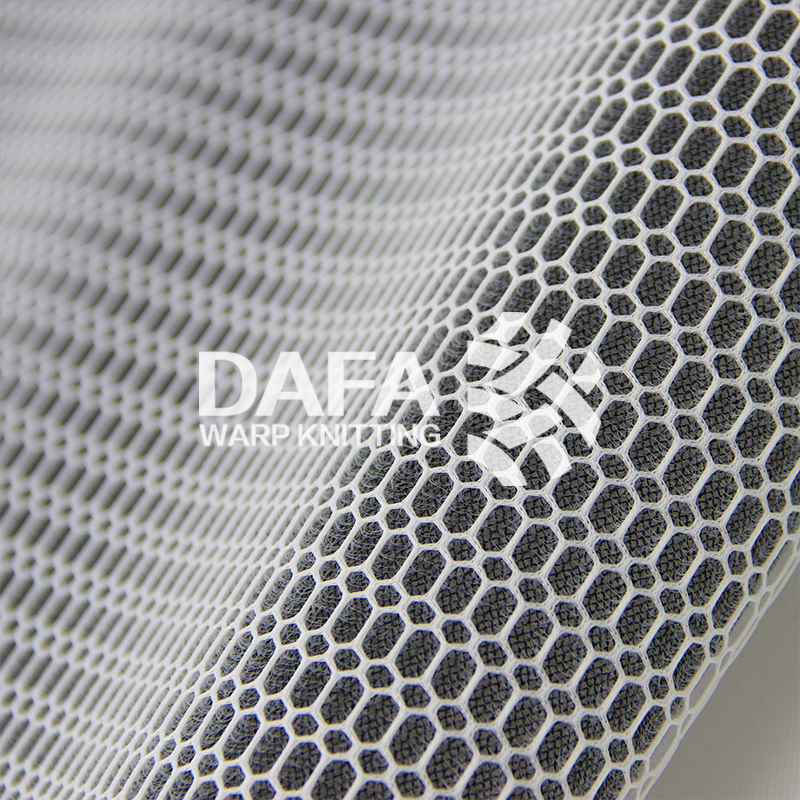
Bamboo Material Fabric - Sustainable Comfort

All Categories

bamboo material fabric

Bamboo material fabric represents a revolutionary textile innovation that transforms natural bamboo resources into luxurious, sustainable fibers. This eco-friendly fabric originates from bamboo pulp, which undergoes a specialized closed-loop production process to create soft, breathable material. The bamboo material fabric exhibits exceptional moisture-wicking properties, naturally regulating body temperature and drawing perspiration away from skin. Its technological features include a smooth surface that reduces friction, minimizing the risk of skin irritation and allergens. The bamboo material fabric demonstrates superior breathability compared to conventional cotton, making it ideal for warm climates and active wear applications. This innovative textile combines strength with delicate handling characteristics, allowing manufacturers to produce garments that maintain durability without sacrificing comfort. The production of bamboo material fabric utilizes significantly less water than traditional cotton farming, contributing to environmental sustainability. The fabric's natural antimicrobial properties inhibit bacterial growth, extending garment freshness between washes. Applications of bamboo material fabric range from intimate apparel and sleepwear to athletic wear, home textiles, and medical-grade garments. The fabric's versatility enables blending with other fibers to enhance specific performance characteristics. Bamboo material fabric continues gaining popularity across the fashion and wellness industries due to its combination of comfort, sustainability, and health benefits, making it a preferred choice for conscious consumers seeking quality and environmental responsibility.
New Products

Bamboo material fabric delivers exceptional value through multiple practical benefits that directly enhance daily comfort and lifestyle quality. The most significant advantage lies in its superior softness and smooth texture, which provides gentle skin contact without irritation, making it particularly suitable for sensitive skin conditions and dermatological concerns. This fabric naturally regulates temperature fluctuations, keeping wearers cool during warm seasons while maintaining warmth when needed, eliminating the need for multiple seasonal wardrobe changes. Bamboo material fabric offers outstanding moisture management capabilities, absorbing up to three times more moisture than cotton while maintaining a dry sensation against skin. From an operational perspective, garments made from bamboo material fabric require minimal maintenance, maintaining their quality through fewer washing cycles and lower drying temperatures. The environmental sustainability of bamboo material fabric appeals to eco-conscious consumers, knowing their purchases support responsible manufacturing practices that preserve water resources and reduce chemical pollution. The hypoallergenic nature of bamboo material fabric prevents allergic reactions and reduces odor development naturally, extending wear comfort between washes. Cost-effectiveness emerges as another compelling advantage, as bamboo material fabric durability reduces replacement frequency, delivering better long-term value than conventional alternatives. The fabric's natural UV protection properties safeguard skin during outdoor activities, providing additional wellness benefits. For families and healthcare providers, bamboo material fabric offers peace of mind through its non-toxic composition and absence of harmful chemicals. Whether selecting everyday basics or specialized applications, bamboo material fabric consistently demonstrates why it represents the intelligent choice for comfort-focused, environmentally aware consumers seeking tangible quality improvements.

Tips And Tricks

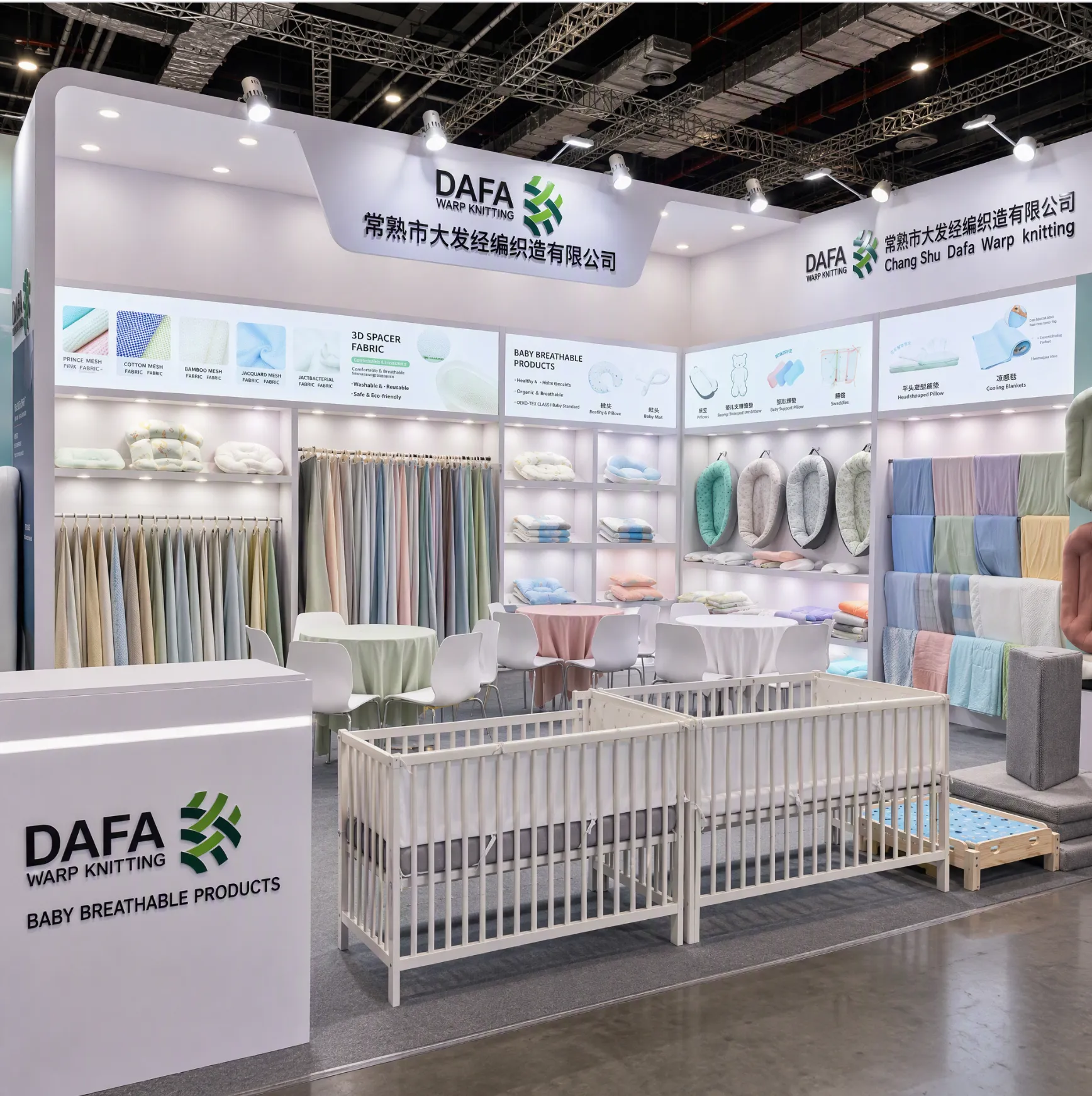
Changshu Dafa Warp Knitting Successfully Showcases Breathable Baby Products at CBME 2026

10

Sep

Changshu Dafa Warp Knitting Successfully Showcases Breathable Baby Products at CBME 2026

View More
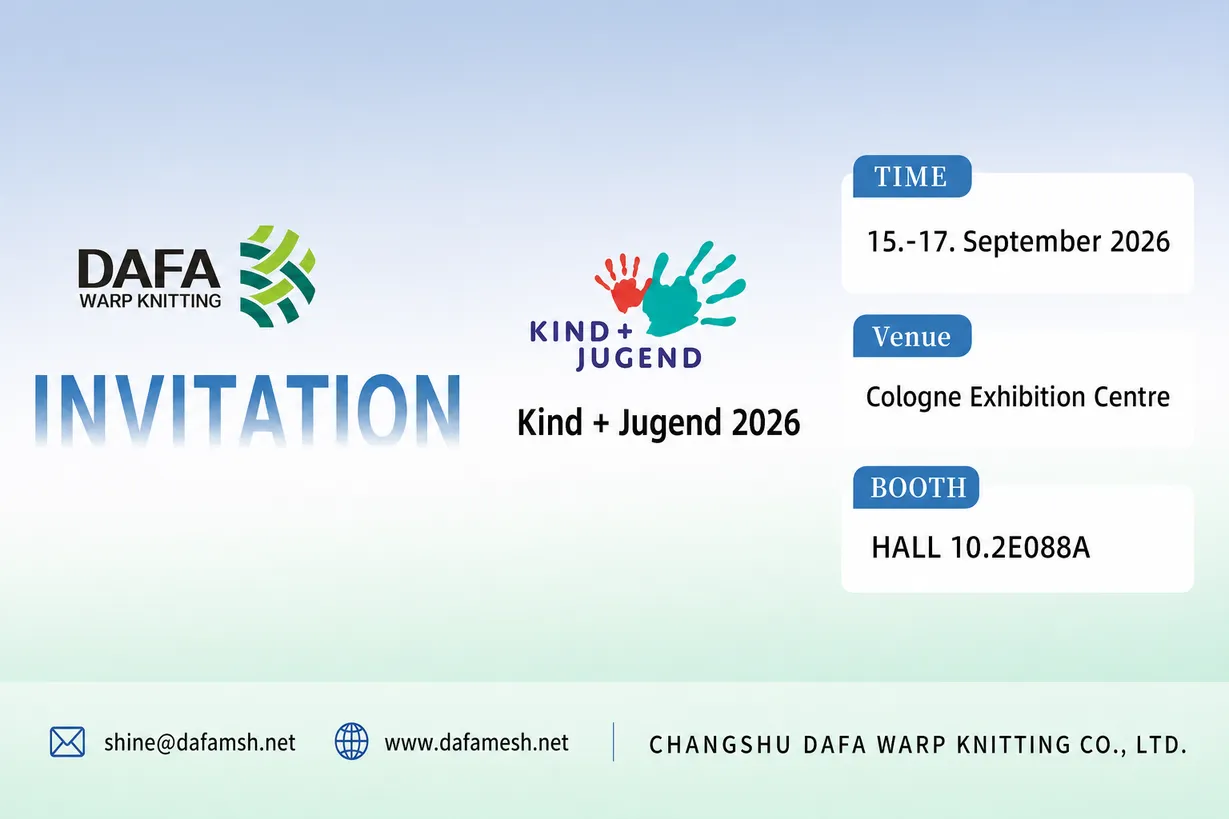
Changshu Dafa Warp Knitting to Showcase 3D Spacer Air Mesh Baby Sleep Collection at Kind + Jugend 2026

28

Sep

Changshu Dafa Warp Knitting to Showcase 3D Spacer Air Mesh Baby Sleep Collection at Kind + Jugend 2026

View More
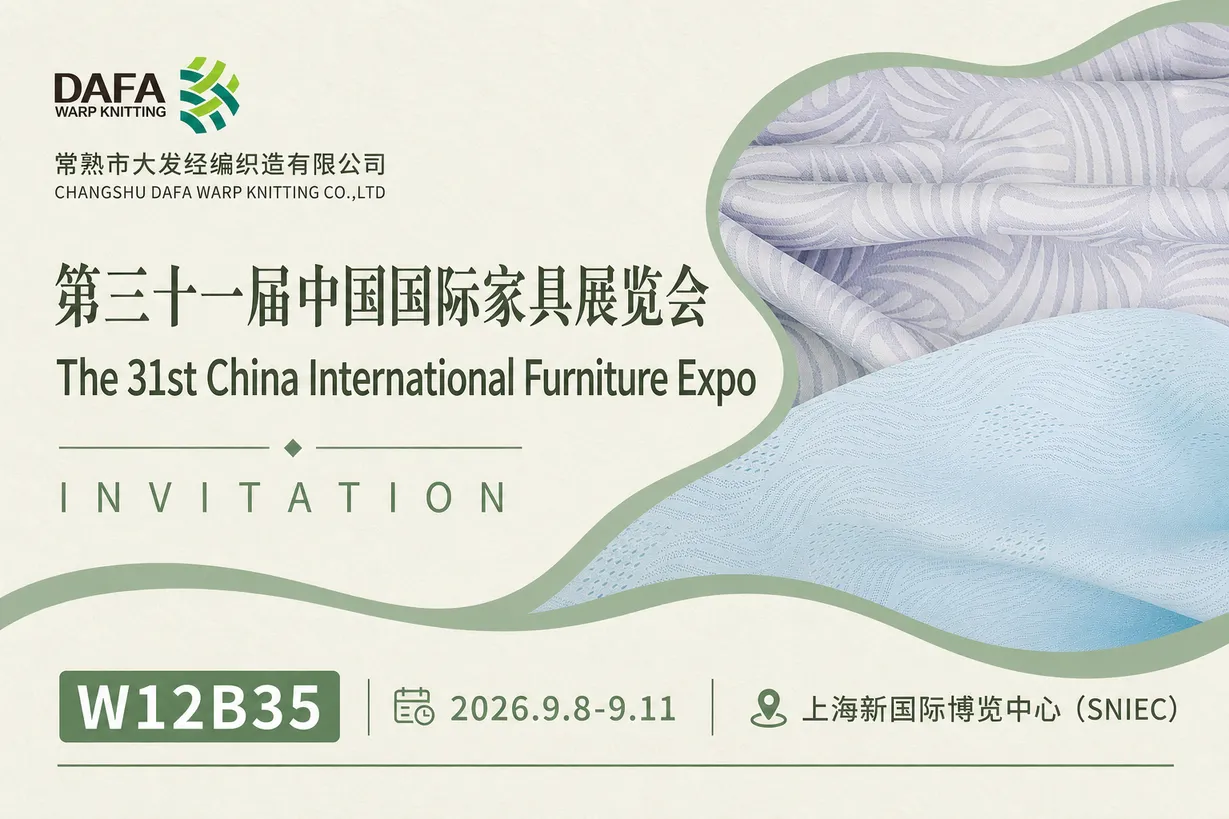
Changshu Dafa Warp Knitting to Showcase 3D Spacer Fabric Sleep Solutions at the 31st China International Furniture Expo

10

Sep

Changshu Dafa Warp Knitting to Showcase 3D Spacer Fabric Sleep Solutions at the 31st China International Furniture Expo

View More

Get a Free Quote

Our representative will contact you soon.
Name
Company Name
Email
Mobile
Message
0/1000

bamboo material fabric

Superior Breathability and Moisture Control

Superior Breathability and Moisture Control

Bamboo material fabric excels in moisture management through its microscopic structure containing numerous micro-gaps that facilitate rapid moisture evaporation and vapor transmission. These natural characteristics enable bamboo material fabric to absorb moisture twenty percent more efficiently than cotton while maintaining a completely dry sensation against skin. The breathability advantage makes bamboo material fabric particularly valuable for athletes, outdoor enthusiasts, and individuals in humid environments who require consistent comfort throughout extended activities. The moisture-wicking properties of bamboo material fabric actively pull perspiration away from skin surface toward fabric exterior where evaporation occurs efficiently. This active moisture control prevents the clammy, uncomfortable sensation associated with traditional synthetic fabrics, while maintaining better temperature regulation than natural alternatives. The breathable nature of bamboo material fabric ensures optimal air circulation, preventing heat buildup and maintaining skin health through improved ventilation, making it the superior choice for performance wear and daily comfort applications.
Natural Hypoallergenic and Antimicrobial Properties

Natural Hypoallergenic and Antimicrobial Properties

Bamboo material fabric possesses inherent hypoallergenic characteristics that make it exceptionally suitable for individuals with sensitive skin, allergies, or dermatological conditions requiring gentle textile contact. The smooth fiber structure of bamboo material fabric eliminates surface irregularities that typically cause skin irritation, while its natural antimicrobial agents inhibit bacterial and fungal growth that generate odors and infections. These antimicrobial properties remain effective through multiple wash cycles, ensuring long-lasting protection without requiring chemical treatments or antimicrobial coatings. The bamboo material fabric naturally resists dust mite colonization, making it ideal for allergy sufferers and individuals requiring hygienic textile solutions. Healthcare facilities increasingly specify bamboo material fabric for patient garments and bedding due to its medical-grade cleanliness standards and non-reactive composition. Unlike treated synthetic alternatives, bamboo material fabric achieves antimicrobial effectiveness through natural fiber composition rather than applied chemicals, ensuring safety for sensitive applications including baby products, medical uniforms, and therapeutic textiles.
Sustainable Production and Environmental Responsibility

Sustainable Production and Environmental Responsibility

Bamboo material fabric represents an environmentally conscious textile choice, utilizing bamboo resources that regenerate without replanting, pesticides, or fertilizers typically required for conventional fiber production. The closed-loop manufacturing process for bamboo material fabric recovers and recycles ninety-nine percent of production chemicals, minimizing environmental impact and water pollution compared to conventional textile manufacturing. Production of bamboo material fabric requires approximately ten times less water than cotton cultivation, addressing critical freshwater resource concerns in water-stressed regions globally. The sustainable advantages of bamboo material fabric extend throughout its lifecycle, as bamboo crops sequester carbon dioxide at higher rates than hardwood forests, contributing positively to climate change mitigation efforts. Biodegradable composition of bamboo material fabric ensures responsible end-of-life disposal without contributing to microplastic pollution affecting oceans and ecosystems. Choosing bamboo material fabric supports manufacturers committed to ethical labor practices and fair-trade principles throughout production chains. The renewable nature of bamboo resources means bamboo material fabric production never depletes finite natural resources, offering infinite sustainability potential for future generations seeking environmentally responsible consumer goods.

Get a Free Quote

Our representative will contact you soon.
Name
Company Name
Email
Mobile
Message
0/1000