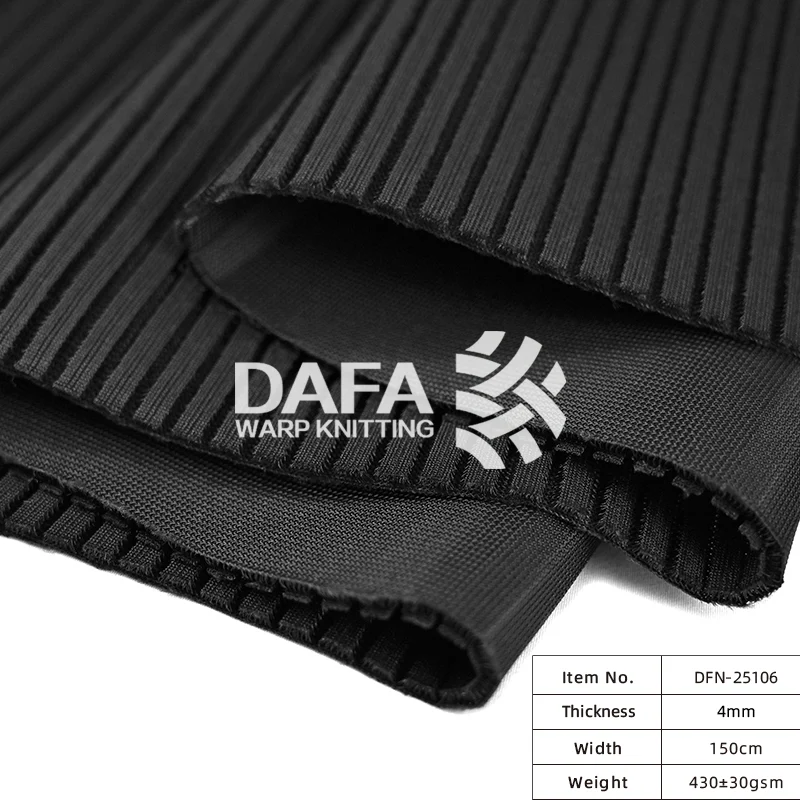
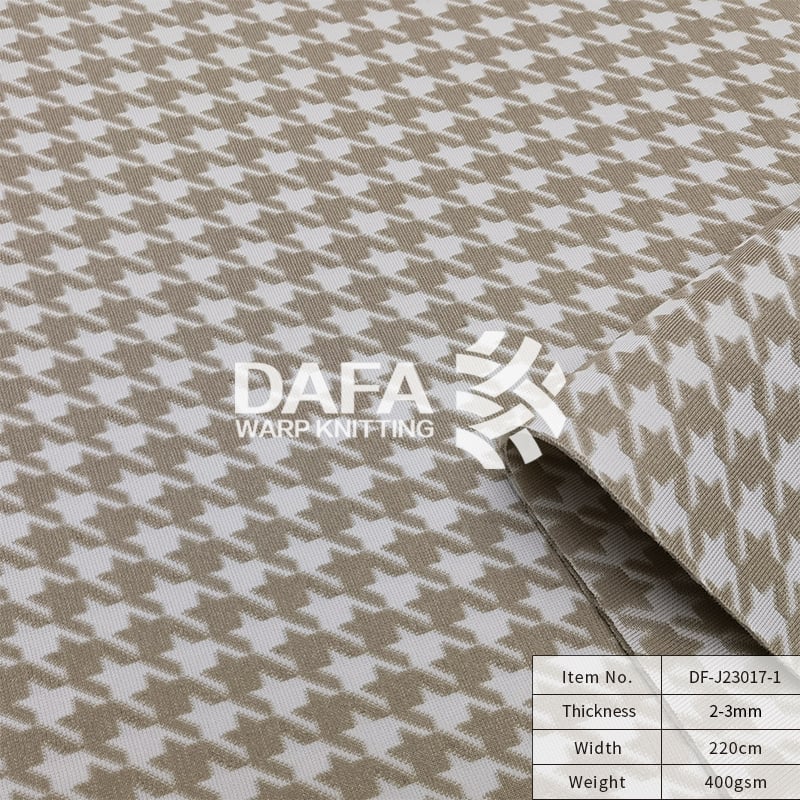
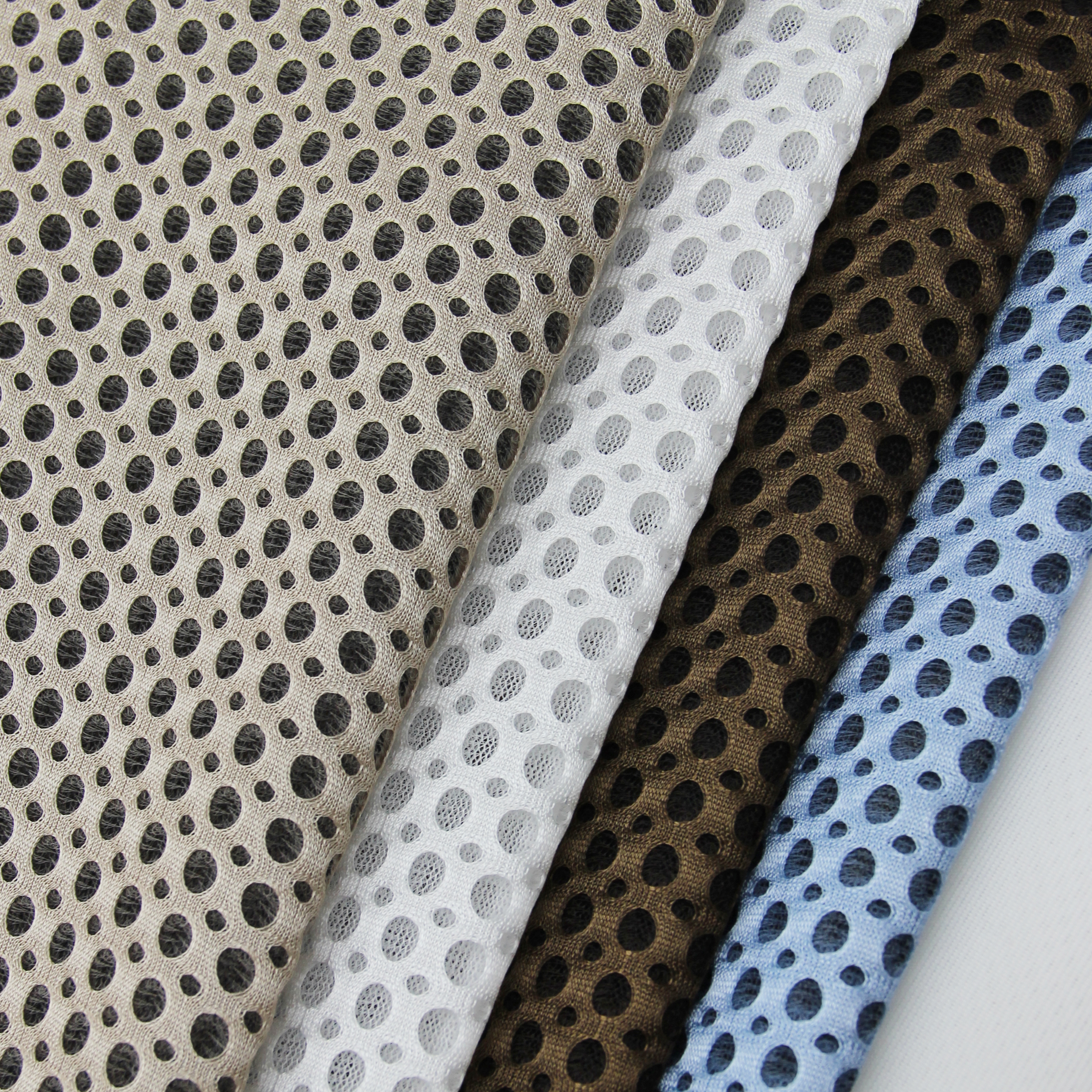
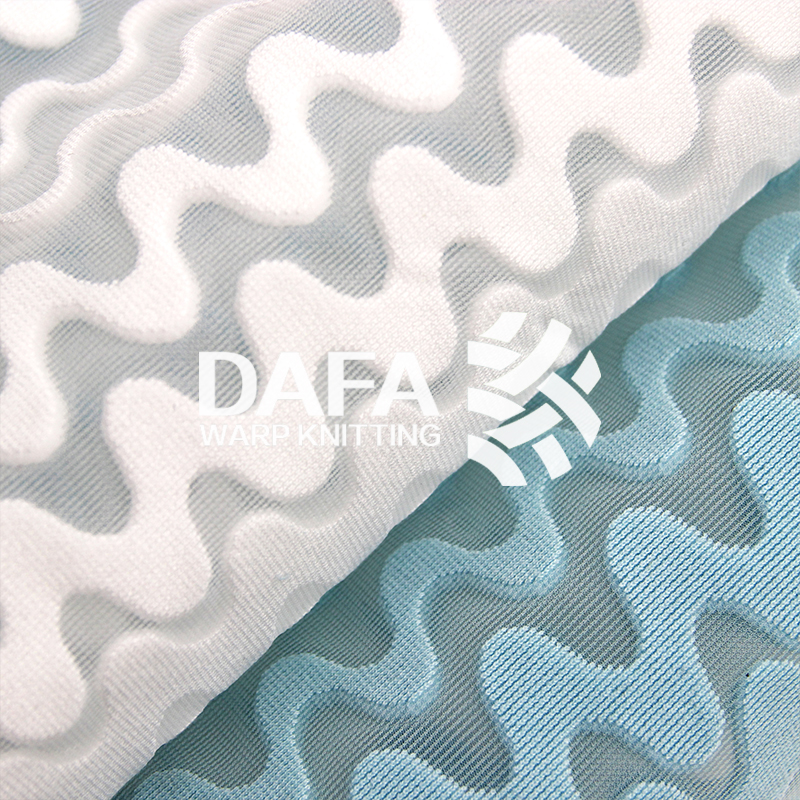
3D Fabric Material: Advanced Textile Solutions

All Categories

3d fabric material

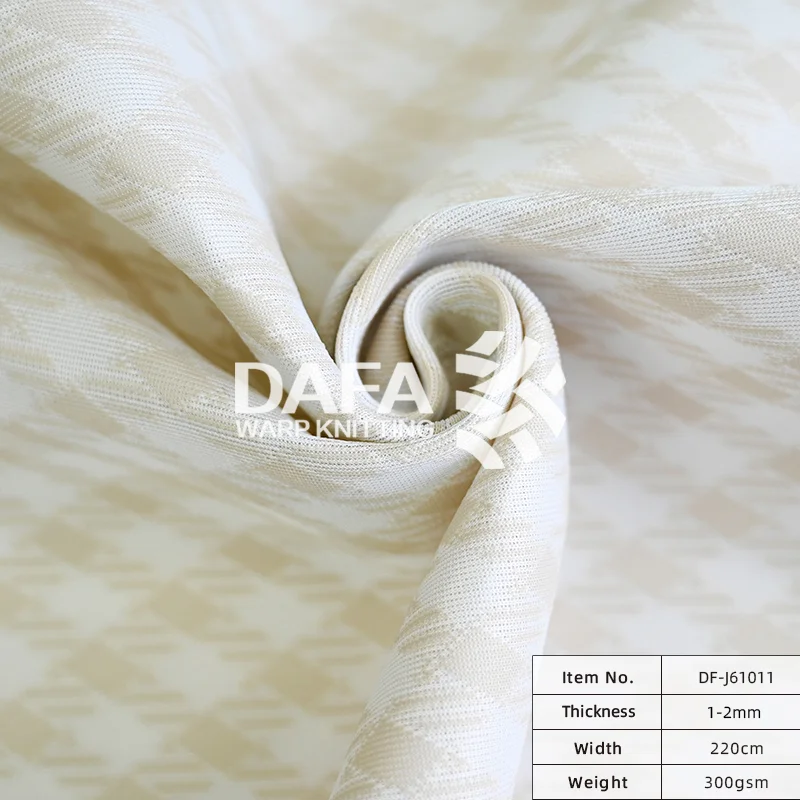
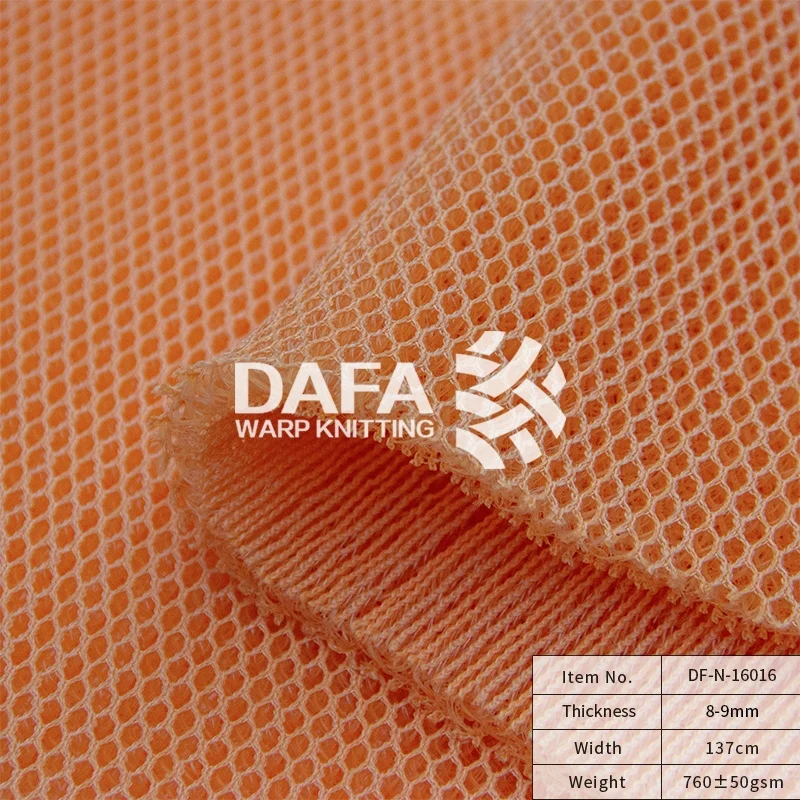
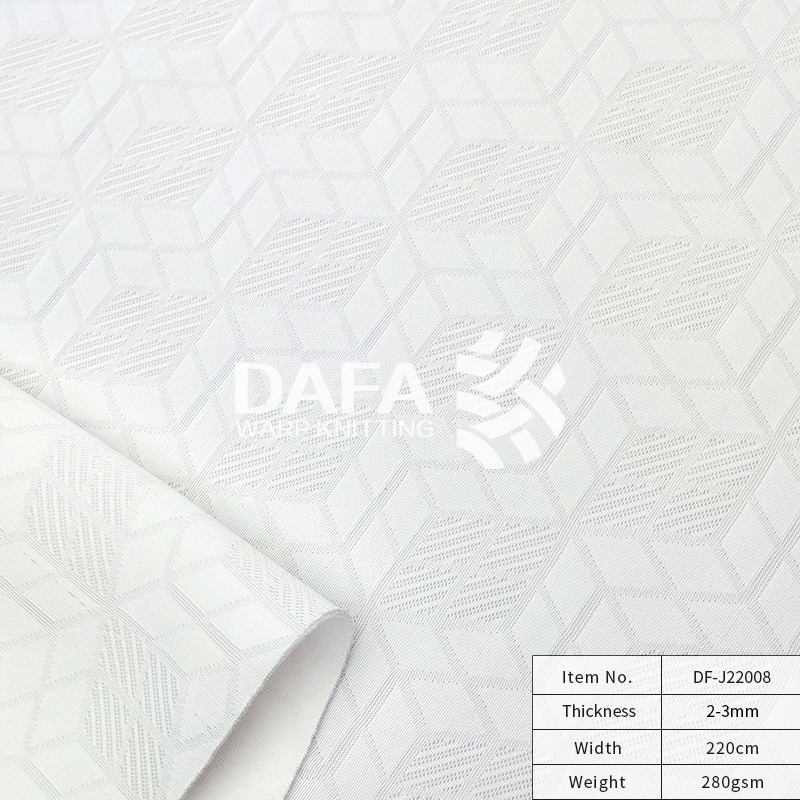
3D fabric material represents an innovative advancement in textile engineering, designed to create multi-layered structures that enhance durability and performance. Unlike traditional flat fabrics, 3D fabric material features interconnected fibers extending vertically and horizontally, creating a three-dimensional matrix. This unique construction allows 3D fabric material to distribute pressure evenly across its surface, making it exceptionally strong yet lightweight. The primary function of 3D fabric material is to provide superior structural integrity while maintaining breathability and flexibility. The technological features of 3D fabric material include advanced knitting or weaving techniques that form air channels throughout the material, enabling moisture vapor transmission and thermal regulation. These channels within 3D fabric material also reduce weight without compromising strength, making it ideal for applications requiring durability. 3D fabric material finds extensive applications across multiple industries. In automotive manufacturing, 3D fabric material is used for interior components, seat cushioning, and padding systems. The aerospace sector leverages 3D fabric material for lightweight composite reinforcement and structural components. In fashion and apparel, 3D fabric material creates ergonomic clothing with enhanced comfort. Medical applications benefit from 3D fabric material in wound dressings and orthopedic supports. Sports equipment manufacturers incorporate 3D fabric material into protective gear and performance apparel. The construction industry utilizes 3D fabric material for insulation and reinforcement purposes, while furniture manufacturers use it for upholstery and structural support systems.
New Product Recommendations

3D fabric material offers substantial practical benefits that directly impact customer satisfaction and operational efficiency. The primary advantage is enhanced durability—3D fabric material resists tearing and abrasion far better than conventional textiles, extending product lifespan significantly. This durability translates to cost savings for consumers and manufacturers alike. Breathability represents another critical operational benefit of 3D fabric material. The three-dimensional structure creates natural air pathways, allowing moisture and heat to escape efficiently. This makes products incorporating 3D fabric material comfortable for extended wear, whether in apparel, automotive seating, or medical applications. Lightweight construction is a major selling point of 3D fabric material. Despite its strength, 3D fabric material weighs considerably less than traditional alternatives, reducing shipping costs and improving product performance in weight-sensitive applications like aerospace and athletic wear. The cushioning properties inherent to 3D fabric material provide superior comfort and support. Products made with 3D fabric material distribute pressure evenly, reducing strain on the body and enhancing user comfort in furniture, bedding, and orthopedic devices. Environmental sustainability is increasingly important, and 3D fabric material supports eco-conscious manufacturing. The efficient production process of 3D fabric material minimizes waste compared to traditional textile production methods. Finally, 3D fabric material offers excellent thermal regulation capabilities. The air channels within 3D fabric material help maintain optimal temperature, making it suitable for diverse climates and seasonal applications. This versatility makes 3D fabric material an intelligent investment for manufacturers serving multiple markets and customer needs.

Practical Tips

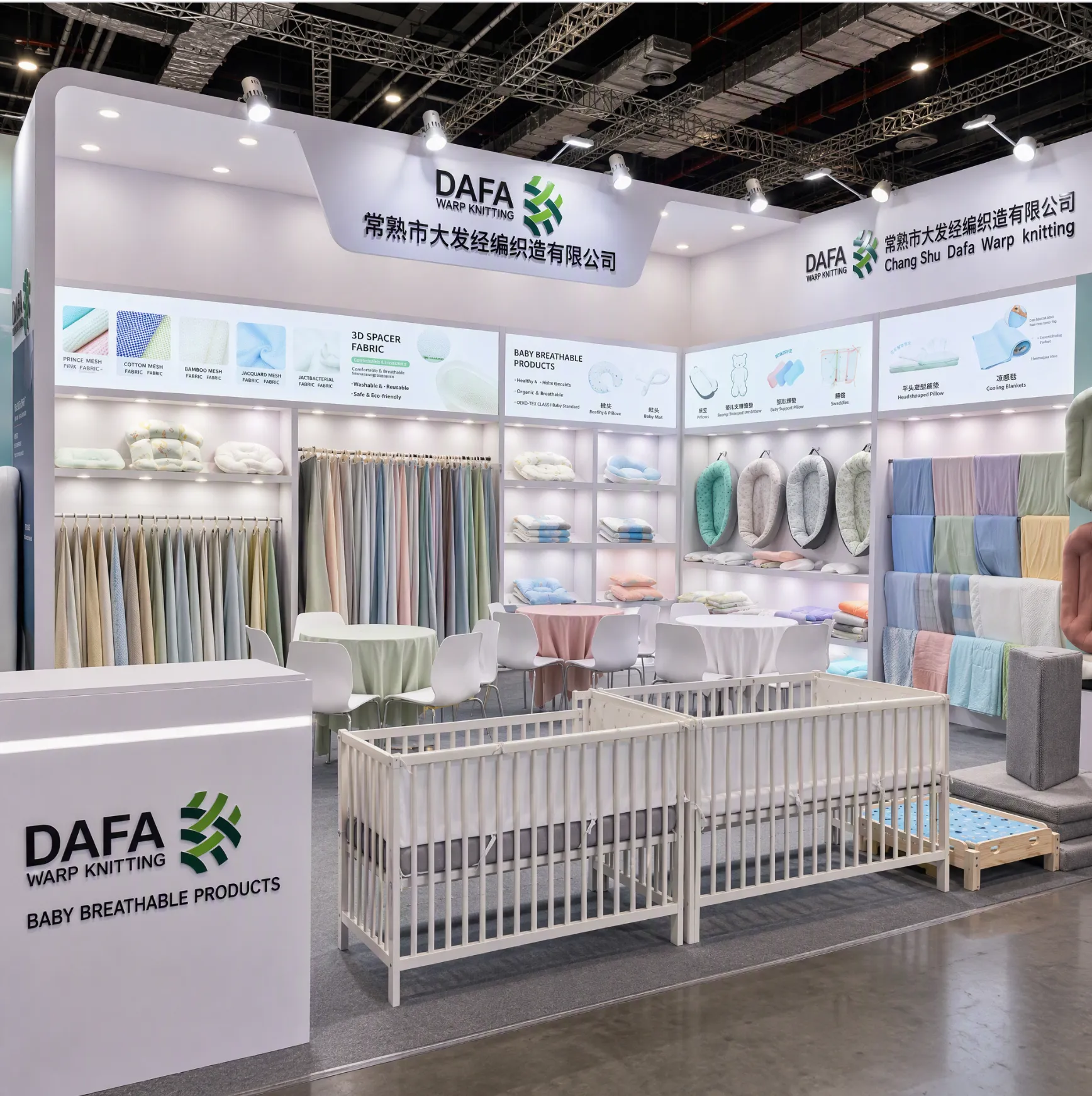
Changshu Dafa Warp Knitting Successfully Showcases Breathable Baby Products at CBME 2026

10

Sep

Changshu Dafa Warp Knitting Successfully Showcases Breathable Baby Products at CBME 2026

View More
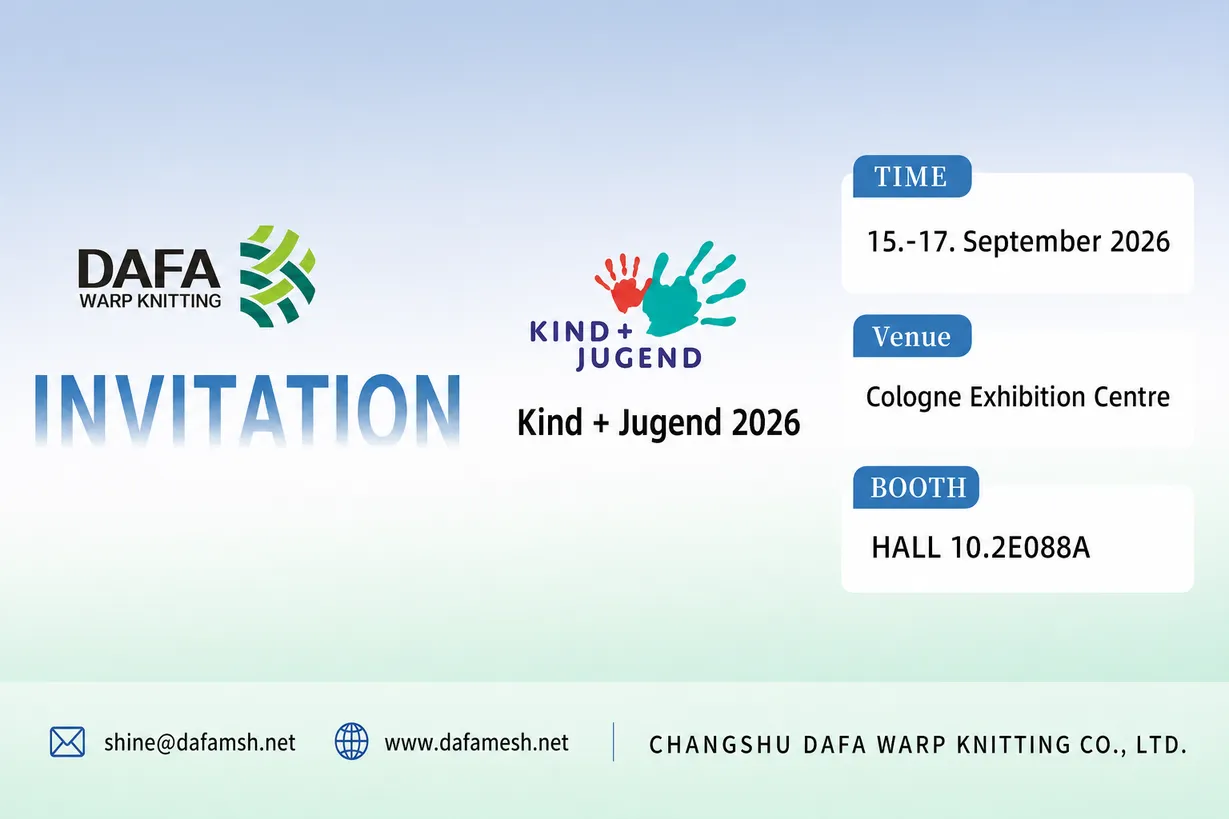
Changshu Dafa Warp Knitting to Showcase 3D Spacer Air Mesh Baby Sleep Collection at Kind + Jugend 2026

28

Sep

Changshu Dafa Warp Knitting to Showcase 3D Spacer Air Mesh Baby Sleep Collection at Kind + Jugend 2026

View More
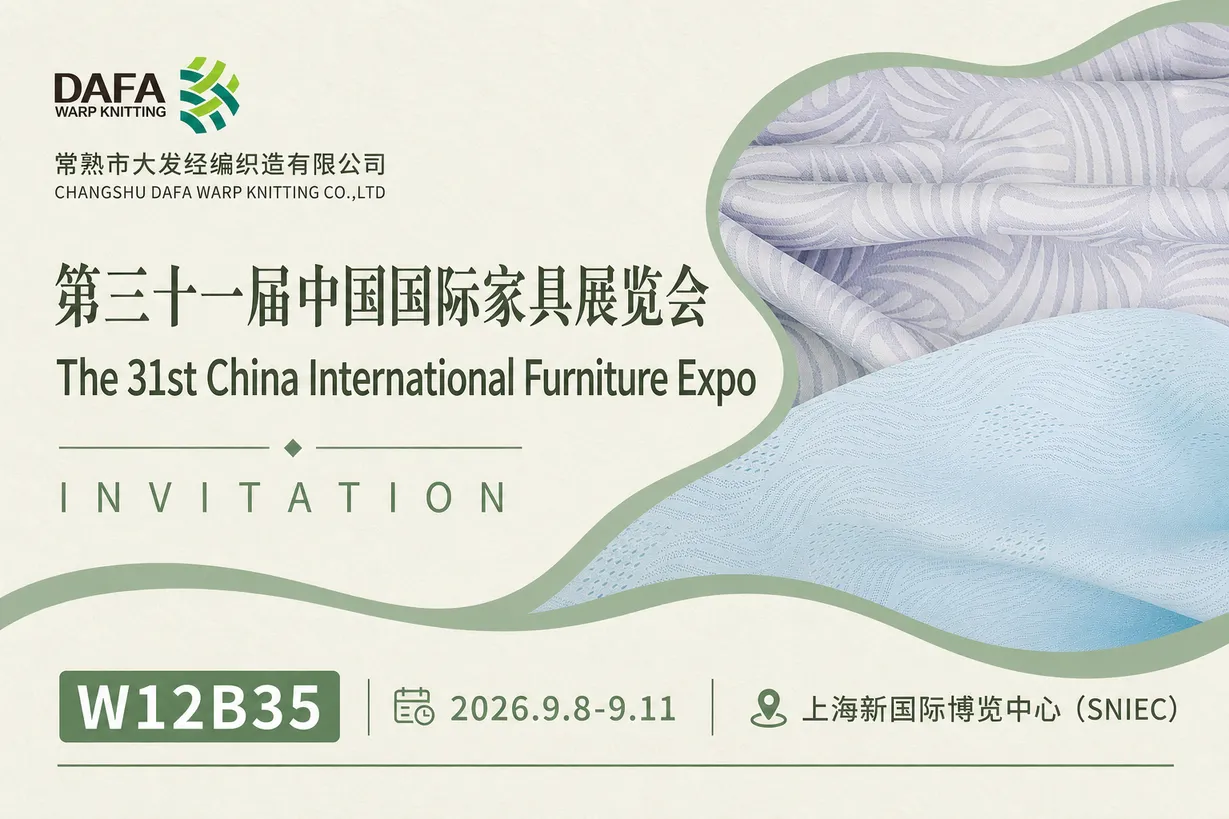
Changshu Dafa Warp Knitting to Showcase 3D Spacer Fabric Sleep Solutions at the 31st China International Furniture Expo

10

Sep

Changshu Dafa Warp Knitting to Showcase 3D Spacer Fabric Sleep Solutions at the 31st China International Furniture Expo

View More

Get a Free Quote

Our representative will contact you soon.
Name
Company Name
Email
Mobile
Message
0/1000

3d fabric material

Superior Durability and Longevity

Superior Durability and Longevity

3D fabric material delivers exceptional durability that outperforms traditional flat textiles in real-world applications. The three-dimensional construction distributes stress across multiple layers and fiber intersections, preventing localized failure points. Products manufactured with 3D fabric material resist punctures, tears, and abrasion significantly better than conventional fabrics. This enhanced durability means items made from 3D fabric material maintain their integrity through extended use, environmental exposure, and repeated washing or cleaning cycles. For consumers, this translates to longer-lasting products and improved return on investment. Manufacturers benefit from reduced warranty claims and customer complaints. In automotive applications, 3D fabric material maintains structural integrity under extreme temperature fluctuations and mechanical stress. Medical applications rely on 3D fabric material's durability to ensure consistent performance in demanding healthcare environments. Whether used in high-traffic upholstery, protective apparel, or industrial components, 3D fabric material proves its value through exceptional longevity and resistance to degradation.
Enhanced Breathability and Moisture Management

Enhanced Breathability and Moisture Management

The innovative structure of 3D fabric material creates inherent air channels that facilitate exceptional breathability and moisture vapor transmission. Unlike compressed traditional fabrics, 3D fabric material maintains consistent porosity throughout its thickness, allowing air circulation from multiple directions. This advanced moisture management capability makes products featuring 3D fabric material ideal for applications requiring extended comfort. In apparel, 3D fabric material keeps wearers dry by efficiently transporting perspiration away from the skin. Athletic wear manufactured with 3D fabric material enhances performance by reducing moisture accumulation. Automotive seating incorporating 3D fabric material prevents sweat buildup during long drives, improving comfort and preventing odor development. Medical applications benefit from 3D fabric material's breathability, reducing skin irritation in wound dressings and orthopedic supports. The thermal regulation properties of 3D fabric material adapt to changing conditions, providing warmth when needed while releasing excess heat during activity. This dynamic breathability makes 3D fabric material suitable for year-round use and diverse climate conditions, ensuring consistent comfort regardless of environmental factors.
Lightweight Construction with Exceptional Strength

Lightweight Construction with Exceptional Strength

3D fabric material achieves an impressive strength-to-weight ratio that conventional textiles simply cannot match. The three-dimensional fiber arrangement creates a robust structural network using significantly less material than traditional flat fabrics. This lightweight characteristic of 3D fabric material dramatically reduces weight without sacrificing performance, making it invaluable for aerospace and automotive applications where every gram impacts efficiency. Products made with 3D fabric material require less energy for transportation and installation, lowering operational costs. The lightweight nature of 3D fabric material also improves user experience—athletes wearing gear made from 3D fabric material enjoy freedom of movement without burden, and furniture upholstered with 3D fabric material remains easy to reposition and handle. In composite applications, 3D fabric material reduces overall component weight while maintaining structural integrity, enabling manufacturers to design lighter, more efficient products. This combination of minimal weight and maximum strength makes 3D fabric material the preferred choice for high-performance applications where material efficiency is paramount. Manufacturers appreciate that 3D fabric material enables design flexibility without performance compromises, creating competitive advantages in competitive markets.

Get a Free Quote

Our representative will contact you soon.
Name
Company Name
Email
Mobile
Message
0/1000