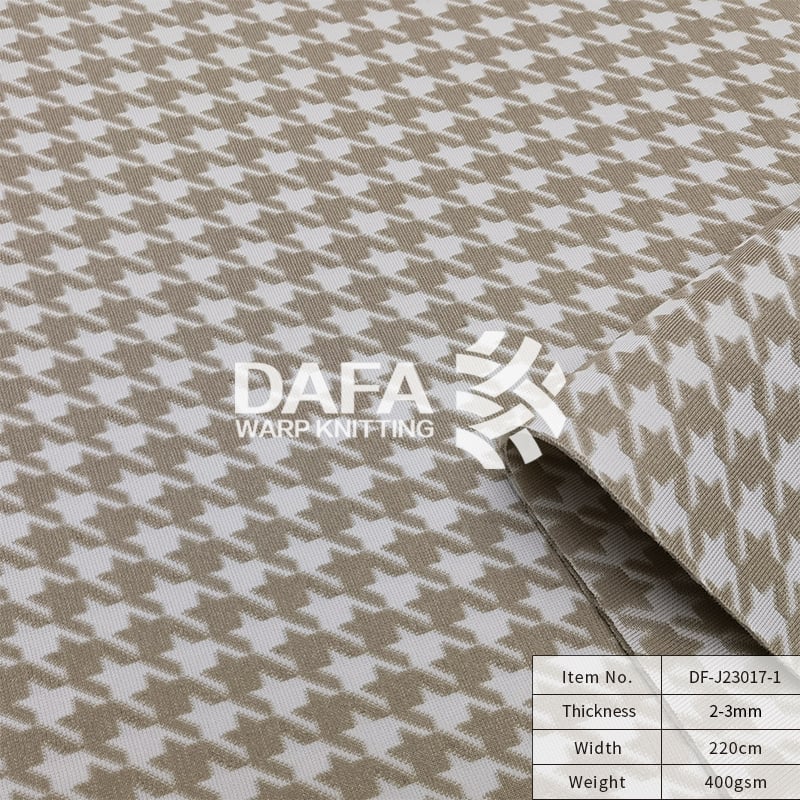
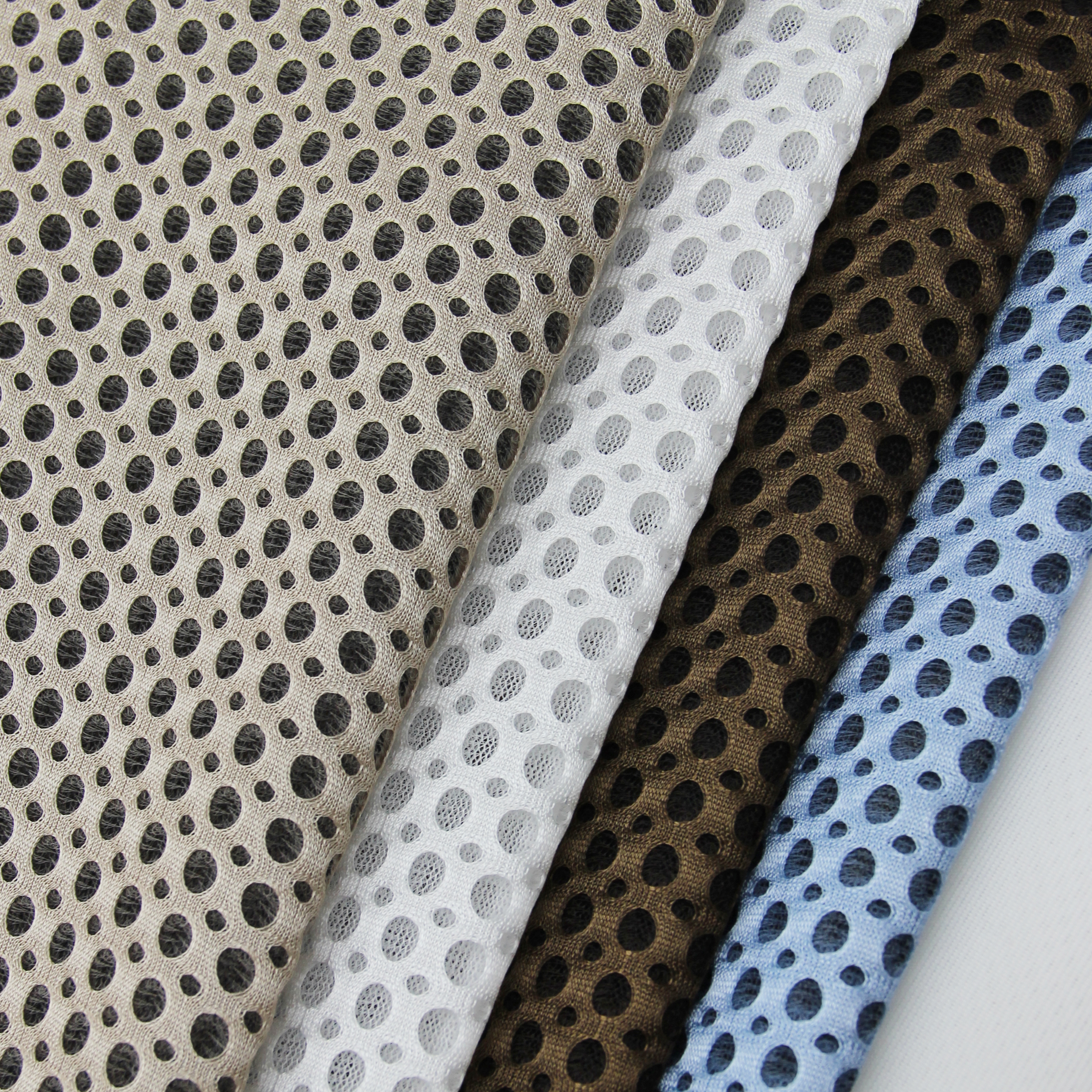
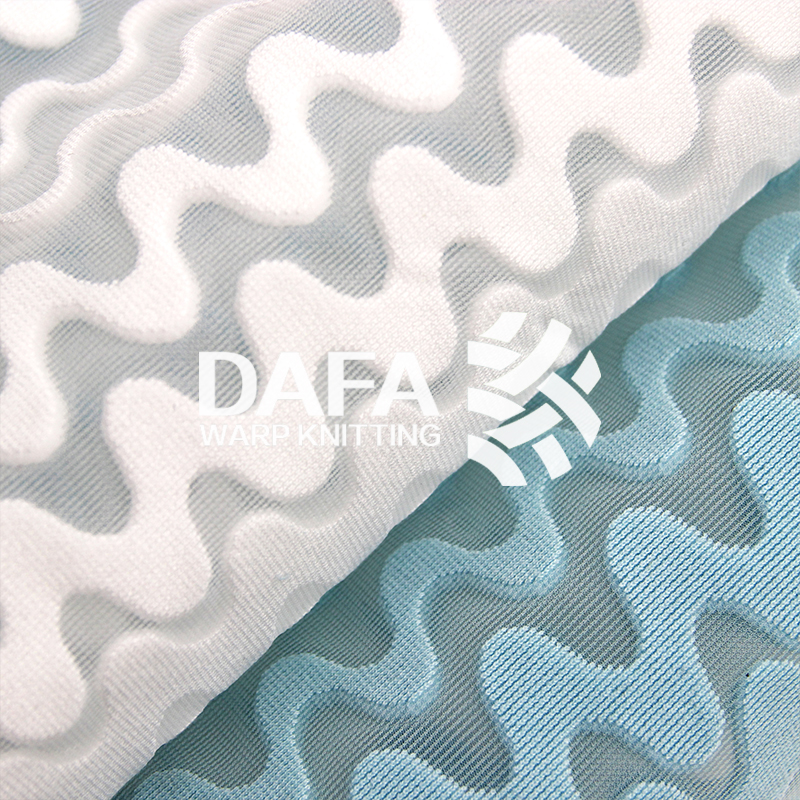
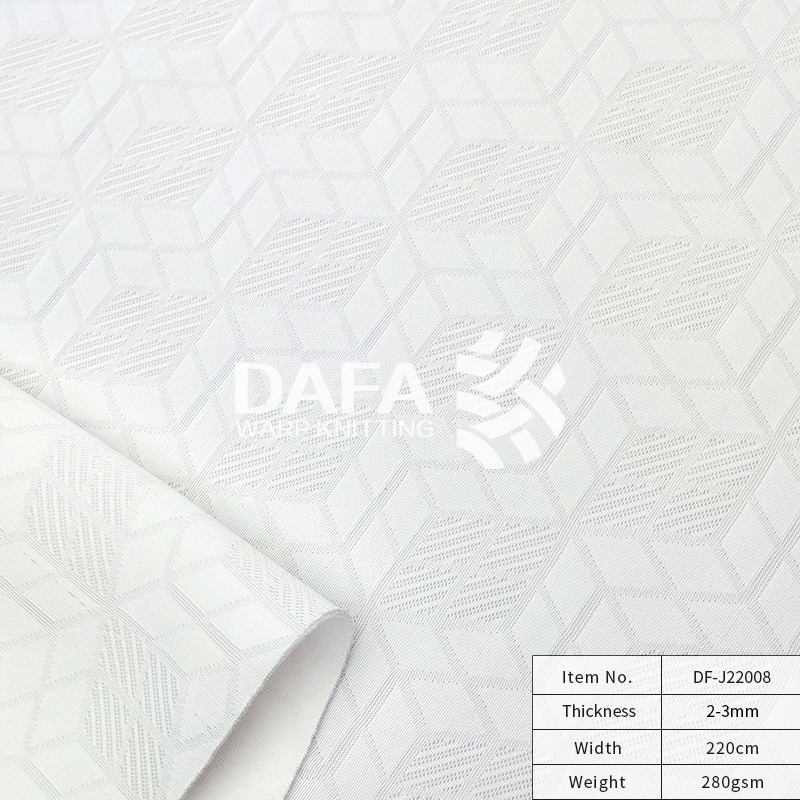
3d fabric material
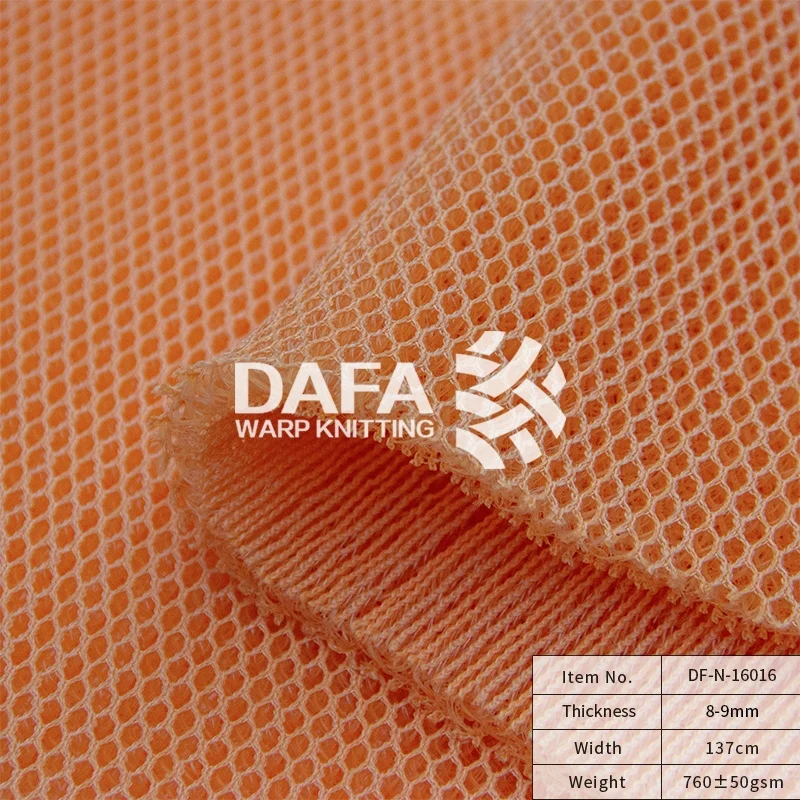
3D fabric material represents an innovative advancement in textile engineering, designed to create multi-layered structures that enhance durability and performance. Unlike traditional flat fabrics, 3D fabric material features interconnected fibers extending vertically and horizontally, creating a three-dimensional matrix. This unique construction allows 3D fabric material to distribute pressure evenly across its surface, making it exceptionally strong yet lightweight.
The primary function of 3D fabric material is to provide superior structural integrity while maintaining breathability and flexibility. The technological features of 3D fabric material include advanced knitting or weaving techniques that form air channels throughout the material, enabling moisture vapor transmission and thermal regulation. These channels within 3D fabric material also reduce weight without compromising strength, making it ideal for applications requiring durability.
3D fabric material finds extensive applications across multiple industries. In automotive manufacturing, 3D fabric material is used for interior components, seat cushioning, and padding systems. The aerospace sector leverages 3D fabric material for lightweight composite reinforcement and structural components. In fashion and apparel, 3D fabric material creates ergonomic clothing with enhanced comfort. Medical applications benefit from 3D fabric material in wound dressings and orthopedic supports. Sports equipment manufacturers incorporate 3D fabric material into protective gear and performance apparel. The construction industry utilizes 3D fabric material for insulation and reinforcement purposes, while furniture manufacturers use it for upholstery and structural support systems.



 EN
EN