3d woven fabric
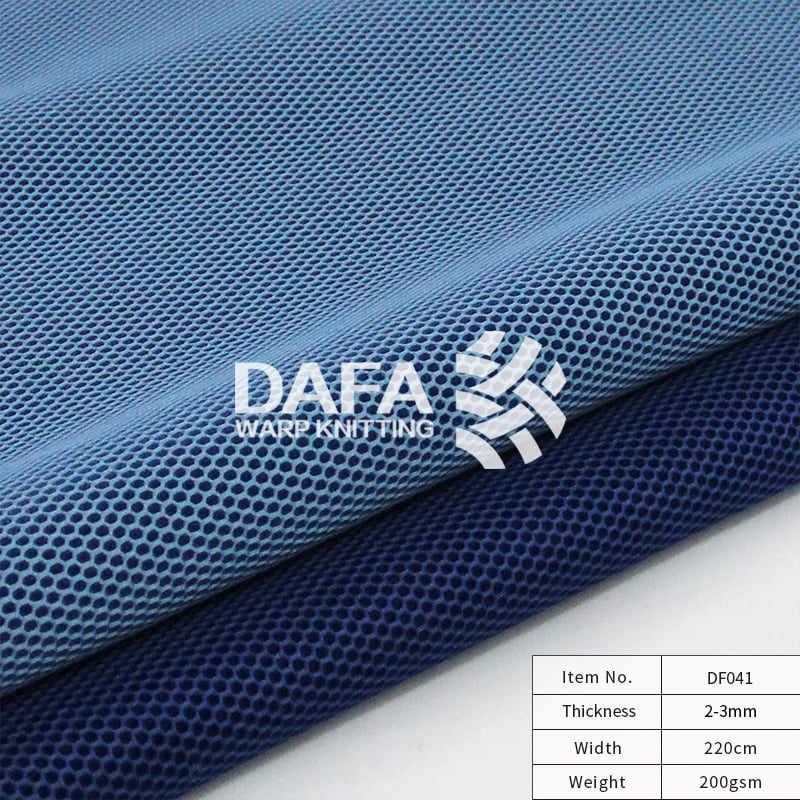
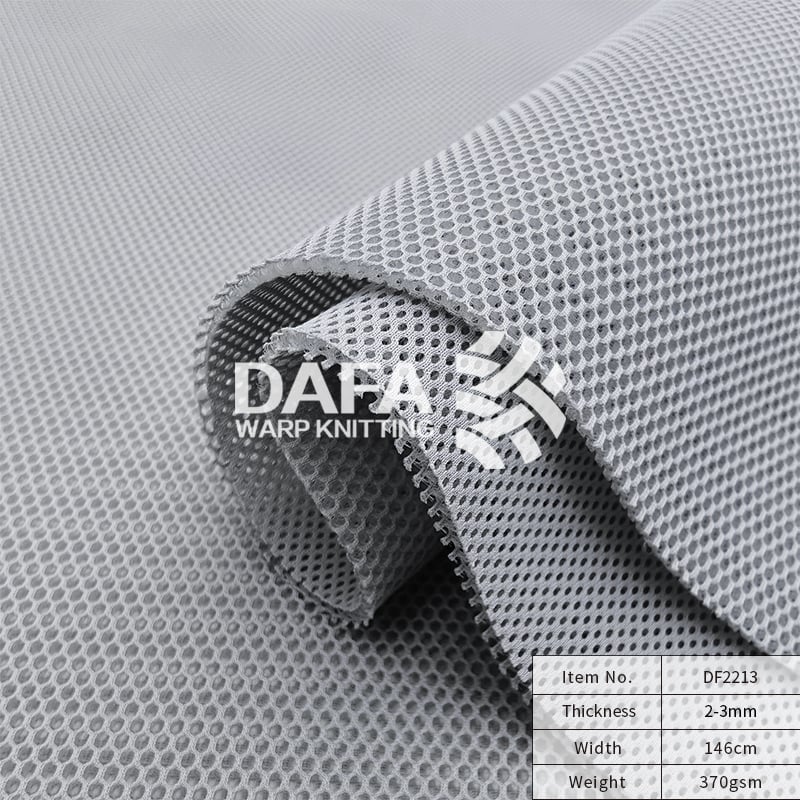
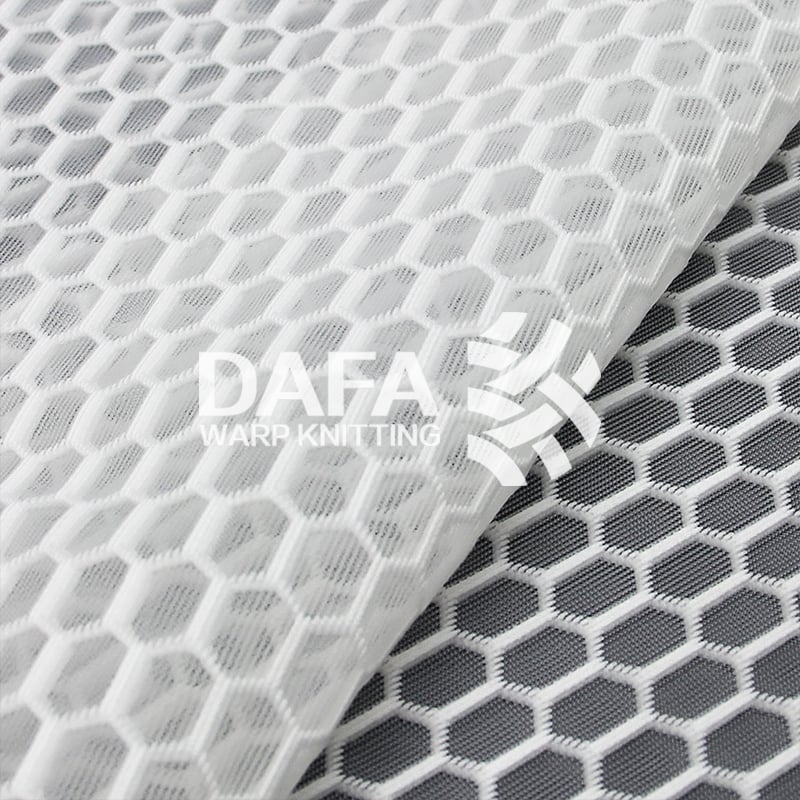
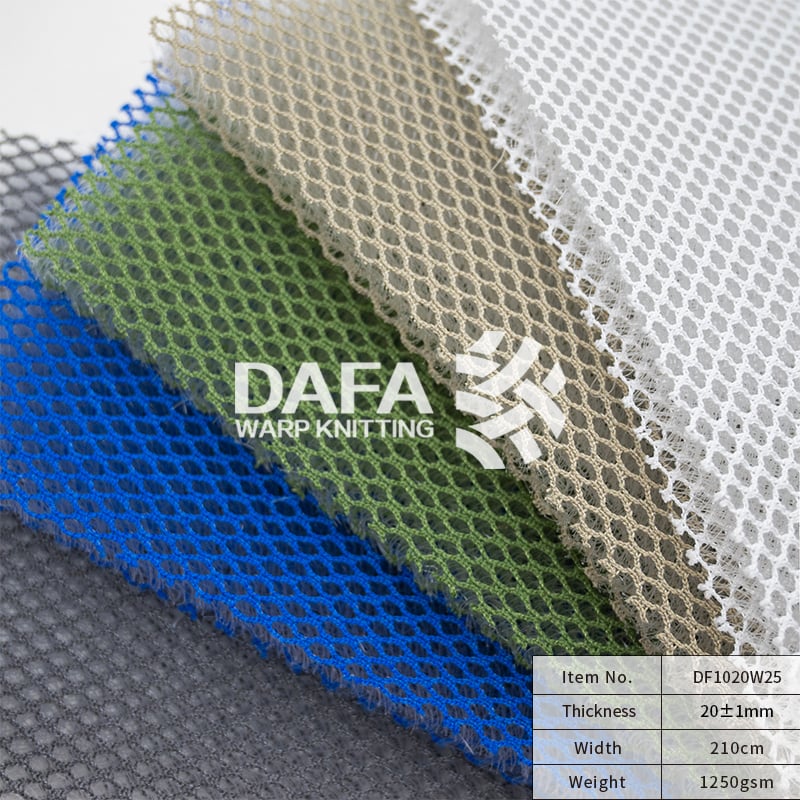
3D woven fabric represents a revolutionary advancement in textile engineering, designed to meet the demanding requirements of modern industrial applications. Unlike traditional two-dimensional weaving methods, 3D woven fabric incorporates multiple layers of yarn interlocked in three dimensions, creating a unified composite structure with exceptional strength and durability.
The primary function of 3D woven fabric is to provide superior structural integrity while maintaining lightweight characteristics. This innovative material excels in applications requiring both flexibility and robustness. The technological features of 3D woven fabric include precisely controlled yarn orientation, multi-directional reinforcement, and enhanced inter-layer bonding that prevents delamination common in conventional fabrics.
Manufacturing 3D woven fabric involves advanced loom technology that simultaneously weaves yarns through multiple vertical and horizontal planes. This process creates a homogeneous material where fibers are distributed throughout the entire thickness, eliminating the weak points found in layered composites. The result is a 3D woven fabric with improved impact resistance, tear strength, and dimensional stability.
Applications for 3D woven fabric span aerospace, automotive, marine, and sporting goods industries. In aerospace, 3D woven fabric serves as reinforcement in fuselage sections and wing components. Automotive manufacturers utilize 3D woven fabric for crash-resistant body panels and structural supports. Marine vessels benefit from 3D woven fabric's resistance to moisture and environmental degradation. Sports equipment manufacturers incorporate 3D woven fabric into protective gear and performance-enhancing components, demonstrating the material's versatility and reliability across diverse sectors demanding premium performance standards.



 EN
EN