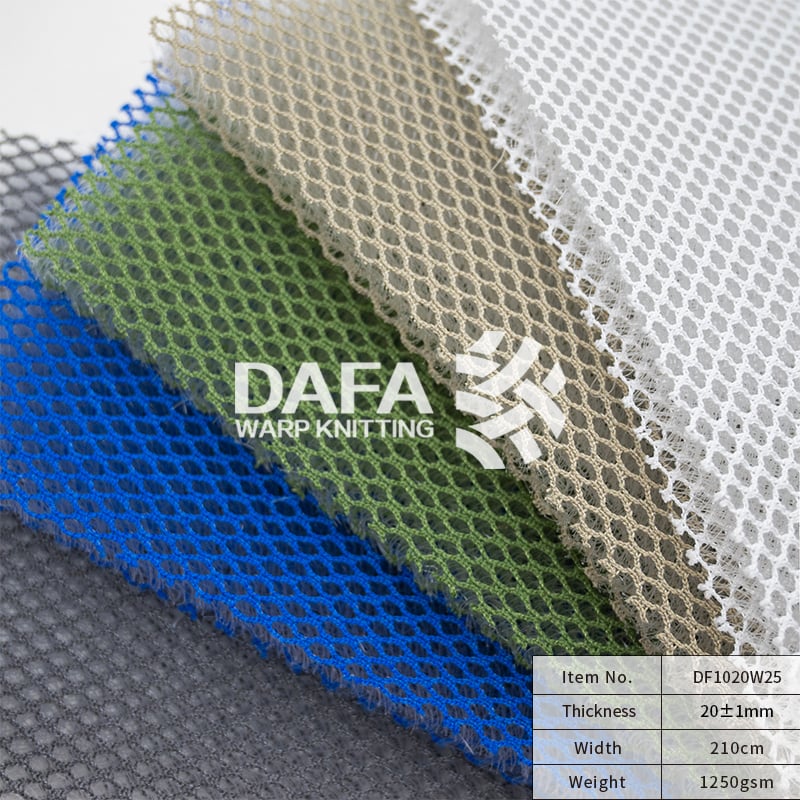
3D Woven Fabric: Advanced Composite Materials

All Categories

3d woven fabric

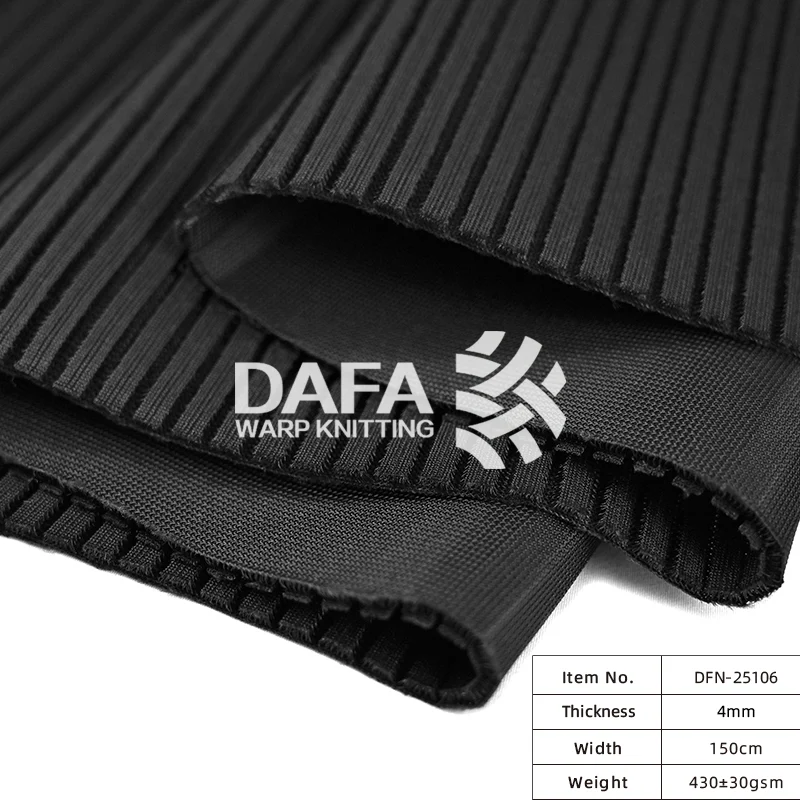
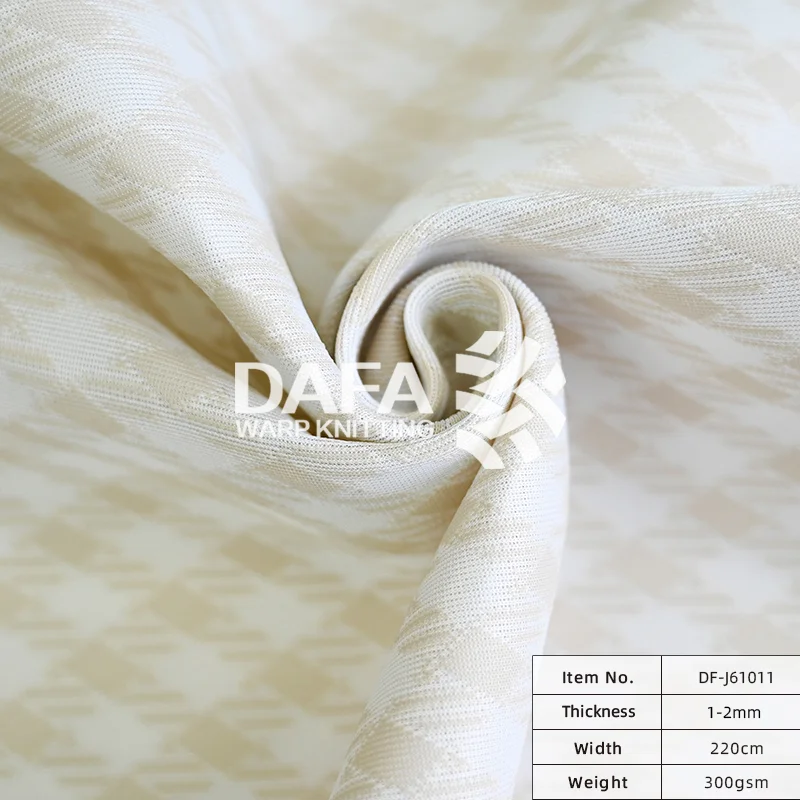
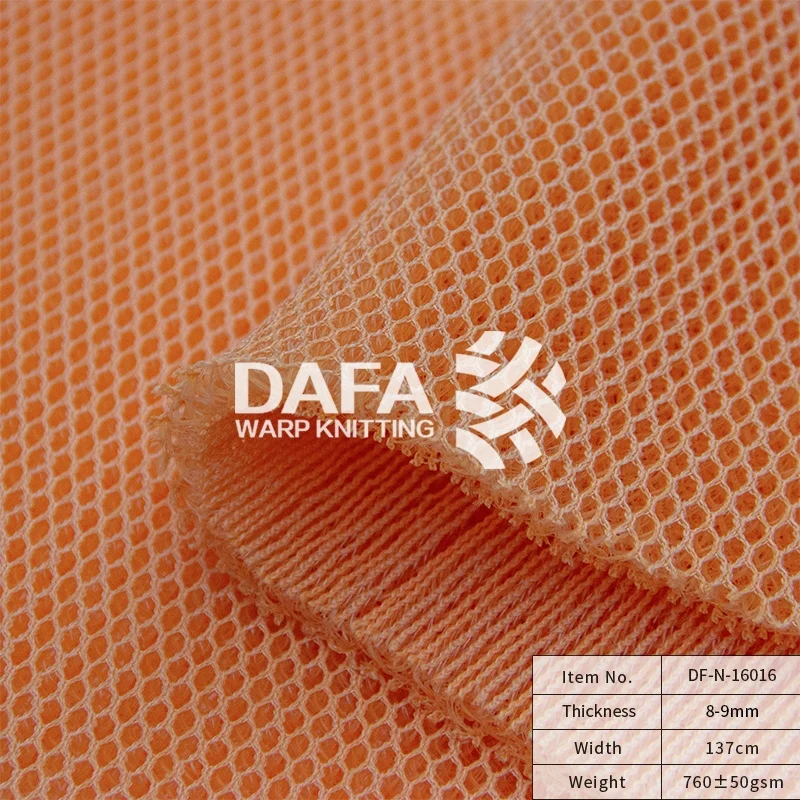
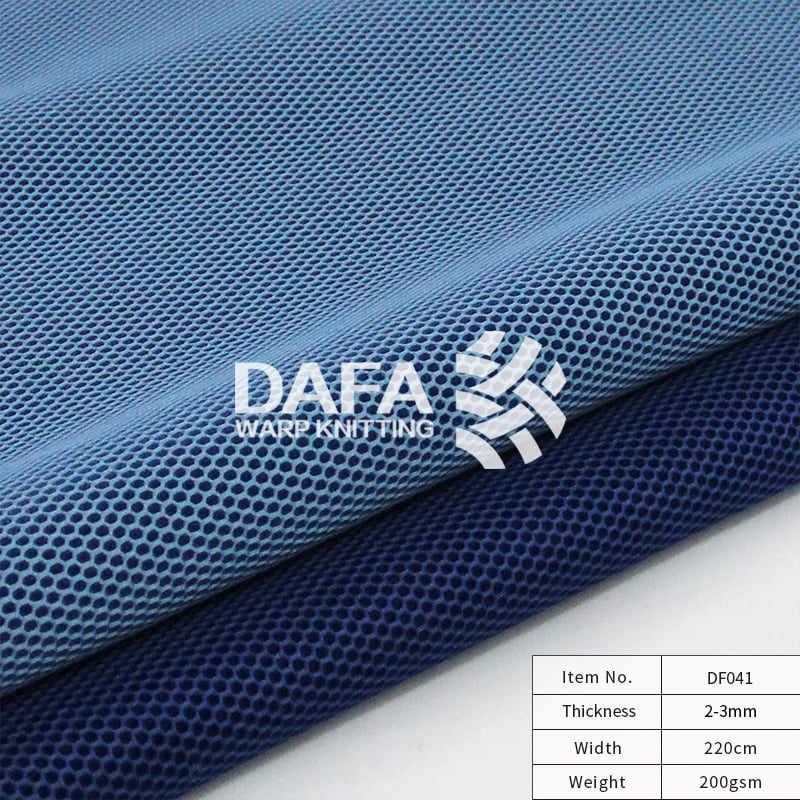
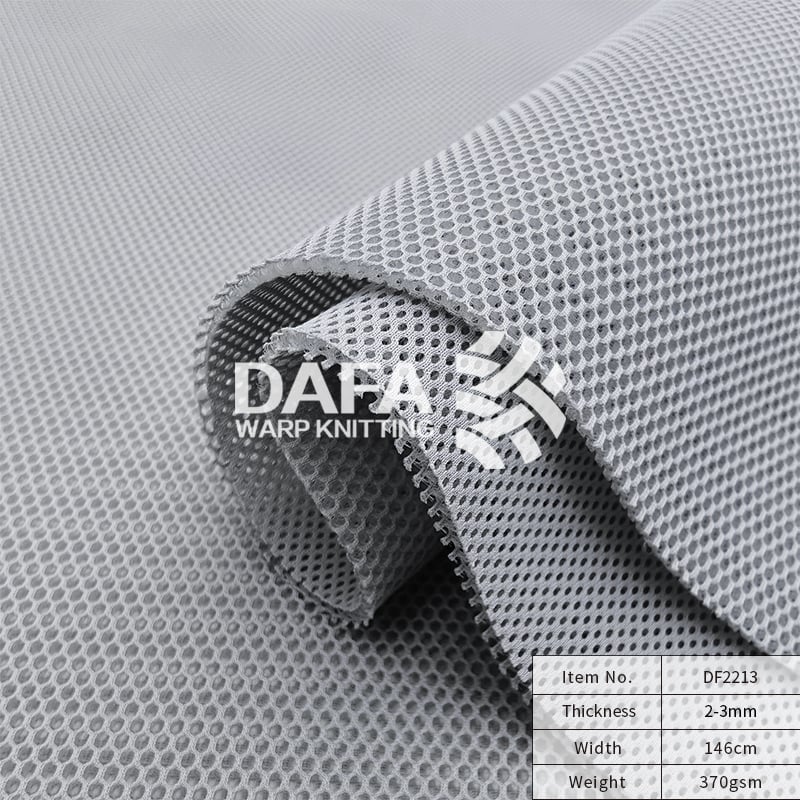
3D woven fabric represents a revolutionary advancement in textile engineering, designed to meet the demanding requirements of modern industrial applications. Unlike traditional two-dimensional weaving methods, 3D woven fabric incorporates multiple layers of yarn interlocked in three dimensions, creating a unified composite structure with exceptional strength and durability. The primary function of 3D woven fabric is to provide superior structural integrity while maintaining lightweight characteristics. This innovative material excels in applications requiring both flexibility and robustness. The technological features of 3D woven fabric include precisely controlled yarn orientation, multi-directional reinforcement, and enhanced inter-layer bonding that prevents delamination common in conventional fabrics. Manufacturing 3D woven fabric involves advanced loom technology that simultaneously weaves yarns through multiple vertical and horizontal planes. This process creates a homogeneous material where fibers are distributed throughout the entire thickness, eliminating the weak points found in layered composites. The result is a 3D woven fabric with improved impact resistance, tear strength, and dimensional stability. Applications for 3D woven fabric span aerospace, automotive, marine, and sporting goods industries. In aerospace, 3D woven fabric serves as reinforcement in fuselage sections and wing components. Automotive manufacturers utilize 3D woven fabric for crash-resistant body panels and structural supports. Marine vessels benefit from 3D woven fabric's resistance to moisture and environmental degradation. Sports equipment manufacturers incorporate 3D woven fabric into protective gear and performance-enhancing components, demonstrating the material's versatility and reliability across diverse sectors demanding premium performance standards.
New Product Recommendations

3D woven fabric delivers compelling advantages that directly address the practical needs of manufacturers and end-users seeking superior material performance. The most significant benefit is enhanced structural strength achieved without proportional weight increase, making 3D woven fabric an ideal choice for weight-conscious industries like aerospace and automotive manufacturing. Operational benefits of 3D woven fabric include improved durability and extended product lifespan. Unlike conventional textiles that suffer from layer separation, 3D woven fabric maintains integrity under extreme stress, reducing maintenance requirements and replacement frequency. This translates to substantial cost savings over product lifecycles and improved operational efficiency for businesses relying on consistent performance. For manufacturers, 3D woven fabric offers application suitability across high-performance domains. The material's resistance to impact, penetration, and environmental degradation makes it suitable for safety-critical applications where reliability cannot be compromised. Companies can confidently specify 3D woven fabric in demanding environments without concerns about premature failure or performance degradation. From a decision-making perspective, 3D woven fabric provides clear value justification. Although initial material costs may be higher than conventional fabrics, the superior performance characteristics, reduced waste during manufacturing, and extended service life create favorable total cost of ownership calculations. Engineers and procurement specialists benefit from 3D woven fabric's predictable behavior, simplified quality control, and compatibility with modern composite processing techniques. The material's versatility enables standardization across multiple product lines, streamlining supply chain management and reducing inventory complexity. Organizations adopting 3D woven fabric gain competitive advantages through enhanced product performance, improved sustainability profiles, and reduced environmental impact from decreased material waste and extended product lifecycles.

Tips And Tricks

Changshu Dafa Warp Knitting Successfully Showcases Breathable Baby Products at CBME 2026

10

Sep

Changshu Dafa Warp Knitting Successfully Showcases Breathable Baby Products at CBME 2026

View More
Changshu Dafa Warp Knitting to Showcase 3D Spacer Air Mesh Baby Sleep Collection at Kind + Jugend 2026

28

Sep

Changshu Dafa Warp Knitting to Showcase 3D Spacer Air Mesh Baby Sleep Collection at Kind + Jugend 2026

View More
Changshu Dafa Warp Knitting to Showcase 3D Spacer Fabric Sleep Solutions at the 31st China International Furniture Expo

10

Sep

Changshu Dafa Warp Knitting to Showcase 3D Spacer Fabric Sleep Solutions at the 31st China International Furniture Expo

View More

Get a Free Quote

Our representative will contact you soon.
Name
Company Name
Email
Mobile
Message
0/1000

3d woven fabric

Superior Strength-to-Weight Performance

Superior Strength-to-Weight Performance

3D woven fabric achieves remarkable strength characteristics while maintaining lightweight construction that exceeds performance capabilities of conventional textile materials. The three-dimensional fiber architecture distributes loads efficiently throughout the entire material volume rather than concentrating stress on surface layers alone. This innovative approach eliminates weak points inherent in traditional two-dimensional weaving, where delamination frequently occurs under stress. When compared to standard fabrics, 3D woven fabric delivers significantly higher tensile strength, flexural modulus, and impact resistance. Engineers and designers benefit from this performance advantage by creating lighter components without sacrificing structural integrity. Aircraft manufacturers utilize 3D woven fabric to reduce weight while maintaining critical safety margins, directly improving fuel efficiency and operational economics. The material's dimensional stability ensures consistent performance across temperature variations and environmental exposures, providing reliability in demanding applications where material failure carries severe consequences. For industries prioritizing performance optimization and weight reduction, 3D woven fabric represents an essential material choice that fundamentally transforms product design possibilities.
Outstanding Durability and Longevity

Outstanding Durability and Longevity

3D woven fabric exhibits exceptional resistance to environmental degradation, mechanical wear, and chemical exposure, extending service life far beyond conventional textile alternatives. The integrated three-dimensional structure prevents the layer separation and micro-cracking that compromise traditional fabrics during extended use. Moisture resistance is inherently superior in 3D woven fabric due to reduced void spaces where water can accumulate and initiate degradation. Marine applications benefit substantially from this characteristic, where saltwater exposure rapidly destroys conventional materials. UV stability and temperature tolerance of 3D woven fabric exceed industry standards, enabling reliable performance in challenging outdoor environments. The material withstands repeated flex cycles, abrasion, and puncture attempts that would gradually degrade lesser fabrics, making 3D woven fabric ideal for protective gear and safety equipment. For manufacturers committed to producing durable products, 3D woven fabric eliminates premature failure risks and associated warranty claims. This durability advantage directly reduces total ownership costs and enhances customer satisfaction through reliable, long-lasting performance that justifies initial material investment.
Innovative Manufacturing Efficiency

Innovative Manufacturing Efficiency

Production of 3D woven fabric incorporates advanced loom technology that fundamentally improves manufacturing efficiency and consistency compared to traditional textile processes. The integrated weaving approach reduces material waste substantially, as fibers are precisely positioned without excess trimming or scrap generation inherent in conventional methods. Quality control becomes more straightforward with 3D woven fabric manufacturing, as the unified structure eliminates defects associated with adhesive bonding, layer misalignment, and incomplete consolidation found in composite layup processes. Processing time decreases significantly because 3D woven fabric arrives from the loom essentially production-ready, requiring minimal additional preparation before composite resin infusion or coating. Engineers appreciate the standardization and reproducibility of 3D woven fabric characteristics, enabling reliable design calculations and predictable product performance. Manufacturers reducing their environmental footprint benefit from decreased material waste and lower energy consumption during processing. The compatibility of 3D woven fabric with automated manufacturing systems facilitates rapid production scaling and cost reduction through improved efficiency. These manufacturing advantages combine to make 3D woven fabric an economically attractive choice for volume production applications.

Get a Free Quote

Our representative will contact you soon.
Name
Company Name
Email
Mobile
Message
0/1000